Best Festival Merchandise Guide 2026: Boost Sales and Engage Fans
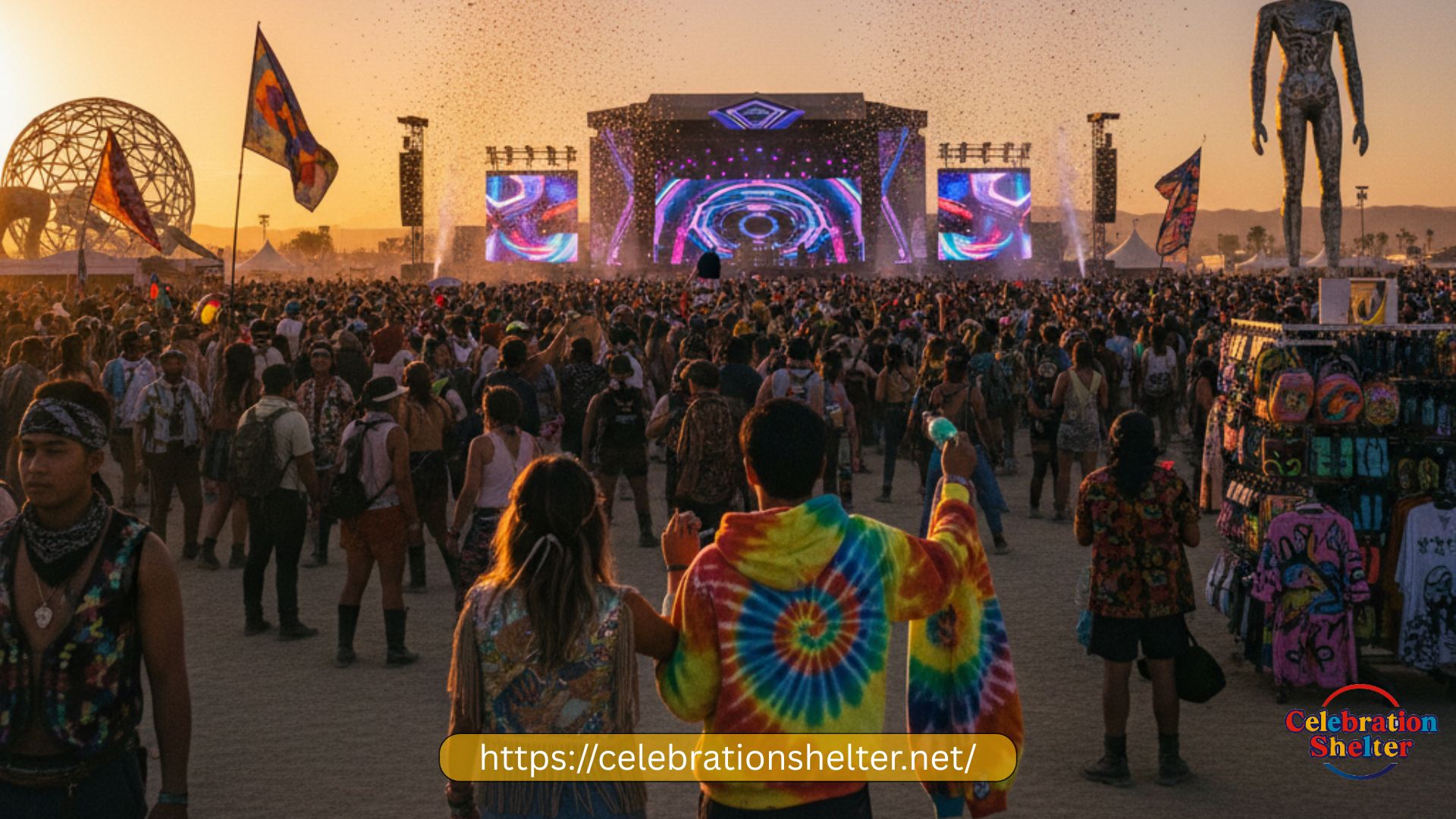
Music festival merchandise does far more than promote an event. It creates memories, builds loyalty, and drives consistent revenue that supports future growth.
Organizers, artists, and vendors who treat merchandise as a serious part of their strategy see stronger sales and deeper fan connections. From t-shirts to eco-friendly gear, every item has the potential to extend the festival experience beyond the gates.
This guide shares practical steps to design, market, and sell merchandise that fans value. With the right approach, you can boost profits while giving attendees something they will carry long after the music ends.
Creating the Perfect Festival Merchandise Setup
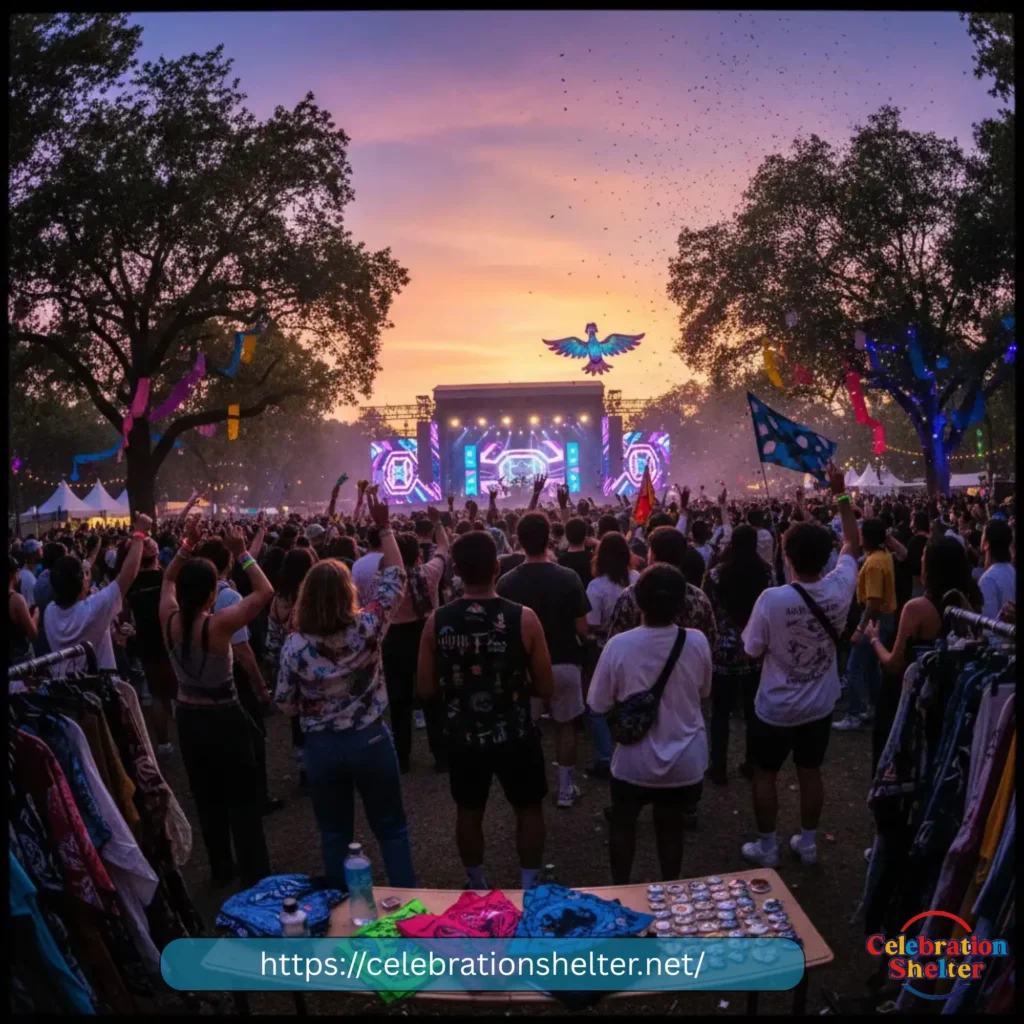
A strong merchandise program begins with setup. The placement of your booth and the way it looks can decide how many sales you make. Positioning near main entrances, food areas, or popular stages keeps your booth in front of the largest crowds. Convenience matters because attendees are less likely to walk far out of their way for shopping.
The design of your booth should reflect the energy of the festival. Clean branding, clear signage, and bold displays attract attention. Grid walls, mannequins, and lit showcases can highlight special items. Create a section for limited editions or exclusives. Scarcity encourages fans to buy right away rather than waiting.
Payment options should never be an obstacle. A reliable point-of-sale system that supports cards, mobile wallets, and contactless transactions reduces wait times. Faster lines mean more buyers, especially during peak hours when attendees want to get back to the music quickly.
Merchandise Production and Sourcing
Behind the scenes, production and sourcing decide the quality and availability of what you sell. Some festivals choose in-house production for full control of branding and design. Others work with suppliers to reduce costs and scale faster. Both approaches can succeed if managed well.
When outsourcing, select partners who deliver consistent quality on time. Late or poor shipments can hurt sales and damage reputation. Build long-term relationships with suppliers who understand event deadlines. Negotiating fair pricing while keeping standards high allows you to maintain healthy profit margins.
Researching your audience is key to production planning. If your fans prefer bold graphic t-shirts or eco-friendly hoodies, you should reflect that in the designs you order. Monitor external factors like supply chain delays or rising material costs. Being flexible with backup options keeps your merchandise flow steady.
Modern tools such as inventory software or product lifecycle systems can help. They track items from design through delivery and keep stock levels visible in real time. That level of organization prevents sellouts of popular products and reduces waste from unsold inventory.
Curating the Perfect Festival Merchandise Collection
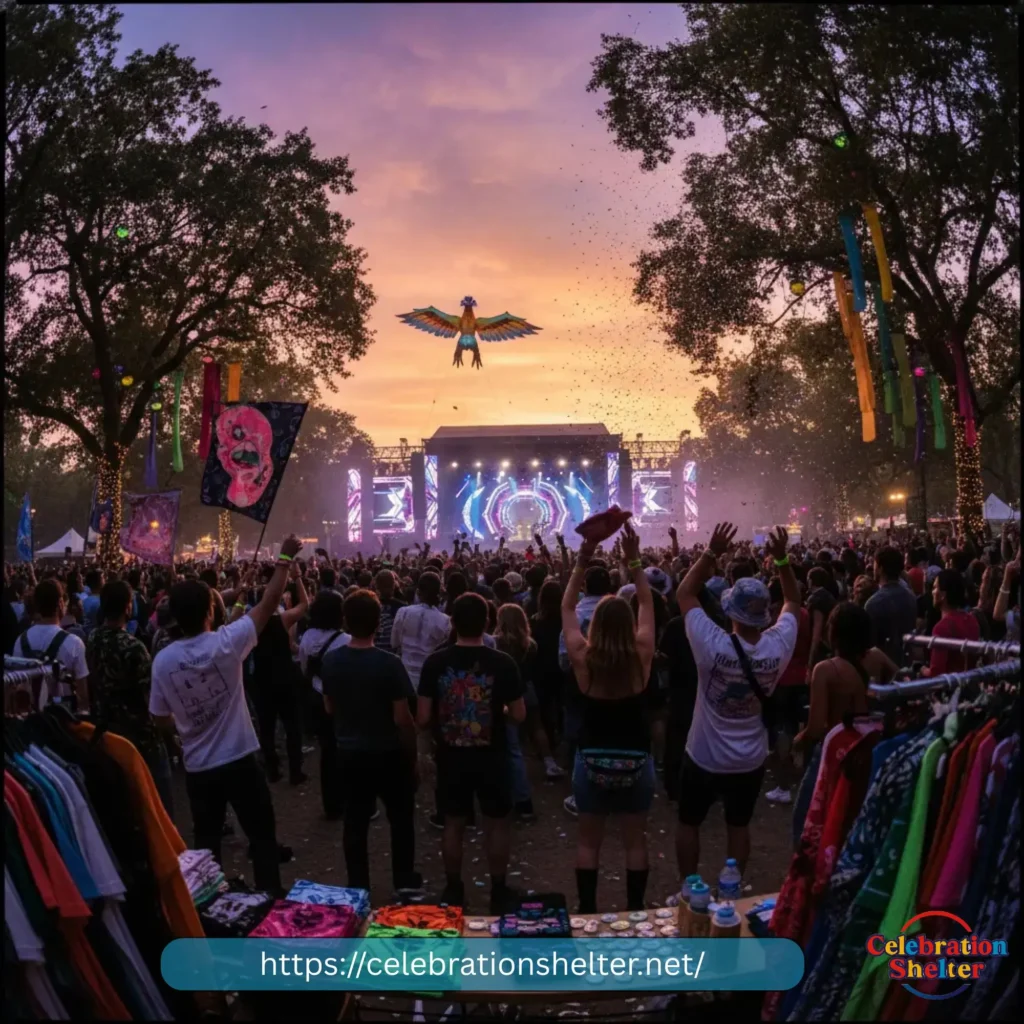
The right product mix turns a booth into a magnet for fans. Apparel remains the best-selling category at festivals. Comfortable t-shirts, hoodies, and hats give attendees something to wear during the event and after. Use creative graphics tied to performers or the festival brand to make them stand out. Offering a wide size range ensures no fan leaves disappointed.
Beyond clothing, functional items strengthen sales. Portable chargers, refillable water bottles, ponchos, and sun hats add convenience during long festival days. Each item can carry the festival’s logo, turning practical gear into brand exposure.
Eco-friendly merchandise resonates with more fans each year. Organic cotton shirts, reusable cups, or recycled material accessories show responsibility toward the environment. These products not only attract conscious buyers but also enhance the festival’s reputation.
Limited runs or collaborations spark urgency. For example, a shirt tied to a headline act or a design only available for one night will often sell out quickly. Fans love owning something special that not everyone else can get.
Effective Merchandise Search Marketing Strategies
Promotion should start long before the gates open. A preview campaign builds excitement and ensures fans arrive ready to buy. Social media posts showing sneak peeks of new designs, email newsletters announcing bundles, and product pages on the festival site all drive early attention.
Online shopping plays a growing role in merchandise sales. A smooth website experience is vital. Clear product descriptions, strong images, and simple checkout flows keep fans engaged. Avoid broken links or error pages, as they can discourage customers from purchasing. A working search function on the site makes it easy for fans to find exactly what they want.
During the event, social media keeps momentum high. Encourage attendees to share their purchases with a branded hashtag. Offer small incentives such as discount codes or contest entries to boost participation. Partnering with artists to wear or showcase merchandise online spreads visibility across their audiences as well.
Creating urgency through promotions increases on-site sales. Limited-time discounts or bundle deals during specific hours encourage quick action. For example, offering a free tote with the purchase of two shirts during a headliner’s set can push sales in bursts.
Maximizing Sales During the Festival
The live event environment brings unique chances to increase revenue. Staff should not only handle transactions but also act as friendly ambassadors. Training them to answer product questions or suggest popular items adds value to the shopping experience.
Rotating displays or highlighting daily specials can draw fans back to your booth more than once. If the event spans several days, refreshing layouts keeps merchandise feeling new and exciting.
Announcements during set changes or breaks are another smart tactic. A quick mention of limited merchandise availability can inspire spontaneous purchases from large audiences already gathered at the stage.
Coordination with inventory managers ensures the most in-demand products remain available. Running out of your best-seller too early can cut profits. Monitoring sales data in real time helps you restock booths efficiently.
Measuring Merchandise Success and Optimizing Sales
Tracking results helps you improve each event. Set clear goals such as revenue targets, average order value, or customer satisfaction scores. Comparing outcomes with these benchmarks shows where strategies work and where adjustments are needed.
Analyzing buyer behavior is especially useful. Look at which products sell first, what time of day sales peak, and which promotions perform best. These insights guide future planning and reduce wasted stock.
Data tools simplify this process. They can provide dashboards showing conversion rates, profit margins, and customer preferences. With this knowledge, organizers can make informed decisions instead of relying on guesswork.
Pricing strategy also shapes performance. Bundle discounts, seasonal offers, or loyalty perks keep demand steady. The key is balancing customer value with sustainable profit.
Improving the shopping experience is another path to growth. A simple website design, easy navigation, and reliable checkout build trust. Fans who enjoy the buying process are more likely to return for post-event sales.
Extending the Festival Merchandise Page Access Experience
Sales do not end when the music stops. A post-event store captures fans who could not buy during the festival or who want extras later. Offering exclusive collections tied to specific performances or moments adds appeal.
Email follow-ups with photos, stories, and product links keep fans engaged. Social media posts can highlight attendees wearing the merchandise, turning them into part of the festival’s story while encouraging others to buy.
Make sure the post-event store runs smoothly. Errors like missing product pages or broken checkout links can frustrate customers. A working search bar and clear categories improve navigation for both mobile and desktop users.
Post-event campaigns also help maintain community. Merchandise becomes a way for fans to relive memories and stay connected until the next festival. Building this ongoing relationship increases the chance of repeat purchases in future years.
Closing Thoughts
A festival’s merchandise strategy can transform casual interest into meaningful revenue and stronger fan loyalty. With careful setup, thoughtful production, targeted marketing, and consistent optimization, merchandise becomes more than a side offering. It becomes an extension of the event experience itself.
Frequently Asked Questions
What makes festival merchandise successful?
Successful festival merchandise combines quality, relevance, and strong design. Items should reflect the festival’s identity while also being useful or stylish enough for fans to use after the event.
What types of merchandise sell best at festivals?
Apparel like t-shirts, hoodies, and hats usually perform best. Practical items such as water bottles, chargers, and ponchos also sell well because they solve real needs during the event.
Where should I place a merchandise booth at a festival?
Place booths in high-traffic areas like entrances, near stages, or close to food zones. This increases visibility and encourages more impulse purchases.
How can I increase merchandise sales during a festival?
Use limited-time offers, bundle deals, and eye-catching displays. Friendly staff and fast payment options also help improve the buying experience and boost sales.
Why is inventory management important for festival merchandise?
Good inventory management prevents stockouts of popular items and reduces excess unsold products. It helps maintain steady sales throughout the event.
Should I offer eco-friendly festival merchandise?
Yes, eco-friendly products attract environmentally conscious buyers and improve your brand image. Items like reusable cups or organic clothing are popular choices.
How do I promote merchandise before the festival starts?
Use social media, email campaigns, and your website to show previews of products. Early promotion builds excitement and encourages fans to plan their purchases.
Can I sell merchandise after the festival ends?
Yes, a post-event online store helps capture additional sales. Many fans want to buy items later or replace something they missed during the event.
What payment methods should I accept at a merchandise booth?
Offer multiple options such as cards, mobile payments, and contactless methods. Faster checkout reduces lines and increases total sales.