Camping Festival Checklist: Must-Have Essentials for a Perfect Weekend
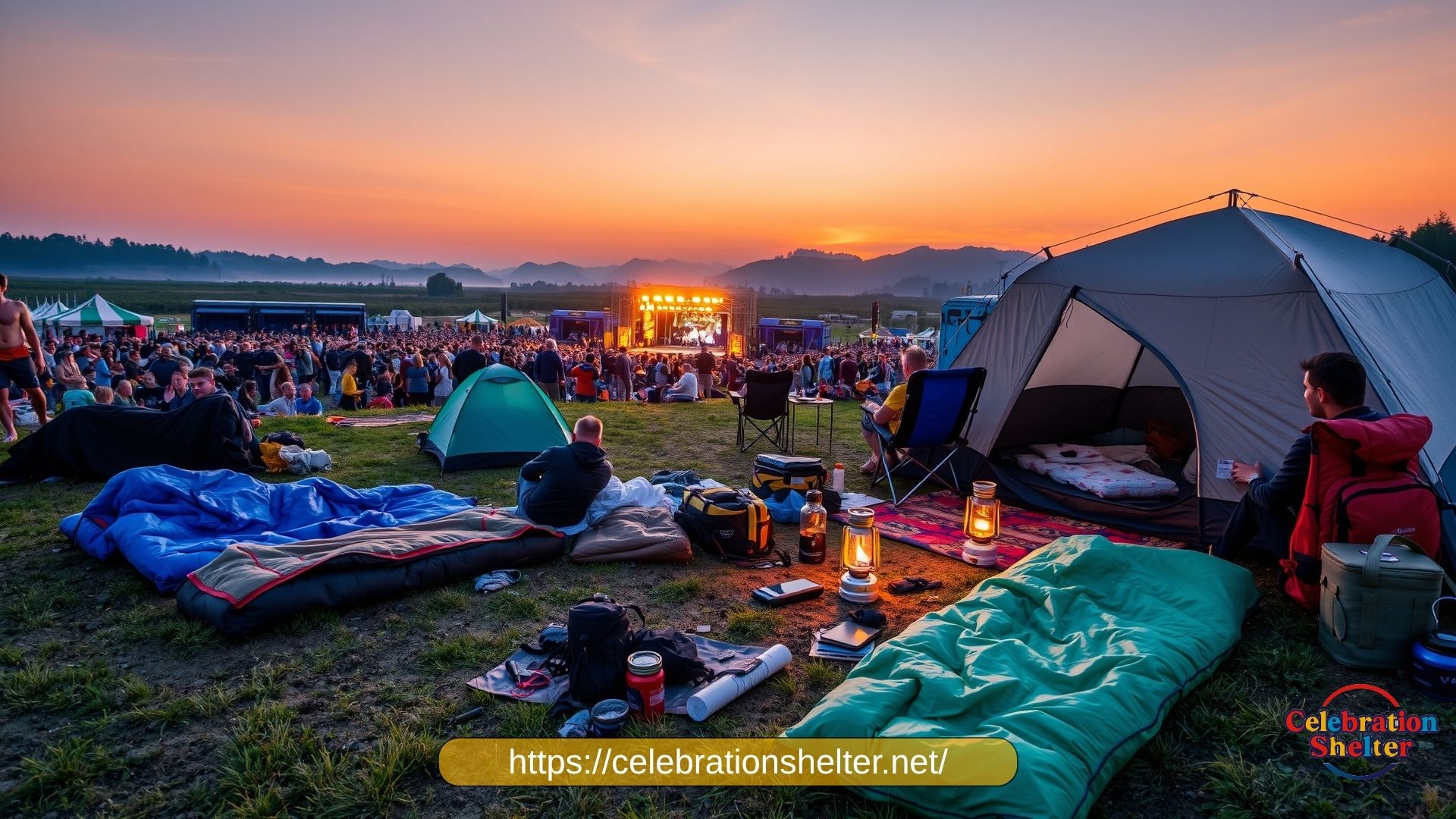
Camping festivals are an incredible adventure, but packing for them can get tricky. You don’t want to show up and realize you forgot something critical when you’re miles deep into a temporary wilderness city. A smart, comprehensive checklist keeps your weekend completely stress-free and full of good memories.
From proper sleeping setups to field-tested clothing layers and quick snacks, the right gear can make or break your trip. Implementing a structured music festival guide approach to your base camp organization ensures you spend less time solving logistical emergencies and more time enjoying the music. Whether you’re heading out with a large crew or diving into an independent journey with a solo music festival guide, packing with clear intention changes your entire experience.
Campsite Infrastructure, Sleep Setup & Utilities
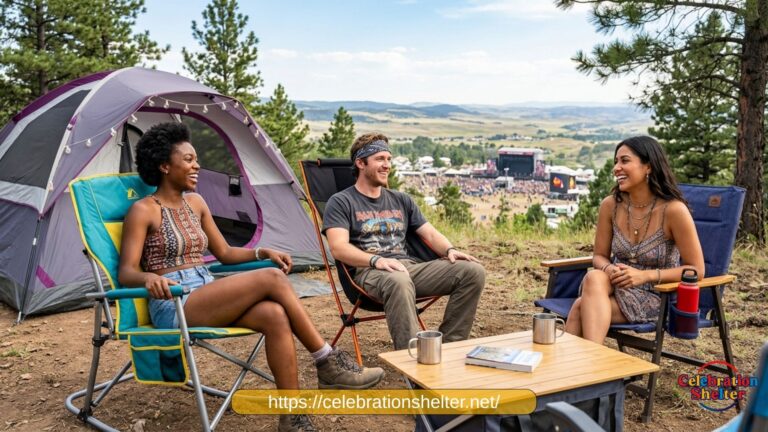
Erecting a comfortable, highly functional living footprint is the first step toward surviving a multi-day event. Your base camp functions as your sanctuary for biological recovery between high-exertion sets. If you want to dive deep into the specific advantages of setting up a temporary field home, check out these 10 reasons to camp at music festivals to see how it enhances the community spirit.
Sleep & Structural Setup
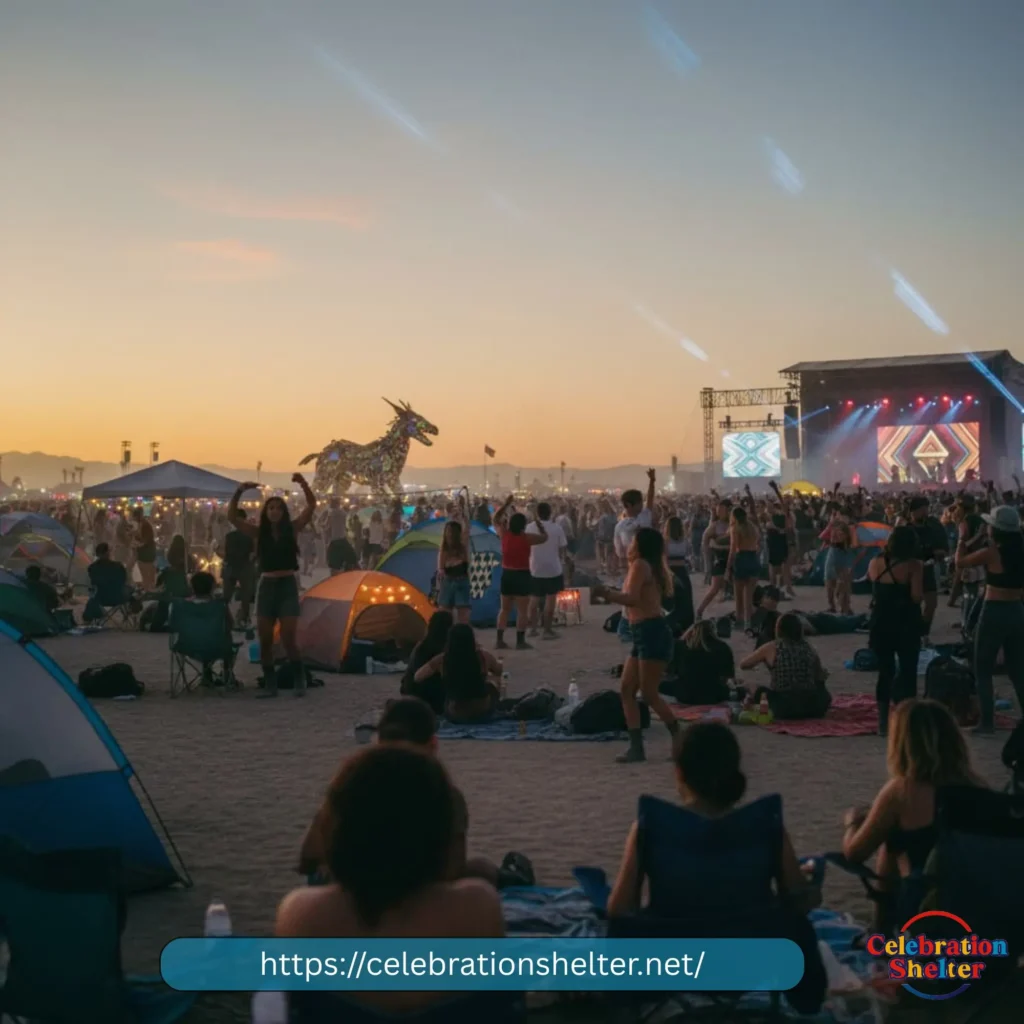
- Tent and Heavy Pegs: Bring a durable, double-walled, weatherproof tent. Ensure you pack extra steel ground stakes to resist sudden high-velocity wind gusts. To protect the tent floor from rising sub-surface moisture, deploy a thick tarp footprint underneath. To optimize your layout further, review our music festival camping setup guide for insider metrics.
- Air Mattress & Inflatable Pump: Sleeping directly on uneven, rocky topsoil drains your physical energy. Bring a supportive air mattress and verify it holds structural pressure before launching your transit. Pack a dedicated manual or high-capacity battery pump; do not assume neighbors will have compatible hardware.
- Premium Bedding: Real pillows, an insulated sleeping bag rated for local night drops, and a light linen sheet for hot afternoons are highly essential items.
Lighting & Maintenance Utilities
- LED Camping Lantern: High-efficiency battery lanterns or solar string lights keep your space safely lit after dark. Hanging a light source eliminates blind spots and keeps your gear fully visible.
- Repair & Security Hardware: Pack a small roll of heavy-duty duct tape, a pack of zip ties, a compact pair of utility scissors, and extra heavy trash bags. These simple assets allow you to patch a torn rainfly, fix broken backpack straps, secure shading tarps, and execute proper Leave No Trace cleanups to avoid local fines.
- Yoga Mat or Ground Blanket: Perfect for participating in early morning mindfulness workshops, sound healings, or stretching out on the turf during downtime
The Definitive Festival Clothing Checklist
Festival apparel requires balancing personal subculture style with strict multi-tier climate protection. Daytime solar indices can drop rapidly toward chilled evening conditions across open fields. If you are preparing an absolute gear framework for a specific late-season mountain gathering, verify your clothing layers using the Bear Creek Music Festival survival guide to isolate cold-weather strategies.
Before packing your wardrobe capsules, cross-reference your structural fashion styles using the comprehensive music festival outfit guide to ensure your choices balance elite visual expression with functional, long-distance dancing comfort.
Field Carry Accessories & Secure Necessities
When you leave your campsite to enter the main performance arenas for consecutive hours, your on-person bag configuration must be secure, lightweight, and easy to carry.
- Hydration Pack or Theft-Proof Backpack: Secure a low-volume pack with inverted or hidden zippers to block pickpocket vectors. Ensure the interior fluid bladder arrives fully empty at the main gates to clear primary security processing lines.
- Fanny Packs or Crossbody Bum Bags: Keep your high-value communication electronics, data cards, and official identification documentation resting close to your chest wall.
- Core Essentials: Double-check your wallet matrix for physical ID cards, electronic ticket barcodes, a compact folding umbrella for surprise showers, and a personal hand fan for hot tents. Always carry a small pool of backup physical cash notes in case local network transceivers go offline, causing wireless card terminals to fail.
- Cliped Gear Utilities: Keep a lightweight camping cup and a reusable water bottle clipped directly to your shoulder straps using durable aluminum carabiners.
Toiletries, Hygiene & Health Maintenance
Maintaining continuous personal hygiene inside a high-density, shared outdoor playground protects your immune system and keeps your energy levels high.
Daily Sanitation Assets
Organize your daily cleansing products inside a practical, vertical hanging toiletry bag to keep items off muddy public restroom floors. Pack a high-capacity dry shampoo spray to refresh your hair without access to running water. Bring a supply of biodegradable flushable wet wipes, travel-size hand sanitizers, and independent rolls of toilet paper since public sanitation units regularly run out of stock during peak evening intervals.
Dermal Protection & Wellness
- Sun & Insect Shields: Apply high-SPF broad-spectrum sunscreen cream every morning and reapply consistently before headlining sets. Keep a localized bug barrier spray on hand to repel regional forest insects after dusk.
- Lip & Skin Salves: Pack a hydrating lip balm or moisturizing chapstick to combat wind cracks and dry dust exposure.
- Hearing Protection: Secure a pair of specialized acoustic earplugs to shield your eardrums from intense, long-duration low-frequency sound waves without flattening the fidelity of the performance. Check out our evaluation of the best concert hearing protection earplugs to protect your hearing safely.
- Medical First-Aid Kit: Stock a compact travel pouch with multi-size adhesive bandages, antiseptic cleansing wipes, allergy blocks, personal daily medications, and simple over-the-counter pain relievers.
Electronics, Power & Off-Grid Connectivity
Preserving your hardware connectivity keeps your travel cohort perfectly synchronized, allows for rapid camera capture loops, and secures communication during emergencies.
- High-Capacity Power Banks: Pack at least two external lithium-ion power banks along with heavy-duty replacement cords. Do not rely on shared public charging stations, which consistently present massive passenger bottlenecks.
- Solar Battery Chargers: Clip an advanced solar capture panel directly to your backpack frame during afternoon tracking schedules to gather renewable energy passively from the sun.
- Camp Entertainment: Bring a fully charged portable wireless Bluetooth speaker to keep a relaxing vibe at camp, ensuring you observe campground volume limits during late-night hours.
- Media Tracking: Secure a lightweight compact camera along with high-speed extra memory cards and spare batteries to capture the landscape without draining your mobile device’s primary battery.
Camping Comfort Upgrades
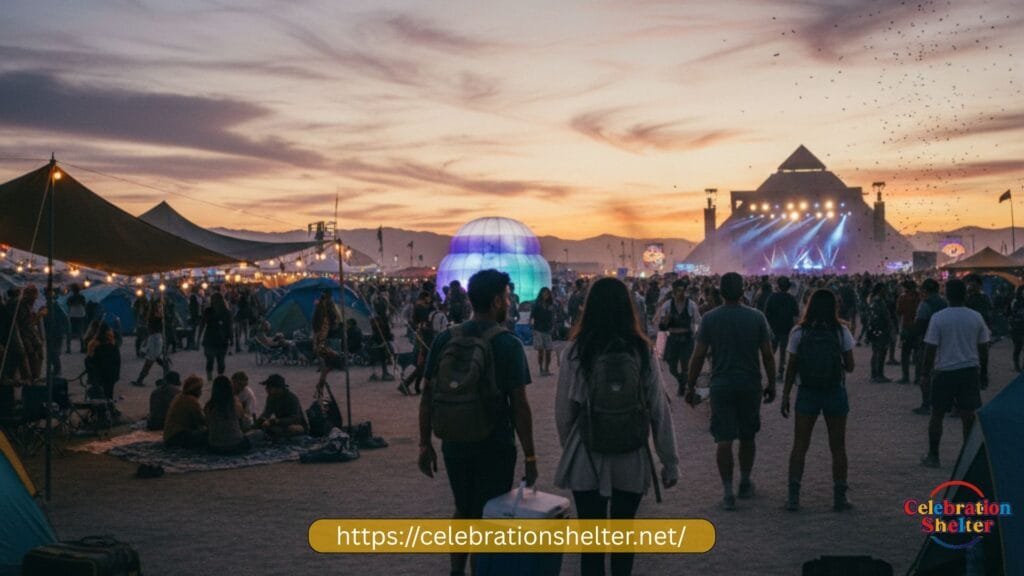
These non-essential additions help transform a basic, bare-bones campsite layout into an incredibly cozy, welcoming temporary lifestyle oasis:
- Misting Spray Bottles: Perfect for personal face cooling loops during stagnant afternoon heat waves.
- Personal Parasols: Handheld sunshades that block direct UV rays while standing in extensive gate lines.
- Essential Oil Aromatherapy: Lavender or peppermint extracts help relax muscle tissue or boost low energy metrics naturally.
- Group Totems or Doof Sticks: An elevated visual marker that helps your dancing crew locate their exact coordinates inside high-density crowds.
- Camping Hammock: Easily hung between structural forest elements to secure relaxing afternoon rest windows.
- Campsite Clotheslines: A length of utility string paired with simple wooden clothes pins to air out damp towels or sweaty performance layers.
Festival Culinary Logistics: Easy Field Nutrition
Planning simple, highly nutritious, and shelf-stable meal options helps you bypass premium vendor costs and avoid extensive field dining queues. If you need a comprehensive framework for planning easy campsite dishes, check the festival camping food guide to optimize your kitchen setup.
Shelf-Stable Snacks & Supplies
Pack plenty of high-protein squeeze packs, organic trail mixes, dense muesli bars, dried nuts, and caramel popcorn. These items supply instant metabolic energy, pack easily into small pockets, and will not melt under direct solar exposure. Stock up on canned beans, prepared soups, or tuna packets that can be consumed instantly without complex heating protocols. Bring reusable plates, washable cups, and a heavy-duty camping cutlery set stored inside a clean pouch to suppress physical waste production.
For Advanced Camp Chefs
If your chosen event permits the use of portable propane gas stoves, pack a compact single or two-burner stove system along with its corresponding fuel canisters. Review our analytical camping stove buying guide to verify safety specifications before cooking. Bring a small bottle of cooking oil, a durable plastic cutting board for chopping fresh ingredients, a travel kettle for morning coffee or tea, and a localized washing basin equipped with an eco-friendly biodegradable dish sponge and soap to keep your kitchen footprint clean.
Cross-Platform Security Integration
Ensuring proper technical coordination keeps your custom field operations fully aligned with global standard live infrastructure protocols. If out-of-town management or tracking teams choose to isolate auxiliary residential bases outside the immediate open campground borders, review local property insurance parameters before sharing an Airbnb node among active staff. If your targeted event geography directly borders regional rivers, coastal inlets, or high-humidity channels, evaluate your paths using the water music festival log to manage fluid tracking zones safely. Planners configure technical parameters at the start, using the correct event creation timeline options to secure all necessary ticketing and travel credentials smoothly.
Final Thought
Erecting a highly organized, field-tested campsite footprint depends entirely on packing with deep intention, structural discipline, and data-driven resource budgeting. Utilizing this comprehensive, master check-off manual guarantees that your temporary field home remains entirely safe, highly efficient, and deeply comfortable across all seasons.
FAQ
Can I survive a festival without camping gear?
It’s possible if you’re staying off-site or in a glamping area, but most camping festivals expect you to bring your own setup. Skipping gear means less comfort and more hassle.
How early should I start packing for a festival?
Start at least one week before the event. That gives you time to test gear, shop for missing items, and pack without last-minute panic.
What’s the most forgotten camping item?
People often forget chargers, duct tape, and earplugs. These seem small but are super useful once you’re there.
Do I need food if the festival has vendors?
Yes. Vendors can be pricey or have long lines. Snacks, water, and a few meals give you flexibility and save money.
Is a hydration pack better than a water bottle?
Yes, especially if you’re dancing or walking a lot. It’s hands-free and holds more water, so you don’t have to stop as often.