Festival Talent Booking Guide: How to Build the Right Lineup
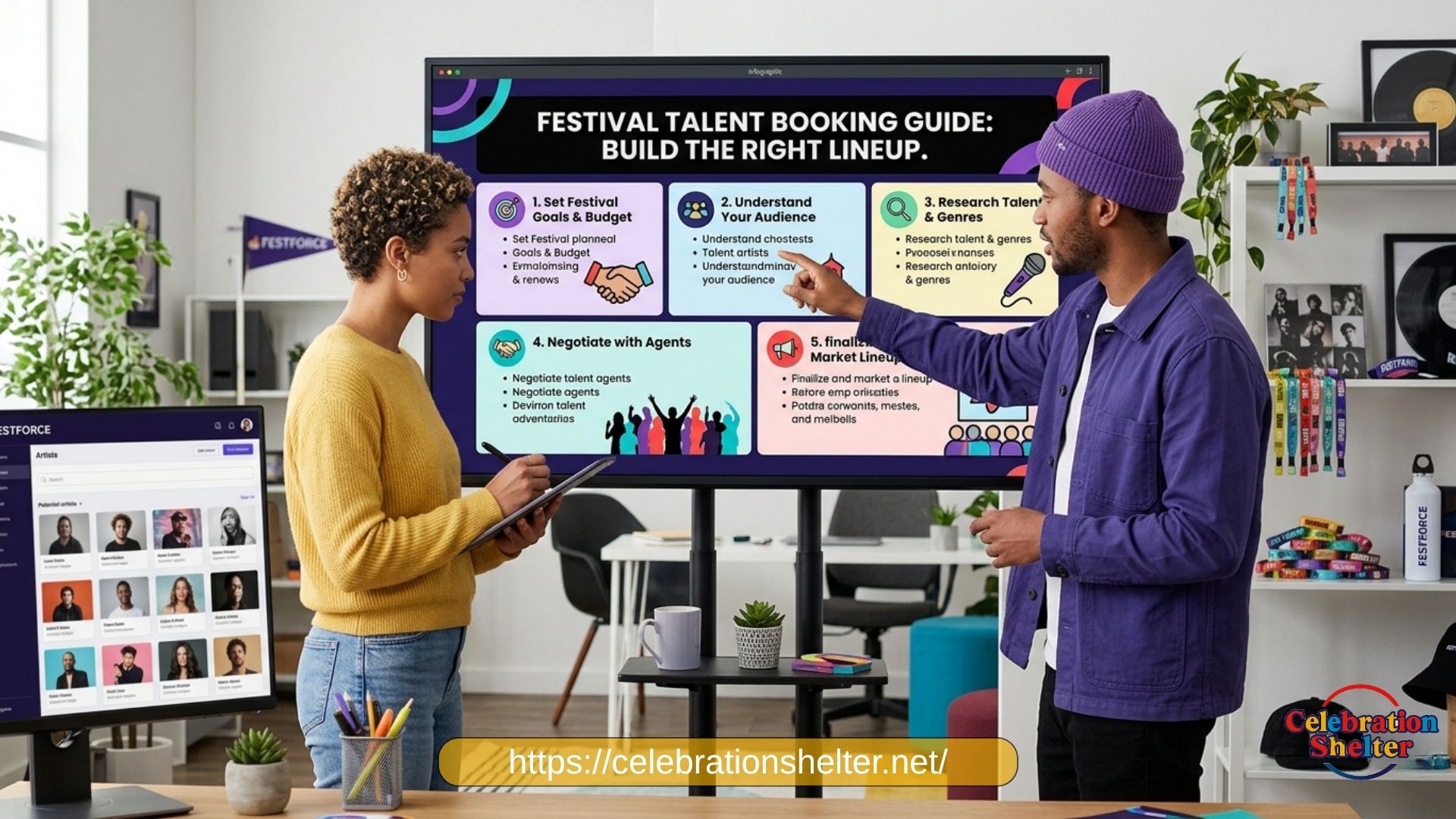
Securing the right talent can make or break an independent music festival. The performance lineup sets the baseline mood, draws the core ticket-buying crowd, and shapes the overall communal experience across the grounds. Booking acts is not just about scheduling music; it’s about crafting a lasting structural impression that builds an authentic digital brand.
Choosing performers that match your core vision and target audience builds massive engagement before the first note plays. Fans connect deeply with events that deliver a precise mix of world-class headliners, rising breakout stars, and local underground gems. That balance turns a standard field gathering into an unforgettable annual tradition. This guide breaks down how to book talent with absolute confidence. Each logistical step helps you curate a lineup that fits your financial and experiential goals perfectly.
Define Your Festival’s Vision and Audience
Identify Your Genre and Theme
Every successful festival begins with a clear architectural vision. Before reaching out to performer booking agents, decide precisely what type of event you want to host. Are you focusing on underground house music, independent rock, avant-garde hip hop, or a curated mix of styles? Your core theme should guide every operational choice. A clear genre focus not only shapes the lineup but also attracts matching sponsors and media partnerships. Without direction, your event risks becoming scattered, confusing, and forgettable.
Know Your Audience Demographics
Understanding your target market is just as critical as choosing the musical genre. Look closely at age groups, income levels, and current cultural trends in your region. A younger, college-aged crowd may lean heavily toward emerging social media acts, while a mature audience expects classic performers with high touring reliability. Knowing who you serve helps you predict ticket sales volumes, set smart prices, and tailor the experience to meet user expectations safely.
Create a Data-Driven Talent Wishlist
Once you isolate your theme and audience metrics, start building a structural wishlist. Write down dream headliners, mid-tier touring artists, and high-quality local acts that fit your concept. Prioritize them based on performance availability, price points, and active fan demand. A structured wishlist keeps your search focused and prevents wasted time negotiating with performers who don’t align with your brand trajectory.
Budgeting and Lineup Tiers: Headliners vs. Emerging Talent
Allocate Budget Across Lineup Tiers
Your financial budget is the backbone of the talent buying framework. Divide your capital clearly into separate tiers: top headliners, mid-tier support acts, and new emerging talent. A balanced allocation ensures you don’t overspend on a single marquee act while leaving the rest of your stages empty and unpolished. Treat your budget as a long-term investment in the total event architecture rather than a single showcase.
Spend Wisely on Headliners
Headliners are the primary engines driving ticket conversions, but they also demand the highest artist fees. Choose wisely and ensure their booking cost closely matches your expected financial return. A massive headliner can justify premium ticket pricing brackets, but overspending heavily risks massive financial loss. Always calculate exactly how many entry tickets must sell to cover their baseline fee before signing a binding contract.
The Value of Emerging and Local Acts
Emerging artists and local acts bring freshness, community authenticity, and discovery elements to your lineup. They cost significantly less to book but can generate immense buzz if promoted correctly across digital channels. Many passionate fans enjoy discovering new music, and these grassroots performers often bring their own loyal local followers. Supporting local talent also builds community goodwill, which pays dividends in future event planning.
Working with Booking Agents and Industry Resources
Identify the Right Agent or Representative
Most professional touring artists work exclusively through established booking agents. Identify the specific talent agencies representing your target performers and reach out with a highly structured event proposal. Professional agents appreciate working with organized promoters who know their spatial vision, historical attendance, and budget parameters. Approach them with high professionalism to start building industry trust.
Use Industry Databases
Resources like PollstarPro, Indie on the Move, or regional talent directories provide valuable data on historical artist fees, routing maps, and current availability. These digital tools save immense hours and prevent you from making unrealistic choices. A well-researched roster list makes negotiations smoother and demonstrates to agents that you have executed your due diligence.
Craft a Professional Pitch
When reaching out to agencies, present your festival blueprint in the best possible light. Include critical operational details such as your site location coordinates, expected daily attendance metrics, past event success history, and planned promotional support vectors. Explain clearly why the artist matches your concept and highlight the explicit benefits of joining your lineup. A professional pitch dramatically increases the conversion rate of your offers.
Negotiate and Build Relationships
Talent negotiation goes far beyond the flat performance fee. Discuss transport logistics, lodging brackets, hospitality riders, technical gear requirements, and geographic radius clauses. Be flexible but firm regarding your financial limits. Building long-term relationships with global agents opens doors to premium future bookings and better financial deals, as agents who trust your brand will actively suggest your festival to their elite roster.
Timing is Everything: Start Early and Plan Ahead
Understand Booking Timelines
Top global performers often lock in their tour routing months or even a full year in advance. Waiting too long severely limits your lineup options and raises costs through panic buying. Start your outreach at least 9 to 12 months ahead to secure the acts you want and lock in reasonable tier fees.
Coordinate with Tour Cycles
Artists plan their operational seasons around active album releases, regional tours, or peak seasonal movements. Aligning your festival dates with these existing touring windows increases your chances of landing massive names. A performer who is already touring nearby can often offer a significantly lower fee if your event fits cleanly into their routing timeline.
Leave Room for Complex Logistics
Booking the talent is only one part of the managerial job. Managing travel coordination, international visas, technical equipment rental, backline verification, and custom stage design takes extensive time to organize. Build a rigorous master timeline that accounts for these technical details so your internal operations team isn’t scrambling at the last minute. A smooth process keeps performers happy and reduces stress across your entire workforce.
Avoid Peak Regional Competition
Peak summer weekends frequently fill up with competing large-scale festivals. If your calendar allows, choose dates that avoid major regional events inside your market. Facing less direct competition means better artist availability and stronger organic ticket sales. Proper timing can make the total difference between a sold-out show and a half-empty field.
Crafting a Balanced and Diverse Lineup
A strong festival lineup blends recognizable marquee names with fresh, alternative talent. Too many headliners will collapse your operational budget, while too few make the event less attractive to casual buyers. The right mix ensures consistent excitement across all stages for diverse types of fans.
Cross-promote genres and musical styles thoughtfully. Modern audiences enjoy sonic variety, but careful balance remains paramount. Pair complementary sub-genres that share naturally overlapping consumer demographics. For example, indie rock blends cleanly with traditional folk, while progressive electronic acts pair seamlessly with underground hip hop. Smart cross-promotion broadens your cultural appeal without alienating your core community. If you are managing a massive multi-day festival and need to keep your workforce perfectly deployed across all active shifts, utilizing an advanced event staff scheduling software can help streamline your digital workforce ecosystem.
Stay Flexible: Backup Plans and Contingencies
Do Not Rely Solely on a Single Dream Artist
Obsessing over a single target headliner can blind you to exceptional alternative options. Main stage artists face unexpected health blocks or scheduling drops, so always maintain an active backup roster. Operational flexibility ensures you won’t face disaster if your top choice falls through.
Expect and Plan for the Unexpected
Weather delays, travel issues, and health emergencies consistently happen in live events. Build strict contingency plans for temporary stage structures, rapid timeline adjustments, and emergency technical support. Preparing for challenges allows the show to go on smoothly even when problems arise.
Maintain Clear Communication
Clear, documented communication with artists, managers, agents, and stage crews reduces misunderstandings drastically. Share operational updates regularly and confirm all technical adjustments in writing. Good communication builds lasting trust and prevents last-minute surprises.
Learn to Say No
Not every booking offer benefits your festival brand. Some performers may be too expensive for their actual draw, or their core audience profile may not align with your event vision. Learning to say no keeps your lineup tightly focused and protects your long-term budget.
Technical Security & Cross-Platform Integration
Ensuring proper technical coordination keeps your digital entertainment operations perfectly aligned with standard standard operating lines. If you are structuring an independent journey to an unfamiliar destination gathering on your own to study artist booking mechanics, reference our best solo music festival guide to master field networking and integrate with incoming travel cohorts effortlessly. If your event site layout involves building complex multi-tier stages across variable outdoor topsoil, link your engineering teams to important resources like our guide on ultimate festival ground protection and flooring to preserve your physical staging zones safely.
If your production company utilizes specialized outdoor base camps to house production crews or incoming artists, protect your gear assets using our master camping festival checklist to keep your logistics secure. If out-of-town management or artist tracking teams choose to mix camp environments with local residential properties, verify safety boundaries before booking or utilizing festival hacks like sharing an Airbnb node. Planners establish technical travel milestones early, using the correct event creation timeline options to secure all entry passes cleanly.
Conclusion
Booking talent for an outdoor festival is an extraordinary, highly rewarding challenge. Long-term commercial success depends heavily on defining a clear artistic vision, executing disciplined budgeting, and fostering professional trust with booking agencies. Proper timing and high operational flexibility play a monumental role, as does the ability to craft a balanced lineup that speaks directly to your community. By following these steps, organizers can secure a pristine mix of performers, neutralize unnecessary overhead costs, and deliver an event that fans will talk about for years.