Sponsorship: Ultimate Guide to Get Sponsors for Your Event
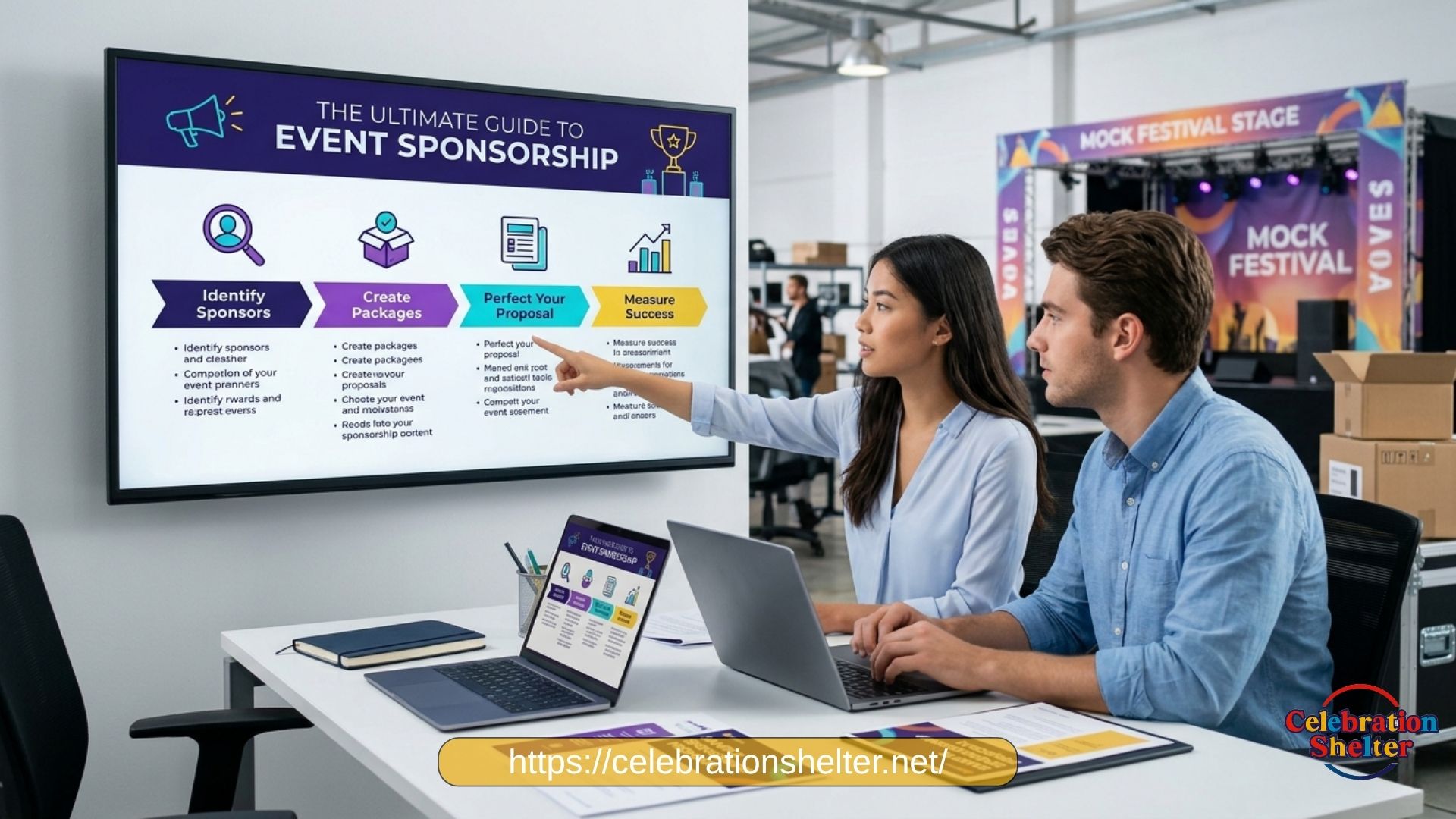
Securing sponsors can make the structural difference between a simple, local gathering and a deeply memorable, high-impact production. Strong sponsorship support injects vital resources, cross-channel visibility, and professional credibility that help an independent event stand out globally.
Many organizers struggle to attract the right sponsors. They regularly face unanswered email streams, rejected proposals, or corporate deals that don’t align with their macro business goals. Without a highly calculated, data-driven framework, the entire development process feels completely overwhelming. This guide shows how to connect with major corporate sponsors step by step. You’ll learn proven, analytical methods to approach companies, present your event with absolute confidence, and build long-term strategic partnerships that benefit both sides of the contract.
What is a Sponsor & Understanding the Core Arrangement
A sponsor is a company, organization, or individual that supports an event. This support can arrive as direct financial funding, promotional push, or the provision of specialized physical products and services. In return, the sponsoring entity gains targeted brand visibility, authentic audience access, and valuable community goodwill.
Sponsorships are built explicitly on mutual value. Event organizers receive essential backing that strengthens the event framework, while sponsors connect with niche consumer audiences that align with their corporate marketing goals. The structural arrangement should always deliver clear, tangible benefits to both parties.
Highly Effective Types of Sponsorships
- Financial Sponsorship: This is the most common archetype. The corporate sponsor contributes direct funds to the production company in return for promotional opportunities. Their brand assets appear on stage banners, admission tickets, digital applications, websites, and merchandise.
- In-Kind Sponsorship: Sponsors provide operational products or technical services instead of money. For example, a catering group covers site hospitality, or a logistics company supplies transport vehicles. This reduces your raw expenses and deepens their connection to the event.
- Media Sponsorship: Media outlets offer structured advertising inventory or exclusive live coverage. They run press articles, online ads, radio spots, or video features highlighting the event timeline and the sponsor’s involvement.
- Experiential Sponsorship: These sponsors construct interactive, on-site experiences. For instance, a gaming brand builds demo booths where attendees interact with new hardware. This creates a deeper brand affinity inside the crowd.
- Community Sponsorship: Local businesses provide tight financial or in-kind support for regional gatherings. These connections highlight neighborhood spirit and strengthen localized audience trust.
- Strategic Partnership: Some corporate entities look beyond a single event calendar and form ongoing relationships. They may support an entire multi-year tour or engage across several years, creating profound brand alignment.
Practical Real-World Example
Consider a sports tournament hosted in a central city stadium. A prominent sports drink company agrees to sponsor the event. They supply direct financial support, product samples for competing athletes, and branded merchandise for the crowd. In return, the brand’s logo appears across stadium banners, uniforms, and social media feeds. Attendees depart with a clear memory of the product linked directly to the excitement of the live game.
How to Get a Sponsorship: 10 Key Tactics
- Understand Your Event: Absolute clarity is your baseline foundation. Know the precise purpose of your event, the exact type of audience it attracts, and the long-term goals you want to reach.
- Define Sponsorship Goals: Outline exactly what assets you require. Do you want raw funding, media coverage, or specialized field services? Clear goals ensure you approach the correct companies.
- Create Attractive Packages: Corporate sponsors appreciate diverse options. Build tiered structures at different investment levels, each displaying clear, explicit benefits like logo space, speaking slots, or custom booths.
- Know Your Audience Demographics: Sponsors care intensely about who will be inside the arena. Share accurate metrics regarding user age, income brackets, interests, and past attendance figures.
- Build Authentic Relationships: Cold, generic requests rarely yield conversions. Initiate business conversations early, show genuine alignment with their brand identity, and listen to their marketing goals.
- Highlight Tangible Benefits: Instead of simply asking for capital, explain clearly how the sponsor gains market visibility, new customer leads, or positive brand association.
- Utilize Social Media Reach: Showcase your complete digital footprint. Share verified statistics for active followers, engagement metrics, and organic reach. Past campaign data adds massive credibility.
- Offer Customization: One partner may demand digital display ads, while another prefers a physical footprint. Tailor specific experiential opportunities to match their exact marketing metrics.
- Provide Accurate Data: Numbers prove your value proposition. Verified attendance figures, post-event survey data, and digital engagement stats build deep trust and corporate confidence.
- Follow Up Responsibly: Sponsors are constantly flooded with pitch requests. Remain incredibly polite but persistent. Remind them of your proposal timelines, share milestone progress, and keep the conversation fluid.
Executing an Asset Analysis & Audience Alignment
The Asset Analysis Blueprint
To land high-value deals, you must know your event inside and out. Evaluate every moving part of your production—from premium speaker panels to main stage entertainment. Each component can hold unique value for an aligned brand. Choose target businesses that match your theme perfectly; a technology entity belongs at a software conference, while an organic food brand matches a culinary gathering. Match their corporate assets cleanly with your event needs, and craft a highly persuasive proposal for each partner. Highlight completely exclusive opportunities—such as naming rights, backstage access, or VIP lounges—to make the partner feel valued. Meet face-to-face whenever possible to build a strong commitment.
Leverage Your Audience Framework
Treat your audience demographics with absolute respect. Use electronic ticket data, pre-event surveys, and historical data to build an accurate attendee profile, proving to sponsors that their target buyers are present. Target brands that your crowd naturally loves; existing familiarity accelerates sponsorship effectiveness. Offer interactive engagement spaces, contests, or product demos where sponsors interact with the crowd directly. Furthermore, leverage positive reviews and audience testimonials from past cycles to establish proof of impact. Extend their value beyond the weekend by offering exposure inside digital newsletters and post-event surveys.
Crafting the Perfect Sponsorship Pitch
A sponsorship pitch is a clear, highly structured business proposal that maps out your event and isolates the explicit benefits waiting for the partner.
Staging a Compelling Pitch
- Strong Contextual Introduction: Present your event blueprint clearly, stating dates, venue coordinates, purpose, and expected attendance.
- Sponsor Alignment Research: Audit their current marketing strategy and show how your event framework naturally supports their goals.
- Unique Selling Points: Isolate what makes your event fundamentally different from competitors in the same space.
- Transparent Tiered Levels: Break down the specific deliverables of each investment level in simple, accessible business terms.
- Demonstrate Clear ROI: Use hard evidence, past engagement metrics, and verified attendance numbers to display your return on investment.
- Visual Data Presentation: Use professional charts, high-resolution imagery, and clean infographics to make your pitch document visually striking.
Avoid blasting generic requests to executive boards without context. Reach out directly to marketing managers, brand coordinators, or sponsorship representatives who manage promotional budgets. If you are managing a massive multi-day festival and need to keep your workforce perfectly deployed across all active shifts, utilizing an advanced event staff scheduling software can showcase your operational stability to prospective corporate partners.
Sponsor Management Tools: The Power of a CMS
Using a specialized Content Management System (CMS) or event platform makes sponsor tracking incredibly simple. It creates a centralized information hub to store all partner contact records, signed contracts, and assets in one secure place. It allows for effortless communication, letting you send updates, proposals, and thank-you sequences rapidly.
The Seamless Sponsor Conversion Cycle
- Asset Analysis: The operational team performs a full sweep of all high-value event features.
- Target Matching: Organizers connect with corporate brand targets that align perfectly with their core audience profile.
- Pitch Deployment: Supervisors deploy customized, data-driven pitch sheets directly to corporate marketing managers.
- Logistics Centralization: Staff manage all signed agreements, deadlines, and graphic files inside the event CMS.
- Data Evaluation: Analytical tools compile and distribute measurable ROI metrics back to the investors post-event.
- Partnership Scaling: Satisfied brands transition from single-event sponsors into long-term strategic partners.
A CMS automates task tracking and reminders, freeing up valuable time. It lets you monitor how sponsors interact with your event both online and on site, giving partners real-time updates regarding audience reach. Detailed analytics reports prove the absolute return on investment, leaving partners happy and far more likely to return for future cycles.
Technical Infrastructure & Cross-Platform Integration
Ensuring proper technical coordination keeps your commercial operations perfectly aligned with standard live event logistics. If your site plan involves building heavy physical booths or displaying custom partner vehicles across open fields, ensure your team integrates solutions like our guide on ultimate festival ground protection and flooring to preserve your physical spaces safely.
If your targeted venue layout borders changing river currents or humid environments, evaluate your routing using the water music festival log to shield your partners’ electronics from moisture. If your production company utilizes specialized outdoor base camps to house off-duty staff or sponsors, protect your physical assets using our master camping festival checklist to keep your inventory secure. If out-of-town management or artist tracking teams choose to mix camp environments with local residential properties, verify safety boundaries before booking or utilizing festival hacks like sharing an Airbnb node. Planners establish technical milestones early, using the correct event creation timeline options to secure all entry passes cleanly.
Final Thoughts
Securing event sponsors is not about simply asking for capital—it is about offering real, measurable value and engineering long-term partnerships. By deeply understanding your event assets, knowing your audience data, and presenting clear benefits, you can attract sponsors who are genuinely excited to join your journey. Consistent execution and clear communication turn your sponsor framework into a solid foundation for year-after-year success.