Best Event Health Tips to Stay Safe, Energized, and Well
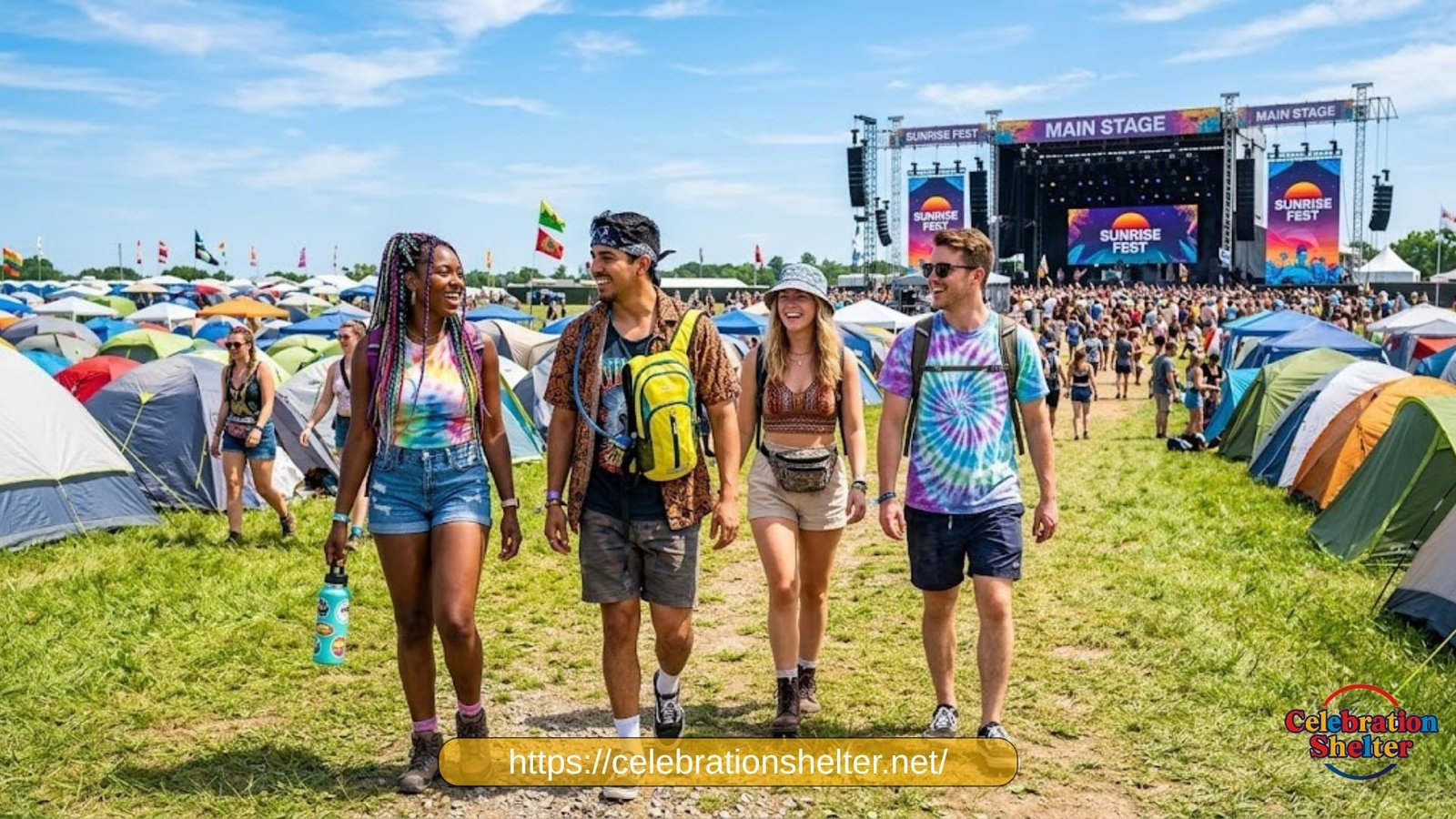
Crowds, music, and excitement create memories that last. They can also leave something less pleasant behind—days of coughing, fatigue, and regret. Many people shrug it off as “just part of the experience,” but it doesn’t have to be.
Take Mia, for example. She went to her favorite band’s concert, sang along all night, and felt on top of the world. Two days later, she could barely get out of bed. A fever set in, her throat was raw, and she missed three days of work. What should have been a highlight of her summer turned into a week of frustration, extra stress, and a pile of unfinished tasks.
Stories like Mia’s are all too common. Fun events often leave people sick, tired, or injured simply because they weren’t prepared. Small steps before and during the event could have made all the difference.
This article breaks down those steps in simple, practical ways. From sleep to food choices, hygiene to safety, you’ll find clear tips to help you enjoy every moment without paying for it later. Read on to stay healthy, safe, and ready for the next big event.
Before the Event
Getting enough rest before a big event sets the tone for your body’s ability to fight off illness,” says Dr. Karen Lewis, MD, Infectious Disease Specialist at Houston General Hospital. “Aim for at least seven to eight hours of quality sleep the night before so your immune system is ready to handle stress, crowds, and exposure.”
Even a small step like prioritizing rest can mean the difference between feeling energized or run down. Following a clear festival planning guide can help you organize your pre-event routine so you don’t end up rushing or compromising on sleep. Protect your health by putting rest first.
For more practical tips, review our camping festival checklist and start building habits that keep you strong.
Get a Good Night’s Sleep
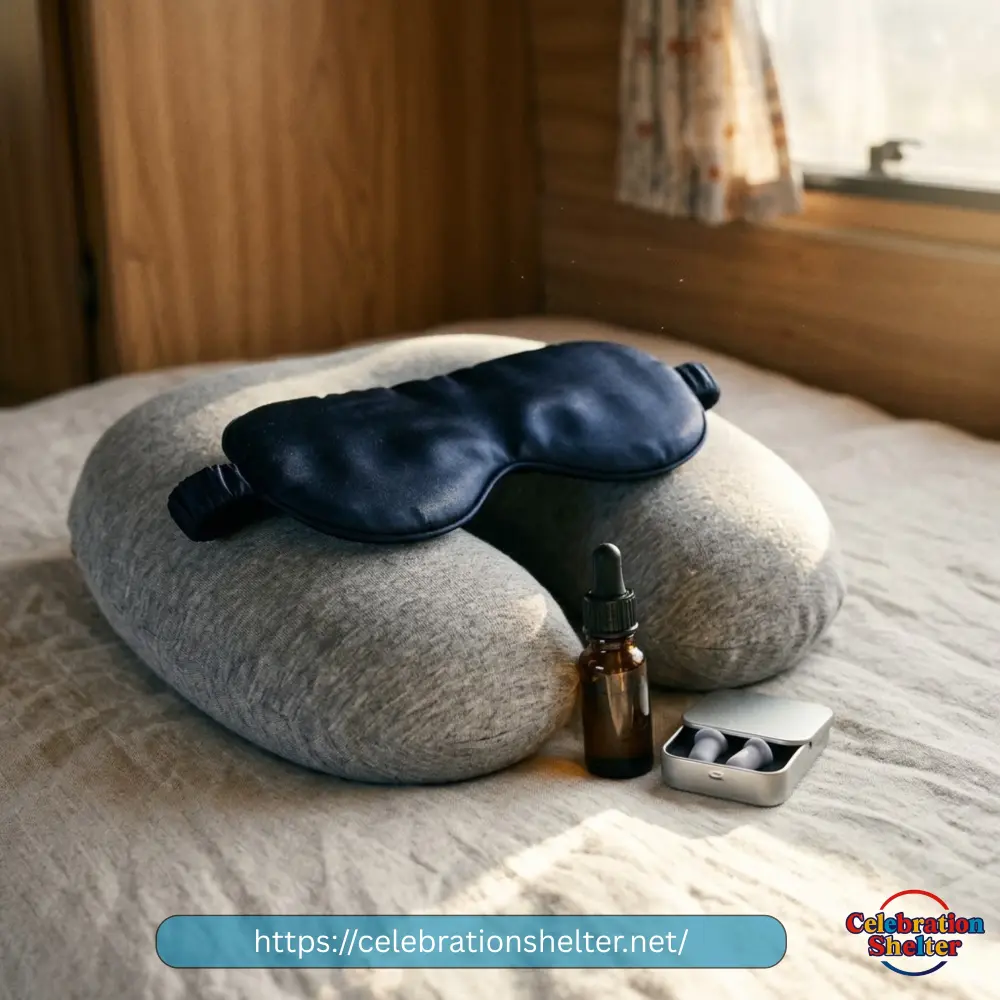
Sleep gives the body time to repair and recharge. During deep sleep, the immune system releases proteins that help fight off infections. Without enough rest, these protective proteins drop, making it harder to recover from germs you meet in crowded places. Poor sleep also weakens focus and energy, leaving you more vulnerable to illness and stress. Missing out on sleep before a big event may turn an exciting day into a week of fatigue or sickness. Protect yourself by aiming for seven to eight hours of quality rest each night.
Eat Well
The immune system works like a car engine—it needs the right fuel to run smoothly. Nutrients such as vitamin C, zinc, and protein help your body create and repair infection-fighting cells. Without them, the immune system struggles to respond when you come into contact with germs. Reviewing a festival camping food guide or a dedicated festival food packing guide can help you plan ahead. Citrus fruits, lean meats, beans, and leafy greens provide the mix your body needs.
Vaccines
Vaccines train the body to recognize and fight harmful germs before they cause serious illness. Some are given once during childhood or adolescence, such as measles or HPV. Others are recommended later in life, like the shingles or pneumococcal vaccines, which protect older adults or people with health conditions. Seasonal vaccines, such as the flu shot, change each year to match new strains of the virus.
By preparing the immune system in advance, vaccines lower the risk of getting sick and can make symptoms milder if infection does occur. Keeping up with recommended vaccines helps protect not only your own health but also the health of those around you.
During the Event
Once you arrive, there’s still plenty you can do to protect yourself from infections. Keep a water bottle with you and take small sips often. Wash or sanitize your hands after touching shared surfaces. If the space feels packed, step outside for a short break where the air moves more freely. These small steps help you stay healthy while still enjoying the moment. Keep reading for more ways to stay safe and comfortable throughout the event.
Stay Hydrated
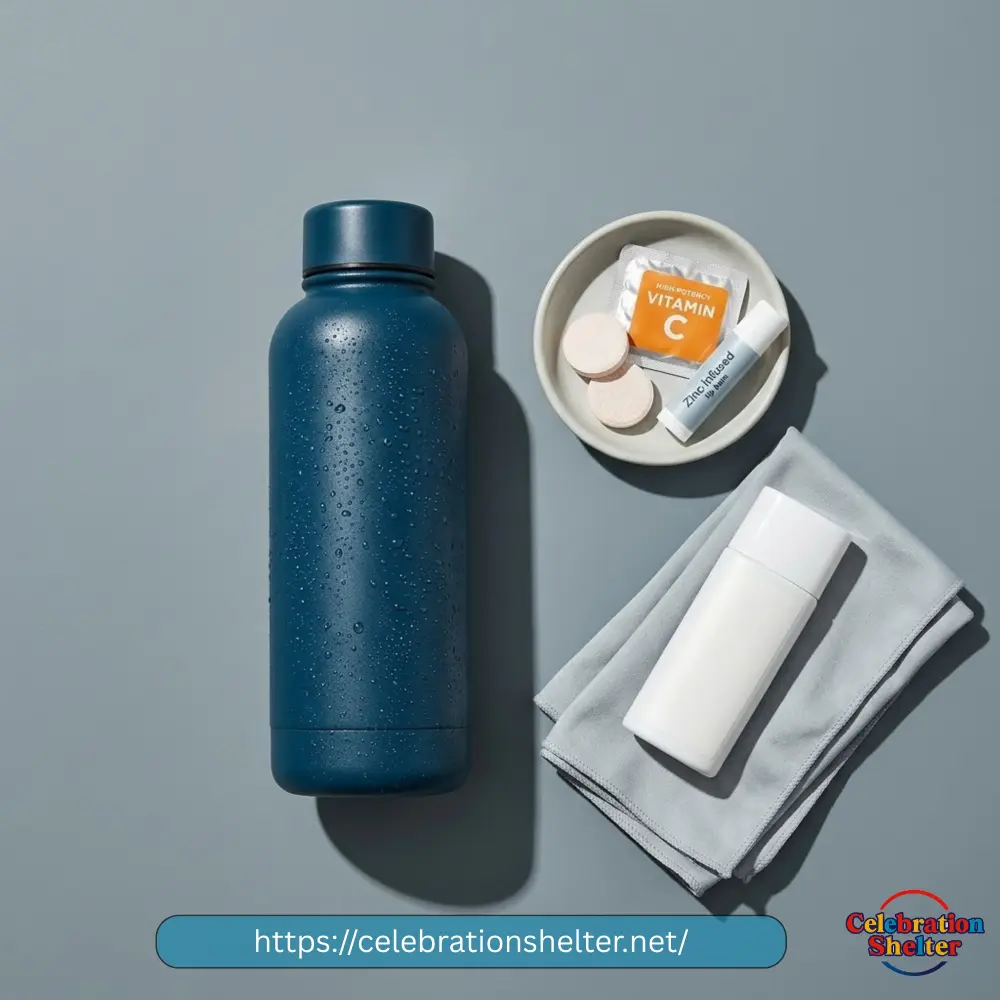
To stay safe, drink water regularly—even before you feel thirsty. Carry a refillable bottle, take breaks in the shade, and wear light, breathable clothing. A simple rule of thumb: check your urine color. If it’s pale or clear, you’re in good shape. Darker shades mean it’s time to drink more.
“Think of hydration as part of your event plan, not an afterthought,” adds Megan Fields, MPH, Public Health Specialist. Protecting your body from dehydration helps you enjoy the event fully without putting your health at risk.
Prepare for Environmental Allergies
Festivals often bring more than music and fun—they also come with dust, pollen, and changing weather that can trigger allergies or breathing issues. Crowded grounds stir up dirt, and outdoor locations may expose you to plants or insects that irritate the body.
Packing antihistamines, tissues, and a lightweight scarf can save the day if conditions worsen. For long events in dry, dusty regions, veteran attendees share an unusual but effective trick: soaking feet in vinegar at night to avoid painful cracks known as “playa foot.” If you are camping at music festivals, choosing a sturdy tent from a trusted festival tent guide will also keep dust and allergens out of your sleeping quarters. A little preparation keeps the environment from spoiling the experience.
Practice hygiene
Crowded festivals are breeding grounds for germs, especially in bathrooms and food areas where bacteria spread quickly.
Always wash or sanitize your hands after using them. Carrying a small bottle of sanitizer and using it before eating can cut down your risk of illness. Avoid touching your face until your hands are clean, and try not to share personal items like makeup or utensils. Along with hand care, avoid passing around drinks or vapes to keep germs from spreading among friends.
Party safely
Experts warn that drugs often found at festivals, such as molly and ecstasy, carry serious risks. Beyond their usual effects, many pills and powders are now contaminated with fentanyl, which can cause overdose even in tiny amounts. Add dehydration, overheating, or serotonin syndrome to the mix, and the dangers increase fast in crowded, high-energy environments.
If you or friends choose to partake, preparation is key. Test what you take, watch for warning signs in your group, and keep water nearby. Utilizing simple festival hacks—like keeping emergency contacts easily accessible—ensures you’re prepared for any situation. Safety doesn’t kill the vibe—it keeps the night from turning into an emergency.
Keep Your Distance
Germs spread easily when people cough, sneeze, or even breathe in close quarters. Tiny particles can linger in the air and move from one person to another, especially in crowded spaces. How far they travel depends on the temperature, humidity, ventilation, and even the wind if you’re outdoors.
The six-foot rule, made familiar during the pandemic, can help reduce risk, but it isn’t perfect. Airflow and crowd movement can push particles farther than expected. Still, keeping a bit of space between yourself and others lowers the chance of inhaling something that could make you sick.
Wash Your Hands
Germs don’t just spread through the air—they can live on surfaces like doorknobs, railings, and countertops for hours or even days. When you touch these spots and then rub your eyes, nose, or mouth, you give those germs a direct path into your body.
The easiest way to break that chain is regular handwashing with soap and water for at least 20 seconds. If sinks aren’t available, keep a small bottle of hand sanitizer handy inside a secure, compact option from a music festival bags guide. Try to limit direct contact with high-touch surfaces when possible.
Consider a Mask
Carrying a few lightweight masks offers a simple layer of defense. In busy, unpredictable settings, that extra protection helps you stay focused on the fun instead of worrying about what you might breathe in.
Wear Good Shoes
Good shoes don’t just add comfort—they also prevent sprains, cuts, and painful blisters that could end the fun early. Choosing supportive, closed-toe options such as durable camping boots for festivals means you’ll last the whole event without limping home.
Final Thoughts
Staying healthy at concerts, festivals, and large events doesn’t require major sacrifices. Small actions like getting enough sleep, staying hydrated, practicing good hygiene, and packing according to a music festival packing list can dramatically reduce the risk of illness or injury. Reviewing a comprehensive music festival guide beforehand ensures you’re ready for any venue setup. A little preparation helps ensure the memories you bring home are positive ones—not a week of recovery. Take care of yourself before, during, and after the event so you can enjoy every moment with confidence.