Your Complete Guide to Wine Festivals in the United States
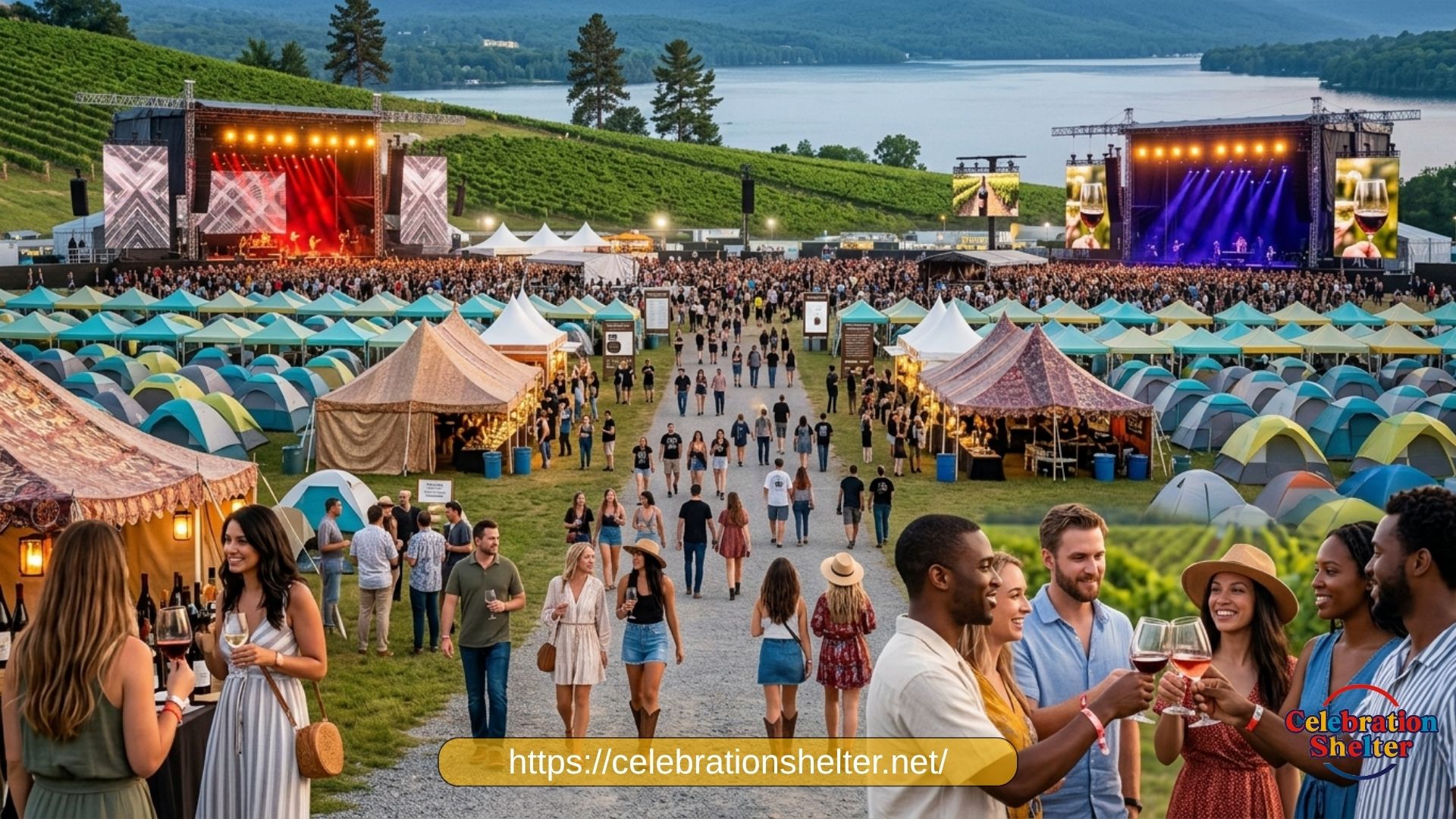
Wine festivals bring millions of visitors to vineyards, city parks, and fairgrounds across America every single year. But knowing which ones to attend — and how to prepare — makes all the difference between a great day and a forgettable one. Whether you’re a first-timer or a returning enthusiast, this guide covers everything. From the best wine festivals in the United States to insider hacks that save you money, let’s get into it.
What Is a Wine Festival?
A wine festival is a public event where wineries, vintners, and sommeliers gather to pour, promote, and celebrate regional wines. These events range from small community tastings to massive multi-day food and wine festivals that attract tens of thousands of guests.
At their core, American wine festivals serve three purposes. They showcase local wine regions and their signature grape varietals. They connect winemakers directly with wine lovers. And they build a full cultural experience around food, live music, and the art of winemaking.
The United States now has more than 12,000 wineries spread across all 50 states. That means wine festivals happen year-round — from spring bud break celebrations to fall harvest festivals and cozy winter barrel tastings. By 2027, the American wine tourism industry is projected to cross $20 billion as new wine regions and younger drinkers drive demand higher than ever.
Why Wine Festivals in the United States Are Worth Your Time
Attending a wine festival puts you in the same room as hundreds of winemakers and fellow enthusiasts. You taste wines that never make it to retail shelves. That alone is reason enough to go.
Beyond the glass, wine events offer direct education from winemakers about terroir, vintage years, and winemaking techniques. You get access to limited-production wines and library releases. You experience food and wine pairings curated by professional chefs and sommeliers. And you enjoy live music, artisan vendors, and vibrant cultural programming all in one place.
What most guides won’t tell you is this: wine festivals are one of the few places where you can walk up to the actual person who made your wine and ask them anything. That direct access has no equivalent in a restaurant or retail store.
The Best Wine Festivals in the United States by Region
California Wine Festivals
California produces nearly 85% of all wine made in the United States, so it makes sense that some of the world’s most celebrated wine events happen here.
Auction Napa Valley (Napa, CA) raises millions for local causes every year. It’s one of the most prestigious charity wine events in the world. Visit Auction Napa Valley to check upcoming dates and ticket availability.
Sonoma Wine Country Weekend (Sonoma, CA) is a three-day food and wine event featuring barrel tastings, winery dinners, and live cooking demos. The 2027 edition is expanding its natural wine and biodynamic farming showcase — a section competitors still aren’t covering.
Paso Robles Wine Festival (Paso Robles, CA) is one of California’s oldest wine events, showcasing bold Rhône varietals, Zinfandel, and Syrah from the Central Coast’s diverse AVA. It’s a strong alternative if Napa prices feel out of reach.
Pacific Northwest Wine Festivals
Oregon and Washington have earned a world-class reputation for Pinot Noir, Chardonnay, and Riesling.
Oregon Pinot Camp (Willamette Valley, OR) is a two-day immersive wine education experience hosted by top Willamette Valley producers. Tickets sell out in minutes. Book as soon as the registration window opens.
Walla Walla Wine Barrel Tasting (Walla Walla, WA) lets visitors taste wines still aging in oak barrels. It’s a rare, behind-the-scenes look at the winemaking process that most people never experience.
East Coast Wine Festivals
The East Coast wine scene has grown dramatically over the last decade, especially in New York, Virginia, and North Carolina.
Finger Lakes Wine Festival (Watkins Glen, NY) is the largest wine festival in the Northeast, featuring over 100 wineries and 35,000 attendees. Riesling is the undisputed star of the show. Check the Finger Lakes Wine Alliance for 2027 event details.
New York Wine & Food Festival (New York City, NY) is a charity food and wine event benefiting hunger-relief organizations. Top sommeliers and celebrity chefs headline each year.
Virginia Wine Month (Statewide, VA) turns all of October into a wine celebration across Virginia’s 300+ wineries. It’s one of the best wine travel experiences on the East Coast — and one of the most underrated.
Southern Wine Festivals
Texas Hill Country Wine Trail (Fredericksburg, TX) features over 50 wineries showcasing Texas Tempranillo, Viognier, and Mourvèdre. The Texas wine industry has grown over 400% in the last 15 years and now represents a serious destination for wine tourism.
Charleston Wine + Food Festival (Charleston, SC) pairs Southern culinary traditions with wines from across America and the world over five full days. It’s consistently ranked among the top food and wine events in the Southeast.
Emerging Wine Regions Most Guides Overlook
This is where most competitor posts fall short — and where you can discover something genuinely new.
Georgia Wine Country (Dahlonega, GA) has produced award-winning Cabernet Franc and Malbec for over a decade. The Dahlonega Plateau AVA is now federally recognized, and its annual wine festival draws growing crowds every spring.
Michigan Wine & Harvest Festival (Paw Paw, MI) highlights the Lake Michigan Shore wine region, one of the most underrated wine destinations in America. Riesling and Pinot Gris from here punch far above their reputation.
Arizona Wine Festival (Sonoita, AZ) is a hidden gem. The high-altitude vineyards in the Sonoita-Elgin AVA produce Spanish and Rhône varietals that genuinely surprise first-time visitors.
New Mexico Wine Festival (Bernalillo, NM) at the Balloon Fiesta grounds every Labor Day weekend. New Mexico is actually one of the oldest wine-producing regions in North America — a fact almost nobody covers.
Mountain and Midwest Wine Festivals
Aspen Food & Wine Classic (Aspen, CO) is one of the most exclusive food and wine events in the country. Top sommeliers, James Beard Award winners, and rare wine collections converge here every June.
Colorado Mountain Winefest (Palisade, CO) highlights high-altitude wines from the Grand Valley AVA with bold, distinct flavor profiles that reflect the Colorado River Valley’s unique terroir.
Natural Wine and Sustainable Wine Festivals — The 2027 Trend
This is the fastest-growing segment in American wine festivals, and almost no competitor covers it.
RAW Wine Fair (Multiple US cities) is the flagship natural wine event, featuring producers who work with minimal intervention, organic farming, and no added sulfites. The 2027 US tour is expanding to Chicago, LA, and New York.
Biodynamic Wine Festival events are popping up across California, Oregon, and Vermont. These events focus on regenerative farming, lunar cycle harvesting, and wines made without synthetic inputs.
If you care about sustainable food systems or organic farming, these festivals offer a completely different experience from conventional wine events.
When Is Wine Festival Season in the United States?
Wine festival season runs almost year-round, but timing depends on the region and what experience you want.
Spring (March–May) brings barrel tastings, bud break celebrations, and spring wine releases. It’s ideal for early access to new vintages before they sell out.
Summer (June–August) is peak outdoor wine festival season. Crowds are largest, music lineups are strongest, and food vendors are at full capacity. Book accommodations early — nearby hotels fill up weeks in advance.
Fall (September–November) is the most exciting time in wine country. Crush season, harvest festivals, and grape stomp competitions run across every major wine region. This is when winemakers are most energized and most willing to talk.
Winter (December–February) brings quieter, more intimate events — winemaker dinners, vertical tastings, and wine pairing dinners that feel exclusive and unhurried. This is also the most budget-friendly season to travel to wine country.
What to Expect at Your First Wine Festival
Walking into your first wine festival can feel overwhelming. Here’s exactly what happens.
You receive a tasting glass at check-in — your all-access pass to every pour. Guard it. Some festivals charge a replacement fee if you lose it.
Tasting booths are set up by each winery. You walk up, request a wine flight, and move on to the next. Staff are usually winery ambassadors or the winemakers themselves. Ask questions — they love it.
Many festivals offer guided tastings, wine seminars, and sommelier-led workshops. These are often included in your festival ticket or available as a small upgrade. In 2027, expect to see more app-based seminar booking and AI-assisted wine pairing recommendations at larger events.
Food at wine festivals is serious. Expect artisan cheese boards, charcuterie platters, farm-to-table meals, and chef pop-ups that match the caliber of the wines being poured.
You can buy bottles directly from wineries, often at cellar door prices that beat any retail option. Many wineries now offer direct-to-consumer shipping from their festival booth.
Wine Festival Road Trip Planning — What No One Tells You
Planning a wine festival road trip is one of the best ways to experience American wine culture. Here’s how to do it right.
Build your route around one anchor festival and add winery visits on the days before and after. Most wine regions cluster their top wineries within 30 minutes of each other, making it easy to taste across an entire appellation in a single day.
Book accommodations in the wine region itself, not in the nearest city. Staying in Healdsburg instead of San Francisco, or in Dundee instead of Portland, gives you early morning and late afternoon access to tasting rooms when crowds are thinnest.
Designate a driver or hire a wine tour shuttle. Every major wine region now has dedicated shuttle services that run between festivals, wineries, and hotels. This is the safest and most practical option for groups.
For full trip packing advice, check our outdoor events guide before you leave.
Common Mistakes at Wine Festivals
Most first-timers make the same avoidable errors.
Skipping water is the biggest one. Wine tasting dehydrates you fast. Drink a full glass of water between every few pours. Most festivals have free water stations — use them constantly.
Arriving late costs you the best pours. Top winemakers often run out of reserve wines by midday. Arrive as close to opening as possible.
Not spitting between pours is a rookie move. Serious tasters spit to stay sharp and taste more wines with full concentration. It’s strategic, not wasteful.
Wearing the wrong shoes ruins the day. Outdoor wine festivals take place on grass, gravel, and vineyard terrain. Leave the heels and open-toed sandals at home.
Forgetting sunscreen leads to a painful next morning. A full day at a summer wine festival means hours of direct sun exposure. Pack SPF 50+ and reapply throughout the day.
Over-drinking early means you miss the best wines poured later in the day. Start with sparkling wines and whites, move to reds, and finish with dessert wines and fortified wines.
For a complete festival packing checklist, our guide on what to pack for an outdoor festival covers everything you need.
Pro Tips and Hacks Most Guides Don’t Mention
Volunteer your way in free. Most large wine festivals rely on volunteers to staff check-in, pour water, and manage traffic. In exchange, volunteers often receive free admission and sometimes a tasting pass after their shift. Search the festival’s website for volunteer applications — spots fill up fast but rarely get mentioned in any guide.
Go solo. Solo travelers at wine festivals often have richer experiences than groups. You move at your own pace, have longer conversations with winemakers, and connect with other attendees more naturally. Many festivals now have designated solo traveler meetup areas.
Ask about pet-friendly options. A growing number of outdoor wine festivals in California, Oregon, and Texas now welcome leashed dogs. If you’re traveling with your pet, this is worth checking before you buy a ticket.
Download the festival app before you arrive. In 2027, most major wine events have apps with winery maps, pour schedules, and seminar booking. Download and explore it the night before so you can plan your route in advance.
Ship wine home. Many wineries at festivals offer direct-to-consumer shipping. If your state permits it, this beats checking fragile bottles on a flight. Wine shipping laws vary by state — check yours before ordering.
Book a winemaker dinner if one is available. These intimate seated dinners pair five to seven courses with wines from a single producer and usually include a conversation with the winemaker. They cost more than general admission but deliver an entirely different level of experience.
For more multi-day festival strategies, browse our festival camping tips — especially if you’re staying on-site at a multi-day event.
FAQs About Wine Festivals in the United States
How much do wine festival tickets cost in 2027?
General admission typically ranges from $60 to $220 per person. VIP packages with winemaker dinners and reserve tastings run $300 to $900+. Prices have increased modestly since 2025 due to higher demand and production costs.
Are wine festivals family-friendly?
It depends on the event. Festivals focused purely on wine tasting typically restrict entry to guests 21 and older. Food and wine festivals with broader programming sometimes welcome all ages. Always check the age policy before buying tickets.
What should I wear to a wine festival?
Dress for weather and terrain. Outdoor wine festivals call for comfortable walking shoes, layers, and a hat. Smart casual fits every event without being overdressed.
Can I bring wine home from a festival?
Yes, in most cases. Wineries sell bottles on-site and many offer direct-to-consumer shipping. Direct-to-consumer wine shipping laws vary significantly by state, so check your state’s current rules before placing an order.
What’s the difference between a wine festival and a wine tasting?
A wine tasting usually happens at a single winery or tasting room with a curated selection. A wine festival brings dozens or hundreds of wineries together in one place — with food, music, education, and full cultural programming.
When is the best time to attend a wine festival in the US?
Fall is the top pick. Harvest festivals in September and October let you witness crush season in real time and taste wines made from freshly harvested grapes. Winemakers are more present and more talkative during harvest than at any other time of year.
What are the best emerging wine regions to visit in 2027?
Georgia’s Dahlonega Plateau, Michigan’s Lake Michigan Shore, Arizona’s Sonoita-Elgin AVA, and New Mexico’s Rio Grande Valley are all producing exciting wines that most visitors haven’t discovered yet. These regions also tend to have smaller crowds, lower prices, and more direct access to the winemakers themselves.
Final Thoughts: Your 2027 Wine Festival Game Plan
Wine festivals in the United States offer something rare — a direct connection between the land, the maker, and the glass in your hand. Whether you’re exploring the vineyards of Napa Valley, discovering Georgia’s emerging wine scene, or sipping Finger Lakes Rieslings in upstate New York, every festival tells a story worth tasting.
Start with one. Pick a regional wine festival near you, go with an open mind, and let the winemakers do the talking. You’ll plan your next one before you even get home.
Ready to plan your next celebration? Browse our festival guides and travel tips for everything you need before you go.