
Festival Talent Booking Guide: How to Build the Right Lineup

Securing the right talent can make or break a festival. The lineup sets the mood, draws the crowd, and shapes the overall experience. Booking acts is not just about music; it’s about creating a lasting impression.
Choosing performers that match your vision and audience builds momentum before the first note plays. Fans connect with festivals that deliver the right mix of headliners, rising stars, and local gems. That balance turns a good event into a memorable one.
This guide breaks down how to book talent with confidence. Each step helps you create a lineup that fits your goals.
Define Your Festival’s Vision and Audience
Identify your genre and theme
Every festival begins with a vision. Before reaching out to performers, decide what type of event you want to host. Are you focusing on electronic dance, indie rock, hip hop, or a mix of styles? Your theme should guide every decision. A clear genre and theme not only shape the lineup but also attract the right audience and sponsors. Without direction, your event risks becoming scattered and forgettable.
Know your audience demographics
Understanding your audience is as important as choosing the genre. Look at age groups, income levels, and cultural trends in your target market. A college-aged crowd may lean toward emerging acts, while an older audience may expect classic performers. Knowing who you serve helps you predict ticket sales, set prices, and tailor the experience to meet expectations.
Create a talent wishlist
Once you know your theme and audience, start building a wishlist. Write down dream headliners, mid-level artists, and local acts that would fit. Prioritize them based on availability, budget, and fan demand. A wishlist keeps your search focused and prevents wasted time on performers who don’t align with your goals.
Budgeting and Lineup Tiers: Headliners vs. Emerging Talent
Allocate budget across lineup tiers
Budget is the backbone of talent buying. Divide it into tiers: headliners, mid-tier, and new talent. A balanced approach ensures you don’t overspend on one act while leaving little for the rest. Think of your budget as an investment in the overall experience rather than a single performance.
Spend wisely on headliners
Headliners drive ticket sales, but they also carry the biggest price tags. Choose wisely and make sure the cost matches your expected return. A strong headliner can justify higher ticket prices, but overspending risks financial loss. Consider how many tickets you need to sell to cover their fee before signing any deal.
Value of emerging and local acts
Emerging and local acts bring freshness to your lineup. They often cost less but can create big buzz if promoted well. Many fans enjoy discovering new talent, and these performers often bring their own loyal followers. Supporting local acts also builds community goodwill, which can pay off in future events.
Working with Booking Agents and Industry Resources
Identify the right agent or representative
Most professional artists work through booking agents. Identify who represents your target performers and reach out with a clear plan. Agents appreciate working with organized promoters who know their vision and budget. Approach them with respect and professionalism to start building trust.
Use industry databases
Resources like PollstarPro, Indie on the Move, or regional directories provide valuable data on artist fees, routing, and availability. These tools save time and help you avoid unrealistic choices. A well-researched list makes negotiations smoother and shows agents that you’ve done your homework.
Craft a professional pitch
When reaching out, present your festival in the best light. Include details like location, expected attendance, past events, and promotional support. Explain why the artist would be a good fit and highlight the benefits of joining your lineup. A clear pitch increases the chance of a positive response.
Negotiate and build relationships
Negotiation goes beyond price. Discuss travel, lodging, hospitality, and promotional commitments. Be flexible but firm about your limits. Building long-term relationships with agents can open doors to future bookings and better deals. Agents who trust you will be more willing to suggest your festival to their roster.
Timing is Everything: Start Early and Plan Ahead
Understand booking timelines
Top performers often book months or even a year in advance. Waiting too long limits your options and raises costs. Start early to secure the acts you want and lock in reasonable fees.
Coordinate with tour cycles
Artists often plan tours around album releases or seasonal peaks. Aligning your festival dates with these cycles increases your chances of landing big names. A performer already on tour may offer a lower fee if your event fits their route.
Leave room for logistics
Booking talent is only part of the job. Travel, visas, equipment, and stage setup take time to organize. Build a timeline that accounts for these details so you’re not scrambling at the last minute. A smooth process keeps performers happy and reduces stress for your team.
Avoid peak competition when possible
Summer weekends often fill with competing festivals. If possible, choose dates that avoid major events in your region. Less competition means better availability and stronger ticket sales. Timing can be the difference between a sold-out show and a half-empty field.
Crafting a Balanced and Diverse Lineup
Mix headliners, mid-tier, and newcomers
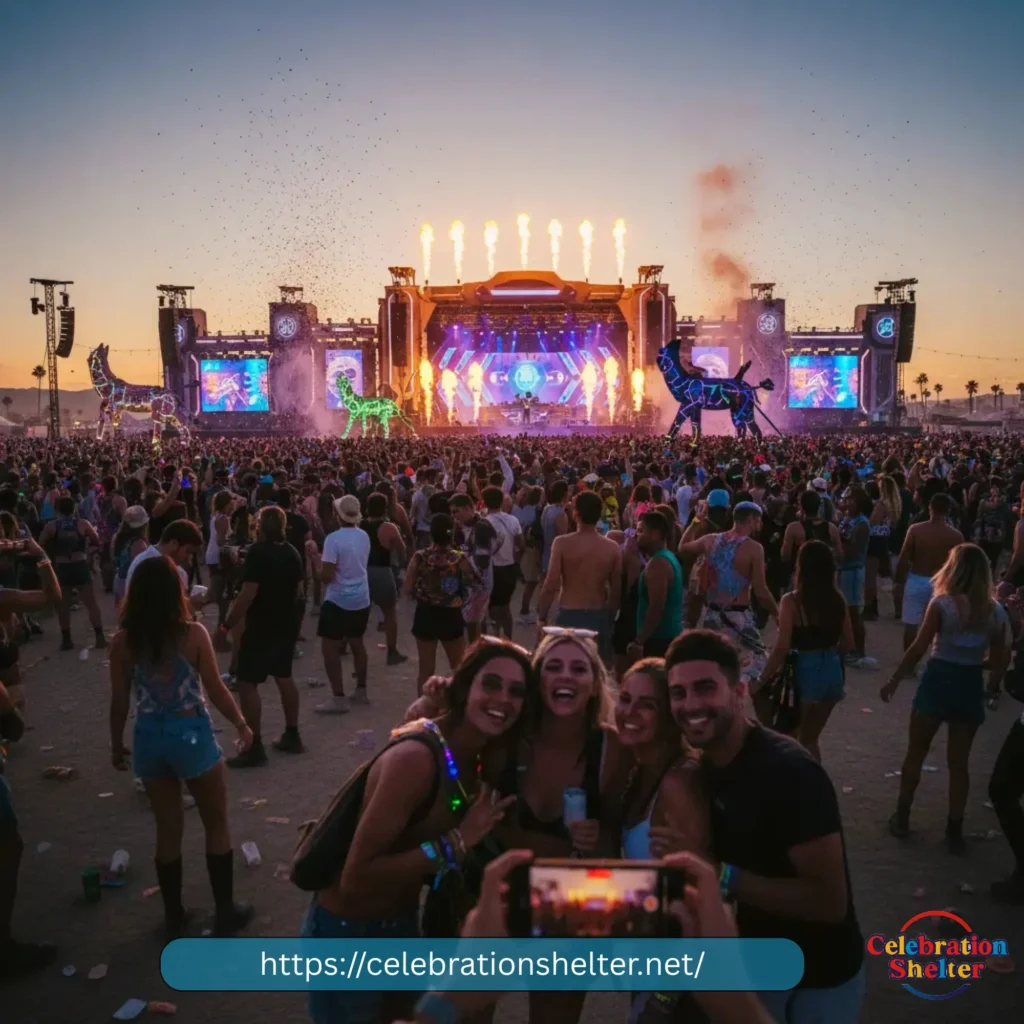
A strong festival lineup blends big names with fresh talent. Too many headliners strain the budget, while too few make the event less attractive. The right mix ensures excitement for all types of fans.
Cross-promote genres and styles thoughtfully
Audiences often enjoy variety, but balance is key. Pair complementary genres that share overlapping fans. For example, indie rock can blend with folk, while electronic acts may pair with hip hop. Careful cross-promotion broadens appeal without alienating your core audience.
Stay Flexible: Backup Plans and Contingencies
Don’t get married to one dream artist
Dreaming of a single headliner can blind you to other options. Artists cancel or become unavailable, so always keep backups. Flexibility ensures you won’t face disaster if your top choice falls through.
Expect the unexpected
Weather delays, travel issues, and health problems happen. Build contingency plans for stage setups, scheduling, and emergency support. Preparing for challenges allows the show to go on even when problems arise.
Maintain good communication
Clear communication with artists, agents, and crew reduces misunderstandings. Share updates regularly and confirm details in writing. Good communication builds trust and prevents last-minute surprises.
Learn to say no
Not every offer benefits your festival. Some performers may be too expensive, or their audience may not align with your vision. Saying no keeps your lineup focused and protects your budget.
Conclusion
Booking talent for a festival is both exciting and challenging. Success depends on clear vision, smart budgeting, and strong relationships with agents. Timing and flexibility play a huge role, as does the ability to craft a lineup that appeals to a wide audience. By following these steps, organizers can secure the right mix of artists, keep costs under control, and deliver an event that fans will remember.
Frequently Asked Questions
How far in advance should I book festival talent?
It’s best to start at least 9–12 months ahead for headliners. Emerging and local acts can often be confirmed closer to the event, but early planning gives you more options.
Do I need a booking agent to secure artists?
While you can approach smaller acts directly, most established performers use agents. Working with agents ensures smoother negotiations and access to a broader range of talent.
How do I set a budget for my lineup?
Divide your budget into tiers: headliners, mid-tier artists, and local acts. A balanced split prevents overspending on one performer while keeping the lineup strong across the board.
What happens if an artist cancels last minute?
Always keep backup options. Build relationships with multiple acts so replacements can step in if needed. Communicate clearly with fans about changes to keep trust intact.
Can local talent make a difference in my festival?
Yes. Local performers often bring loyal fans, help reduce costs, and add unique flavor to your event. Supporting local talent also strengthens community ties.
How do I attract well-known artists to a new festival?
A professional pitch, clear vision, and evidence of solid planning matter. Highlight marketing plans, expected turnout, and long-term goals. Even if you’re new, showing credibility encourages agents to take you seriously.