The Complete Step-by-Step Festival Planning Guide

Festivals bring communities together and raise vital support for important causes. With more groups turning to large-scale events, careful planning is the difference between success and chaos. The festival industry continues to grow, and nonprofits can use this trend to strengthen fundraising and visibility.
A well-planned festival doesn’t happen overnight. It takes a clear strategy, a dedicated team, and attention to both big-picture goals and small details. Whether your event highlights music, food, comedy, or local culture, a detailed guide ensures nothing falls through the cracks.
This step-by-step festival planning guide will walk you through everything you need, from setting goals to following up after the event. By using these steps, your team can plan a safe, fun, and organized festival that supports your mission and leaves lasting memories.
1. Set Concrete Goals For Your Festival
The foundation of every festival starts with goals. They give your team direction and keep planning efforts focused. Goals should be both broad and specific.
For example, broad goals may include raising awareness, boosting donations, or creating a community tradition. Specific goals should include measurable targets such as:
- Increase ticket sales by 20% compared to last year
- Add 500 new email subscribers
- Reach a $25,000 fundraising goal
- Improve attendee retention to 70%
Share these targets with your team so everyone knows what they are working toward. When your goals are clear, your decisions around budget, venue, and programming will align with them.
2. Determine Your Festival’s Budget
Budgeting shapes what is realistic for your event. Start by reviewing expected revenue, including ticket sales, donations, sponsorships, and merchandise. Then, allocate funds across essential areas:
- Venue rental fees
- Talent or entertainment costs
- Food and beverage vendors
- Security and safety measures
- Sanitation and equipment rentals
- Marketing and promotions
- Permits and insurance
Always leave a cushion for unexpected costs. Staying within budget helps ensure the festival remains financially sustainable and doesn’t drain resources from your nonprofit’s mission.
3. Secure a Festival Venue
The venue sets the tone for your festival. Choose one that fits your expected audience size, supports your technical needs, and is easy to access. Consider:
- Public transit and parking availability
- Infrastructure such as power supply and restrooms
- Accessibility for people with disabilities
- Opportunities for future event growth
Once selected, finalize contracts, secure permits, and confirm the venue’s rules on noise, alcohol, and setup. The right space creates a safe, welcoming atmosphere for performers, vendors, and attendees.
4. Book Your Festival’s Lineup and Vendors
Entertainment and food are often the main draws of a festival. Know your audience and choose acts, vendors, and experiences that reflect their interests.
Steps to follow:
- Create a list of target performers and preferred vendors
- Balance local talent with recognizable names
- Offer a mix of cuisines and products for wide appeal
- Send clear schedules and agreements to performers and vendors
Highlight benefits for participants, such as exposure to new audiences or community goodwill. Strong partnerships with performers and vendors can elevate the entire festival experience.
5. Build Your Festival Marketing Plan
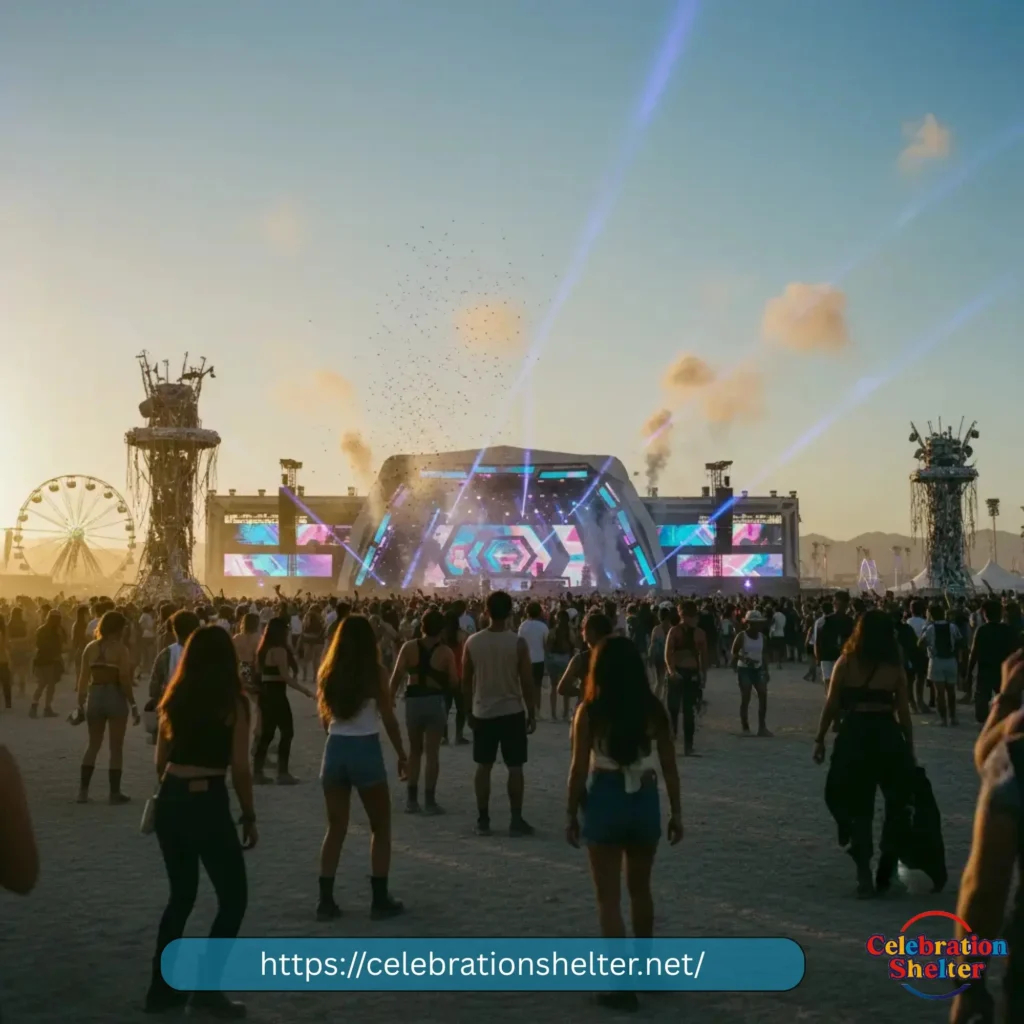
Even the best-planned event needs promotion. Start with a unique sales proposition: what makes your festival stand out? Then share that message across multiple channels:
- Social media: Create a festival hashtag, run ticket giveaways, and share behind-the-scenes videos.
- Email: Send early-bird offers and event updates to past attendees and supporters.
- Local media: Contact radio stations, newspapers, and news outlets for coverage.
- Paid ads: Run targeted ads on Google and social platforms.
- Influencer partnerships: Collaborate with local influencers to reach broader audiences.
Launch marketing several months in advance and increase activity as the event date approaches. Consistent promotion ensures maximum attendance and community buzz.
6. Coordinate Volunteers and On-site staff for Your Festival
Your team of volunteers and staff is the backbone of festival operations. Begin by identifying all necessary roles, such as ticketing, parking, concessions, cleanup, and stage management.
Provide clear descriptions, training, and schedules for each role. Make sign-up easy through an online portal where volunteers can select shifts. Use communication tools, like mobile apps, to send reminders and share updates.
Recognize that volunteers need guidance and appreciation. A well-organized team creates a smoother, safer experience for everyone involved.
7. Plan Your Festival’s Schedule
Once you confirm performers, vendors, and staff, finalize your festival schedule. Balance entertainment, food, and activities to keep attendees engaged throughout the day.
Publish maps highlighting restrooms, emergency exits, and food areas. Post schedules online and on-site so attendees can plan their time. Also, prepare emergency procedures in case of bad weather, medical issues, or security concerns.
An organized schedule reduces confusion and improves the overall flow of your event.
8. Prepare for Last-minute Tasks on Event Day
Even the best plans face last-minute changes. Prepare your team for potential challenges:
- Adjusting equipment or staging due to weather
- Covering volunteer no-shows
- Resolving vendor or performer delays
- Addressing new security issues
Keep communication open with staff and volunteers to manage surprises quickly. Flexibility on event day ensures your attendees still enjoy a smooth and memorable experience.
9. Thank Participants and Follow up with Fundraising Results
Gratitude builds long-term relationships. Once the festival wraps up, thank everyone involved:
- Send personalized notes to volunteers
- Share appreciation posts for vendors on social media
- Provide updates to donors and attendees about fundraising results
- Recognize performers with gifts or tokens of appreciation
Be transparent about how funds will be used. Sharing the impact of contributions reinforces trust and encourages continued support for future events.
Bonus: How Bloomerang can simplify festival planning
Managing volunteers, staff, and schedules takes time. Bloomerang provides tools to make this easier. With features like online recruitment, mobile scheduling, and real-time communication, you can reduce administrative stress and focus on delivering a memorable festival.
Bloomerang helps nonprofits:
- Recruit and manage volunteers with custom forms
- Adjust schedules quickly through web or mobile access
- Keep staff and volunteers connected during the event
By streamlining operations, Bloomerang gives organizers the freedom to focus on mission-driven outcomes instead of logistics.
Wrapping up
A successful festival doesn’t happen by chance. With clear goals, a set budget, strong partnerships, and dedicated staff, your organization can host a festival that delights attendees and fuels your mission.
When done right, festivals raise funds, build awareness, and strengthen community ties. Use this step-by-step guide to stay organized and create an event that leaves a lasting impact.