Event Creation Timeline: Step-by-Step Planning Guide for Success
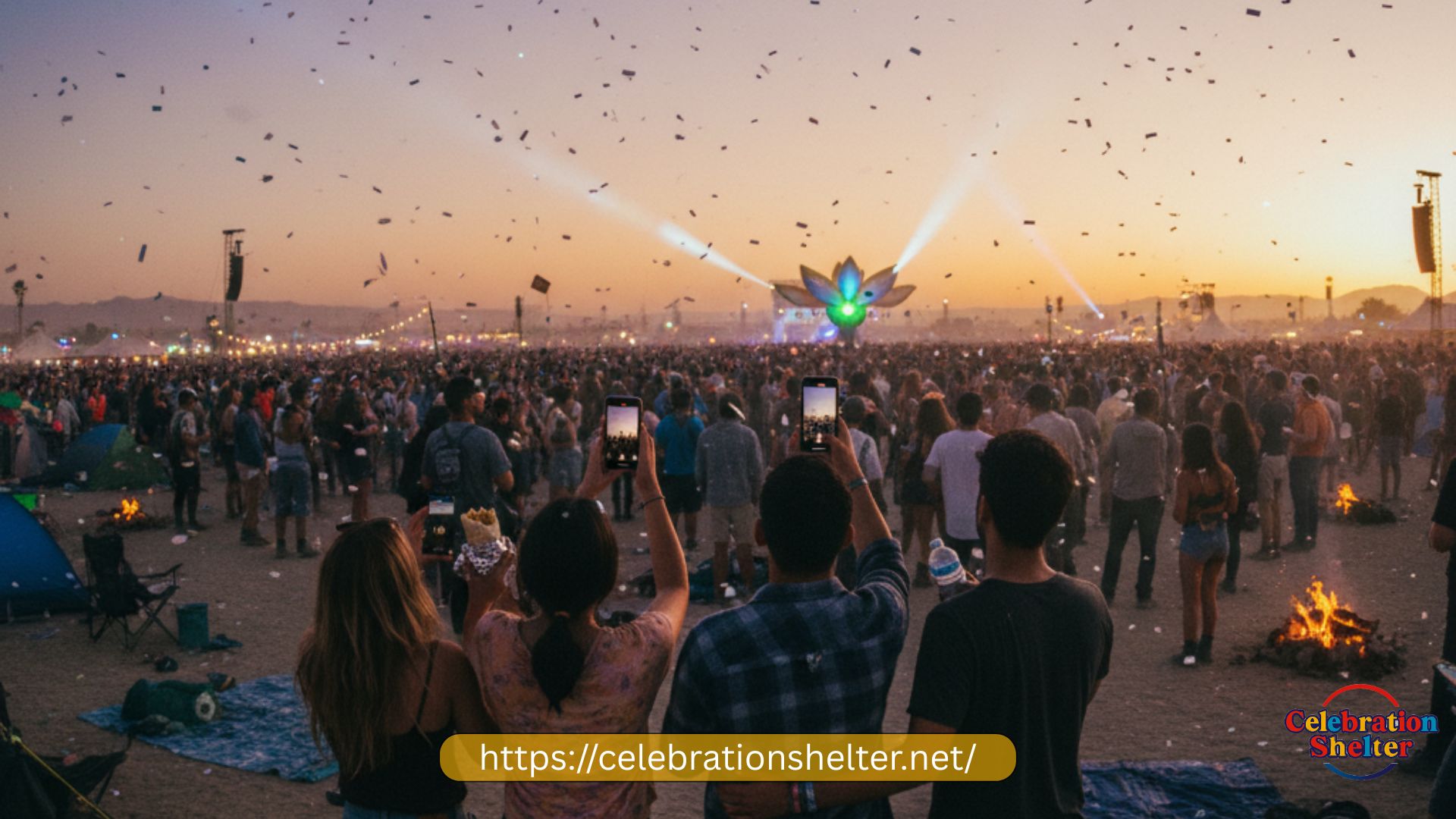
Planning a festival or community event brings excitement but also big responsibility. There are countless details to manage, from setting goals to booking entertainment, and every step matters.
Many organizers make the mistake of waiting too long to map out the process. Without a clear plan, tasks pile up and stress grows. A well-structured timeline keeps everything on track and avoids last-minute surprises.
This guide walks through each stage of the festival and event creation timeline. Follow it step by step and you’ll have a smoother planning process and a more successful event day.
The Earlier You Start Planning a Festival the Better
Getting an early start sets the foundation for a successful festival. Long lead times give you space to secure the right venue, attract strong sponsors, and build awareness through marketing. By starting nearly a year in advance, you avoid rushed decisions and create room to handle unexpected challenges. The earlier you plan, the smoother your festival experience will be.
8–12 Months Before the Festival
Create goals, objectives and KPI’s (key performance indicators)
Every festival begins with a clear vision. Before contacting performers or securing permits, outline what you want to achieve. Goals might include ticket sales, community engagement, or brand awareness for sponsors. Objectives should be measurable, and key performance indicators give you the benchmarks to track progress. For example, set a target for attendance numbers or a revenue goal from vendors. Writing these early helps guide every decision that follows.
Determine your initial festival budget
Budgeting is the backbone of festival planning. At this stage, build a flexible budget that covers more than just entertainment. Include costs for permits, staffing, equipment, insurance, and promotion. As the months go by, update your budget with new quotes or sponsor contributions. Treat this document as a living plan that shifts as details change. By starting early, you reduce the risk of surprise costs and gain control over financial decisions.
Secure a venue that fits your festival planning needs
Choosing the right location sets the tone for the entire event. Outdoor music festivals often need wide open spaces, while film or food festivals may need indoor venues. Visit possible sites and consider capacity, amenities, and accessibility. Multi-day festivals should also provide lodging options nearby. Venues book quickly, so finalize one as soon as possible. Once secured, begin mapping the layout for stages, vendors, and emergency access. Early site selection also allows enough time for the often slow-moving permit process.
Sponsorship development is often a part of festival production
Sponsorships bring in vital funding and credibility. Identify brands that align with your audience and start outreach months in advance. Local businesses, beverage companies, and regional banks often sponsor community events. Develop packages that show what sponsors gain in return, such as logo placement or booth space. Early negotiations give both parties time to agree on terms and integrate sponsor promotion into your marketing plan. Strong sponsor relationships often grow into long-term partnerships that benefit future festivals.
6–12 Months Before the Festival
Event website
Your website is the hub of festival information. Launch it as soon as the date and venue are confirmed. Keep the design simple and mobile-friendly since many visitors will browse on phones. Include essential details like location, dates, entertainment lineup, and ticketing information. Over time, expand the site with FAQs, maps, and updates. Every online ad, social media post, or press release should point readers back to the website, making it a central resource for attendees.
Online event promotion
Digital promotion builds awareness long before the gates open. Use social media platforms your audience already loves. Share behind-the-scenes content, early bird ticket offers, and performer announcements. Paid ads can reach new audiences, while regular organic posts keep followers engaged. Build an email list for updates and ticket promotions since email remains one of the most effective sales channels. Consistent online visibility ensures that your festival stays top of mind as the date approaches.
Offline promotion
Even in the digital age, offline marketing remains powerful. Posters, flyers, and banners placed in high-traffic areas reach local audiences. Partner with community centers, schools, and local radio stations for added exposure. Street teams can spread word-of-mouth buzz by attending related events and handing out promo materials. Choose channels that match your target audience. A mix of both online and offline promotion maximizes reach and improves ticket sales.
Booking festival entertainment
Entertainment often defines the festival’s identity. Secure headlining acts nine months in advance, especially for popular artists with busy schedules. Regional or local acts can be booked later, but do not delay too long. Early bookings also allow performers to be featured in your promotion efforts, giving you credibility with potential ticket buyers. When negotiating, clarify rider requirements such as sound equipment, travel, or lodging. Locking in acts early prevents last-minute scrambles and keeps the event on track.
6 Months Out from the Festival
Entertainment booking
By six months out, your entertainment roster should be nearly complete. Confirm contracts, set deposits, and coordinate schedules. If the budget allows, add variety such as circus performers, comedians, or cultural acts. If money is tight, consider inviting community groups to perform in exchange for exposure. Solidifying the entertainment lineup at this point gives your marketing team content to promote and reassures attendees that the event will deliver on its promises.
Online ticketing platform
Cash flow is vital during the final planning months, and advance ticket sales make it possible. Partner with a reliable online ticketing service that works smoothly on both desktop and mobile. Offer tiered pricing such as early bird discounts to encourage early purchases. Monitor sales trends and adjust promotion strategies to boost weaker areas. Advance ticketing not only funds expenses but also helps predict crowd size for staffing, security, and vendor planning.
1 to 3 Months Out from the Festival
Festival production
The last few months are about execution. Confirm vendor contracts, finalize staff schedules, and coordinate volunteers. Create a master checklist that includes sound checks, sanitation, parking, and first aid stations. Share maps and instructions with performers, vendors, and staff to reduce confusion on event day. This stage requires constant communication with all involved parties to make sure every detail is ready.
Advancing the show
Advancing is the process of confirming artist needs before arrival. Work directly with performers to finalize technical requirements, transportation, lodging, and hospitality. Send them a schedule with arrival times, sound checks, and performance slots. These conversations prevent confusion and make artists feel cared for, which often leads to smoother shows and positive relationships for future events.
Security plan
Safety cannot be left to chance. Work with professional security teams to build a comprehensive plan that covers crowd control, emergency exits, weather risks, and food safety. Share the plan with local police, fire departments, and medical teams. Train staff and volunteers so everyone knows what to do in an emergency. A strong security strategy builds trust with attendees and helps prevent serious problems during the festival.
Event insurance
Insurance protects you from unexpected issues such as accidents, cancellations, or property damage. Coverage types vary, so compare policies carefully. Many venues require proof of insurance before contracts are finalized. Factor this into your budget early to avoid last-minute stress. Having the right coverage ensures financial protection and peace of mind for both organizers and sponsors.

After Planning a Festival: It’s Time to Enjoy It!
When the gates finally open, months of preparation come to life. Challenges will appear, but strong planning reduces the chaos. Walk the grounds, greet vendors and performers, and solve problems as they arise. Take time to thank sponsors, volunteers, and staff for their hard work.
Use announcements to thank the audience and promote future events. After the festival ends, collect feedback, review financial results, and document lessons learned. Share reports with stakeholders and sponsors to maintain strong relationships. Most importantly, start thinking about next year. Continuous planning and reflection keep your festival growing and improving.
Frequently Asked Questions
How far in advance should I start planning a festival?
Start planning at least 8 to 12 months in advance. Early planning gives you time to secure venues, book talent, and build strong marketing campaigns.
What are the first steps in festival planning?
Begin by setting clear goals, defining your target audience, and creating a budget. These steps guide all future decisions.
Why is budgeting important for a festival?
A budget helps control costs and avoid surprises. It ensures you allocate money for key areas like entertainment, permits, marketing, and staff.
When should I book entertainment for a festival?
Headliners should be booked 6 to 9 months in advance. Smaller acts can be added later, but early booking helps with promotion.
How do I promote a festival effectively?
Use a mix of online and offline marketing. Social media, email campaigns, and paid ads work well online, while posters and local partnerships help offline.
What should be included in a festival website?
Include event dates, location, lineup, ticket details, and FAQs. Keep it simple and mobile-friendly for easy access.
Why is a security plan important for festivals?
A security plan ensures the safety of attendees, staff, and performers. It covers crowd control, emergency response, and risk management.