How to Become Outdoorsy in 8 Easy Steps Even for Homebodies
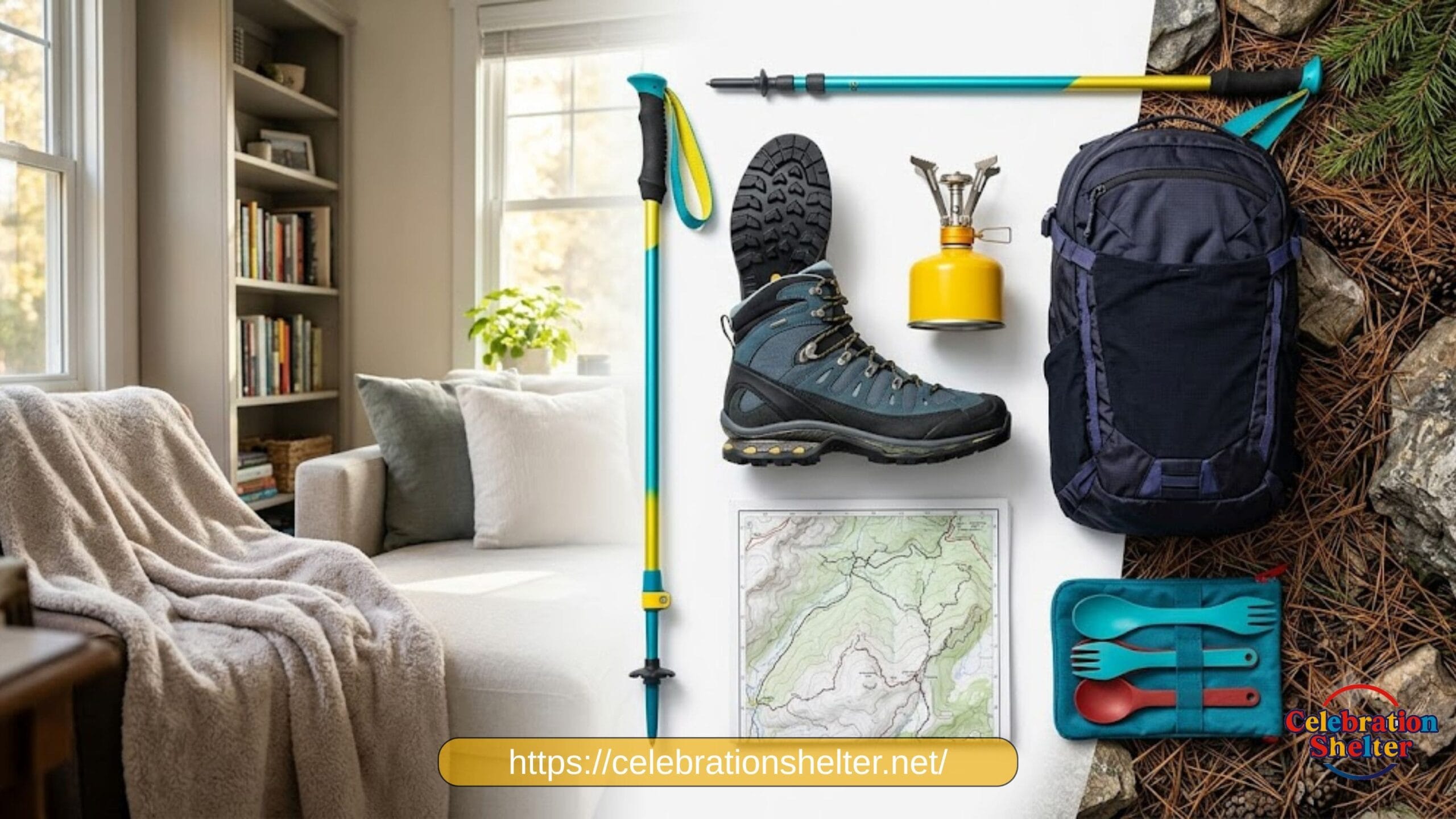
Spending Saturday nights streaming your favorite series and perfecting the architecture of blanket forts is an elite skill. But let’s face it—at some point, a well-meaning friend or family member is going to try to drag you into “the great outdoors.”
The excellent news: transitioning into a more outdoorsy lifestyle does not require high-intensity survival training, a sudden flannel obsession, or pretending to love bugs. It simply takes a few small, smart adjustments that ease you out of your indoor comfort zone and into the fresh air. This guide serves up a practical, low-pressure framework to help you navigate nature comfortably without needing to become a professional backcountry influencer overnight.
Start Small, Like Really Small
Becoming an active participant in nature does not mean booking an immediate backpacking expedition across the mountains. For dedicated homebodies, building a connection to the outdoors works best when you eliminate steep expectations. A simple ten-minute walk around your immediate neighborhood block or sitting quietly on a park bench with your favorite headphones counts as a solid victory.
The primary objective during your early steps is to normalize the sensory experience of fresh air without triggering physical fatigue. By focusing on low-stress environments, you build positive associations with being outside while comfortably eliminating excuses.
Gear Up Without Selling a Kidney
You do not need to drop a massive chunk of your savings at high-end specialty retail outlets just to touch grass. The outdoor industry loves to broadcast the narrative that you require $400 technical hiking boots and complex mountaineering apparel, but standard, broken-in running sneakers and comfortable leggings or gym shorts you already own are entirely perfect for beginner trails.
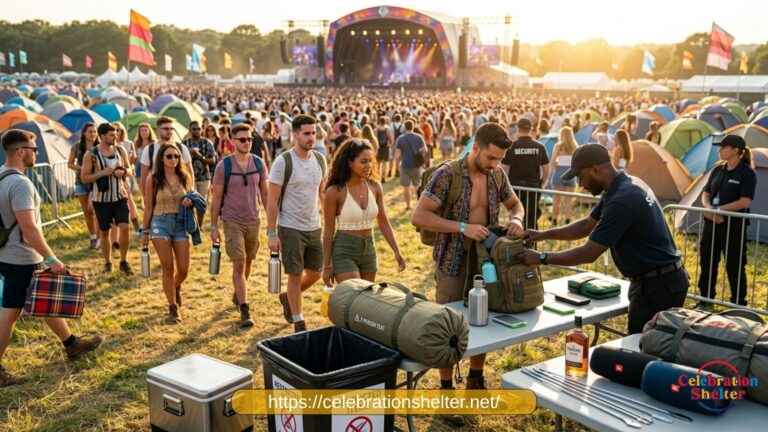
Focus your early preparation on baseline physical utility rather than fashion modeling. Choose loose, flexible garments that permit a full range of movement. If your outdoor route eventually leads you toward larger regional events or open-field valley spaces, you can easily scale up your wardrobe with functional protective templates like our ultimate music festival outfit guide to stay comfortable all day.
High-Stamina Snacks Are the Real Motivation
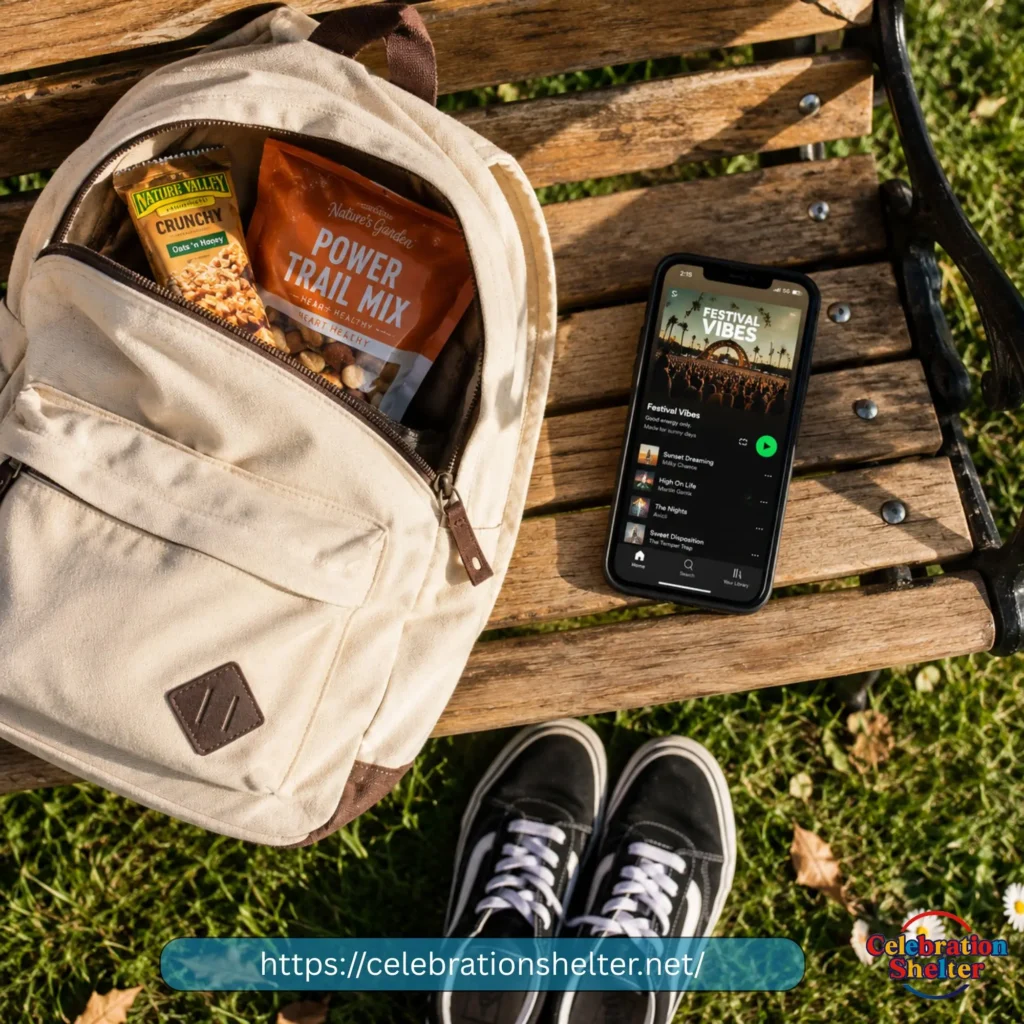
Never underestimate the psychological power of clean caloric bribery. Packing a dedicated stash of high-utility pocket snacks that you genuinely look forward to eating turns any local nature trail into a highly rewarding destination.
Durable fuel options like protein-bars, raw trail mixes, and sun-proof beef jerky are exceptional choices because they occupy minimal baggage volume and handle shifting ambient temperatures without melting or spoiling. If you want to master the art of organizing a full camp kitchen or low-prep menu for extended outdoor weekend trips, review our dedicated festival food packing guide for smart meal planning ideas.
Layer Your Wardrobe Like an Onion
Outdoor climates are inherently moody, experiencing rapid thermal swings as cloud cover shifts or breezes pick up. Implementing a disciplined, multi-tier clothing framework is the ultimate secret weapon to maintaining absolute physical comfort across variable topsoil.
Start with a lightweight, moisture-wicking base tee, supplement it with a warm fleece hoodie, and cap the framework off with a compact, packable windproof outer shell. Having layers ready ensures you can adapt instantly to changing conditions, completely preventing sudden shivering fits while looking like an experienced veteran who understands field logistics.
Recruit a Trusted Nature Guide
Stepping out into unfamiliar trail networks entirely on your own can feel slightly intimidating for a seasoned homebody. Banish situational anxiety by inviting a patient friend who already loves spending time in nature to anchor your early journeys.
A trusted companion acts as a personal guide, navigating local trail maps seamlessly and ensuring you don’t take an accidental wrong turn. Furthermore, learning to identify local flora is significantly more fun with backup, and a supportive buddy won’t laugh when you struggle to tell distinct tree species apart. If you eventually decide to challenge yourself by traveling to a destination gathering alone to build self-reliance, cross-reference our best solo music festival guide to master field networking and integrate with cohorts effortlessly.
Choose Fun Activities, Not Forced Marches
If you force yourself to execute grueling, steep vertical climbs that sound completely miserable to your lifestyle, you will never build a lasting outdoor habit. Being an outdoor enthusiast does not restrict you to intense hiking; nature is accessible through dozens of diverse, low-stress recreational channels.
Try scheduling a relaxed afternoon picnic with friends, playing a casual game of frisbee on a wide lawn, or taking a slow bike ride along flat paved paths. The outdoors is comprehensively anywhere the building walls disappear and the Wi-Fi drops. Focus exclusively on activities that feel like an escape rather than a mandatory chore.
Leverage Technology to Bridge the Gap
Your personal smartphone belongs outside just as much as your hydration flask. Technology serves as an exceptional structural bridge, transforming the wilderness from a scary, confusing space into a highly accessible playground.
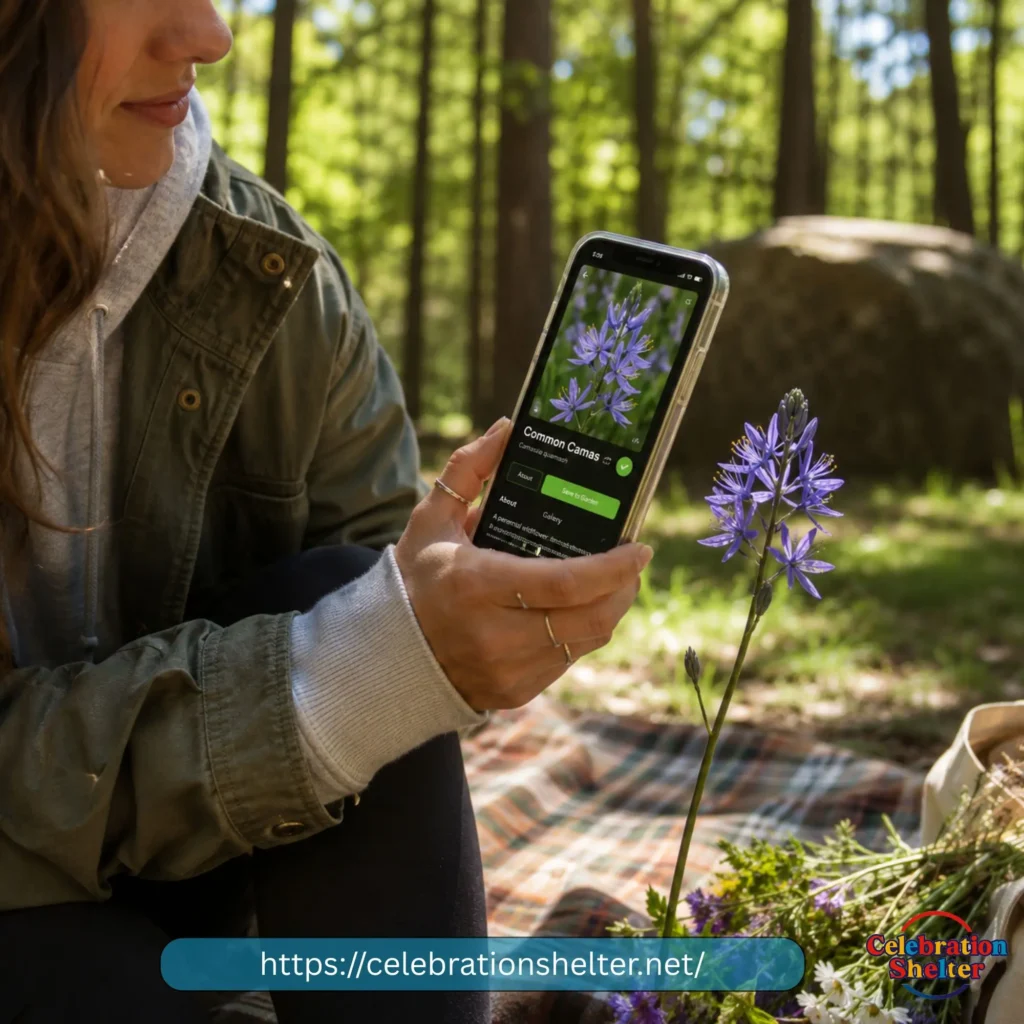
Download intuitive trail navigation maps, use digital plant and bird identification applications to gamify your walks, or simply queue up an inspiring music playlist to sound-track your stroll. Utilizing digital orientation apps counts as smart modern wilderness survival, ensuring you maintain a secure anchor to safety while building your confidence across new terrains.
Celebrate Your Tiny Milestones
You do not need a collection of extreme mountaintop photos to validate your status as an outdoorsy individual. Walking a simple half-mile loop, trying out a kayak on a calm lake, or simply committing to eating your weekday lunch outside on a park bench are all highly significant wins.
Track and celebrate your progress consistently, no matter how small it may appear compared to social media travel channels. The absolute goal of this lifestyle transition is not to become an extreme survival specialist; it is simply to clear your mind, move your body, and actually enjoy the open air.
Spatial Planning & Technical Gear Integration
Ensuring proper technical coordination keeps your outdoor excursions completely aligned with standard travel lines. If your chosen route involves stepping onto muddy valley trails, dense forest paths, or changing terrain grids, protect your feet from painful friction blisters by auditing our specialized directory of the best camping boots for festivals to choose durable footwear.
To see what other lightweight, high-utility tools you should slip into your daypack to stay perfectly organized and hydrated on the move, review our curated checklist of festival go bag essentials for weightless gear ideas. To ensure you never pack unapproved or overly bulky materials that complicate your travel gates, check out our master manual on music festival what not to bring to strip out restricted items. Planners establish technical travel milestones early, using the correct event creation timeline options to secure all entry passes cleanly.
Final Thoughts
Transitioning into an outdoorsy person does not mean you have to replace your cozy indoor movie nights with intense wilderness pilgrimages. It is simply about dipping a toe into the fresh air, stepping away from digital screens for a moment, and realizing that nature is incredibly welcoming when approached on your own terms. Take the process slow, keep your daypack light, and treat the outdoors like a massive living room without walls.