Fire Safety at Festivals: Essential Equipment and Prevention Tips
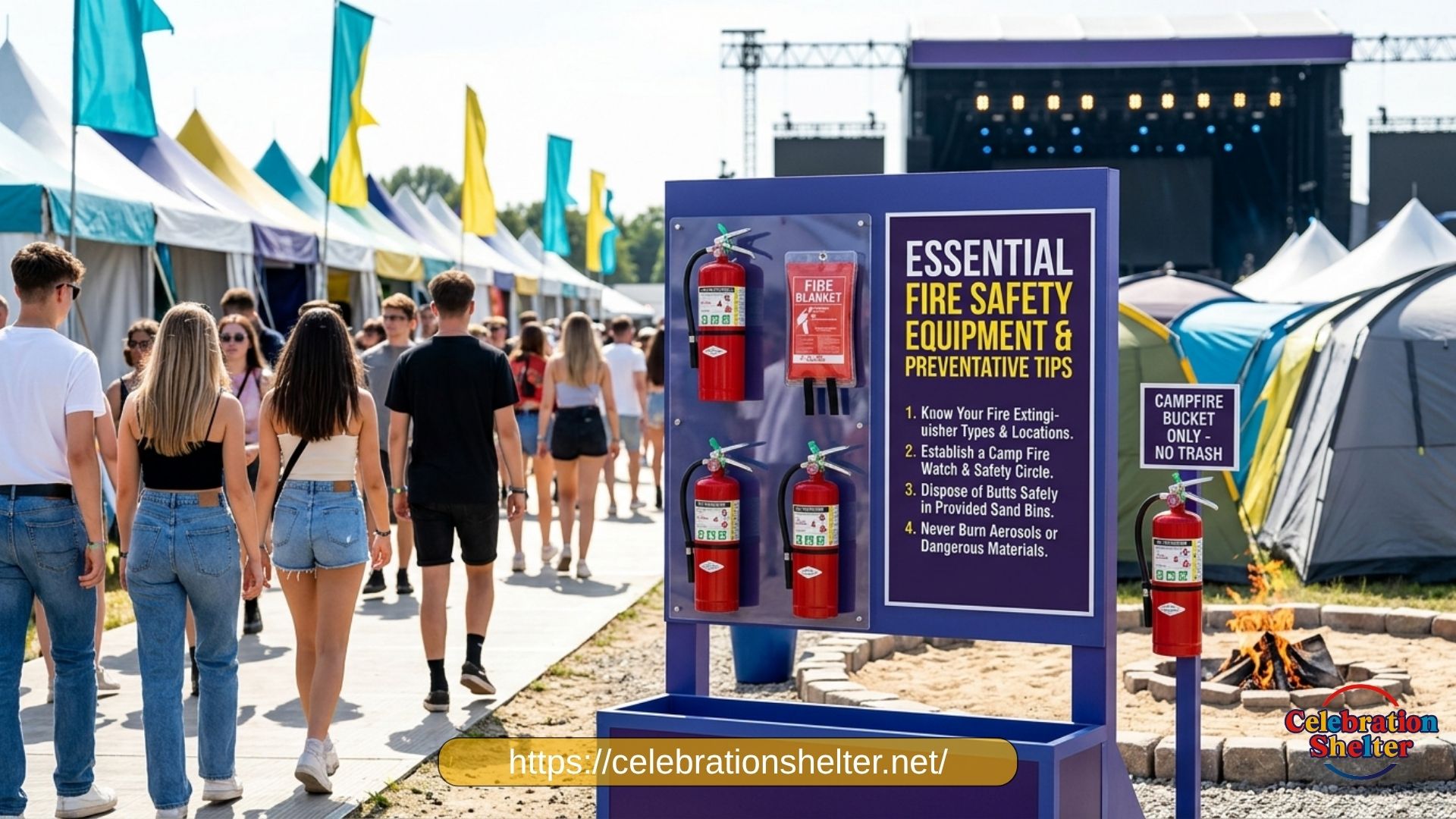
Festivals bring excitement, live music, and unforgettable experiences, but they also come with serious administrative and operational responsibilities. Fire is one of the greatest structural risks at any large outdoor gathering. Without proper precautions, a minor spark can rapidly escalate and endanger thousands of lives within minutes.
Organizers must balance high-end entertainment with rigid public safety, ensuring attendees enjoy themselves in a secure, compliant environment. Planning ahead, training field staff, and deploying the correct safety gear is not optional—it is the foundation of running a successful, sustainable event. Implementing a calculated music festival guide structural layout ensures that your hazard reduction strategies are deeply woven into your primary site logistics. This guide explores festival fire safety in detail, from matching extinguisher types and local regulations to tactical evacuation maps and prevention strategies.
Understanding Fire Risks at Festivals
Outdoor seasonal festivals combine high-density crowds, temporary canvas installations, and intense electrical infrastructure. This unique mix can create severe fire hazards if left unmanaged:
- High-Voltage Stages: Faulty wiring, uncertified distribution boxes, and overloaded circuits near main stages can trigger electrical arcs.
- Commercial Kitchens: Open flames, liquid petroleum gas (LPG) canisters, and high-heat cooking oils from food trucks present immediate ignition risks.
- Campground Zones: Attendees utilizing portable gas stoves, lighting lanterns, or building uncontrolled campfires across open grass fields.
- Substance Dynamics: Improperly discarded cigarettes in dry grass clearings or crowded performance tents.
- Special Effects: Massive fireworks displays and high-energy stage pyrotechnics executed without expert, certified technician oversight.
In dry, arid summer periods or windy autumn conditions, even a microscopic flame can spread across a line of synthetic nylon tents or decorative fabrics. By analyzing these specific risk profiles early, production teams can deploy protective mitigation strategies before the gates ever open.
Fire Extinguishers at Festivals: Matching Gear to Hazards
Selecting the Correct Chemical Agents
Deploying the wrong extinguishing agent onto a specific hazard can dramatically accelerate a fire rather than suppress it. For example, applying a standard water stream onto a deep-fat commercial fryer oil fire or an active high-voltage electrical panel will trigger a catastrophic explosion or severe electrocution. Organizers must maintain a balanced, highly specialized inventory across the venue layout:
- Water Extinguishers: Deployed strictly for Class A risks, including canvas tents, fabrics, wooden structural framing, and dry agricultural topsoil.
- Carbon Dioxide (CO₂) Extinguishers: Highly essential for Class C electrical fires near lighting rigs, main sound reinforcement setups, and heavy generator panels.
- Foam Extinguishers: Ideal for suppressing class B liquid-based fires, including fuel storage tanks and generator refueling stations.
- Wet Chemical Extinguishers: Mandatory for all commercial food vendor stalls where high-temperature cooking oils and fats are present.
High-Risk Allocation Points
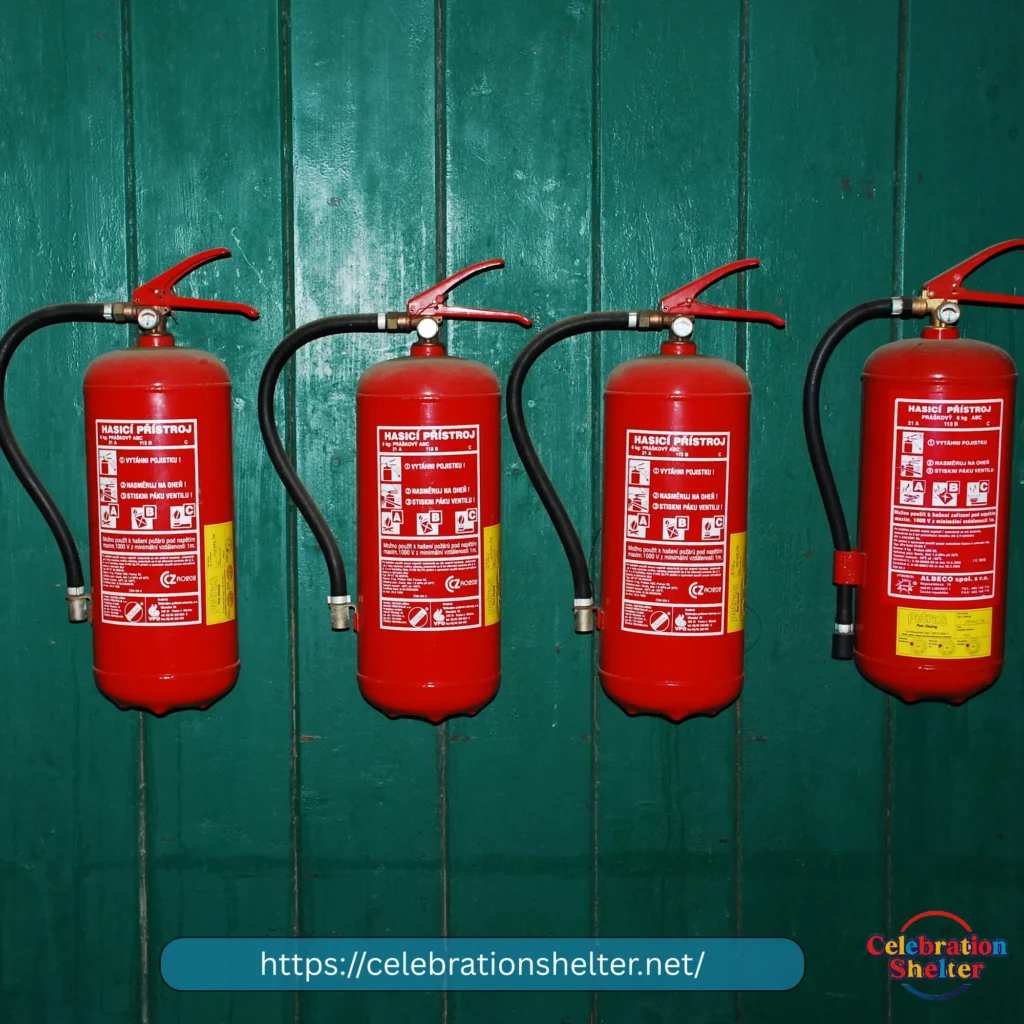
Extinguishing hardware must be stationed prominently where immediate risks are highest. Ensure clear coverage across all main production stages, electrical compounds, artisan food courts, and public camping zones. Every single terminal station requires highly visible, elevated signage so staff, volunteers, and attendees can isolate the safety gear instantly from a distance.
Commercial Equipment Hire Models
Purchasing hundreds of independent chemical cylinders is rarely practical for temporary event lifecycles. Utilizing dedicated professional hire services delivers a highly cost-effective path. These comprehensive packages handle heavy logistics, multi-point ground deployment, and post-event removal while ensuring all hardware arrives fully tested, pressurized, and compliant with current municipal fire codes.
Meeting Structural Fire Codes and Legal Regulations
Festival production companies hold a strict, legally binding duty of care over public safety. Local municipal laws mandate the execution of exhaustive risk assessments, the positioning of certified safety hardware, and the presence of trained emergency personnel on site. Failing to meet these legal parameters can result in immediate venue closures, heavy financial fines, or criminal negligence charges if a preventable incident occurs. To verify your macro compliance boundaries across massive open-field operations, consult our master festival safety tips manual to insulate your tracking metrics safely.
Building a collaborative, transparent relationship with regional fire marshals and local safety authorities is incredibly vital. Invite inspectors to review your digital site blueprints, examine vendor electrical systems, and audit your emergency protocols months before the launch date. This professional cooperation guarantees lightning-fast emergency response transit paths and ensures all local administrative permits clear seamlessly.
Essential Safety Equipment Deployment and Setup
- Adequate Grid Coverage: Position hardware systems strategically according to specific square-footage ratios. Ensure the absolute travel distance needed to reach an extinguisher from any point inside a structural pavilion is minimized. Every cylinder must rest securely on a visible stand rather than sitting loosely on the ground.
- Certified Flame-Retardant Materials: Temporary stage setups, experiential structures, vendor stalls, and large canopy tents must utilize flame-retardant synthetic fabrics. Production teams must mandate that all external suppliers present certified laboratory safety sheets before approving any physical builds.
- Unobstructed Fire Lanes: Blocked exit paths or vehicle gates can prove fatal during crowd panics. All dedicated emergency vehicle transit lanes, pedestrian exit arches, and medical gates must remain completely unobstructed. Instruct your security workforce to execute continuous sweeps to ensure no delivery trucks or production gear blocks these lifelines. To protect your heavy transit paths from transforming into mud traps during emergency access loops, check out our insights on ultimate festival ground protection and flooring to preserve your ground turf.
Creating a Comprehensive Festival Fire Safety Plan
Executing a Rigid Risk Assessment
A meticulous, multi-point fire risk assessment isolates potential hazards long before the first ticket asset is scanned. This document analyzes every moving piece of the venue—including artisan vendor LPG connections, high-voltage stage wire layouts, fuel storage zones, and crowd flow bottlenecks. This assessment dictates the exact placement of safety assets and shapes your emergency evacuation procedures.
Training and Fire Watch Teams
Isolate a dedicated Fire Watch Team consisting of certified personnel whose sole operational task is monitoring structural hazards. These safety teams patrol high-risk sectors, audit vendor setups, and intercept violations immediately. Concurrently, distribute short, high-impact safety briefings to all volunteers, staff members, and vendors using advanced internal communications. If you manage a massive multi-tier workforce across several fields, utilizing a professional event staff scheduling software ensures your safety teams remain perfectly deployed across all active shifts.
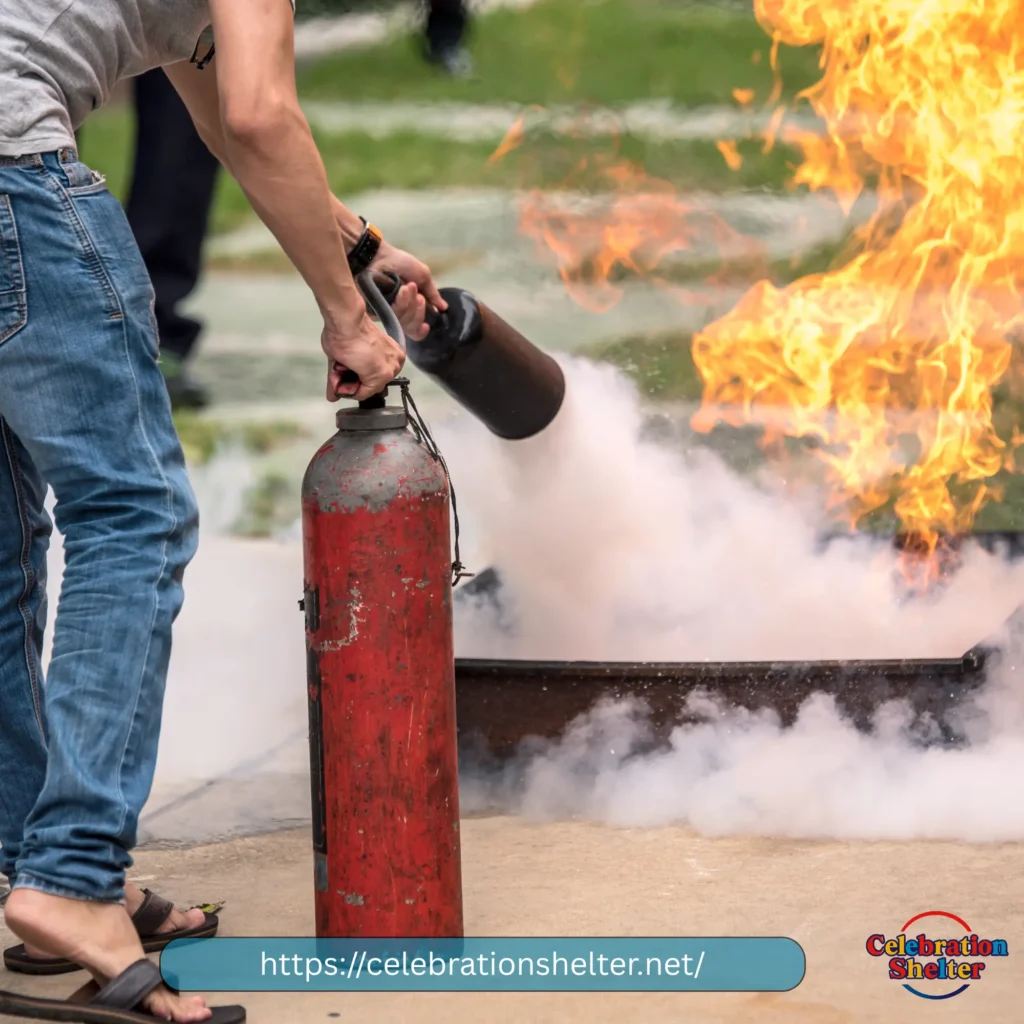
5 Foundational Fire Prevention Tactics for Festival Organizers
1. Execute Site Testing Early
Complete comprehensive engineering inspections, physical fire drills, and safety marshal walkthroughs well ahead of the official opening day.
2. Position Gear with Absolute Precision
Map every single extinguisher, warning horn, and water storage tank accurately. Distribute these detailed safety coordinates digitally to all field supervisors.
3. Minimize Stage and Kitchen Vulnerabilities
Test all temporary electrical distribution boards thoroughly. Ensure every commercial kitchen stall carries a heavy-duty fire blanket and an independent wet chemical unit.
4. Maintain Open Communication Lines
Inform your attendees regarding venue rules continuously. Utilize clear directional signs, large video wall announcements, and printed guides to explain emergency routes cleanly.
5. Update Risk Metrics Continuously
Event footprints change as attendee capacities scale over time. Review and update your data-driven risk profile annually to adapt cleanly to changing venue layouts, new stage structures, or extreme summer heat indices.
Worst-Case Scenario Engineering: Evacuations & Redundancy
Even the most rigorous prevention protocols cannot eliminate environmental risks entirely. A clear, heavily rehearsed emergency evacuation plan is an absolute necessity. All pedestrian escape paths must feature continuous low-level illumination, and dedicated safety personnel must be positioned at key intersections to direct crowd flows smoothly.
During an active fire incident, primary electrical grids and local mobile networks can experience instant failure. Organizers must maintain independent, battery-powered backup communication systems—including multi-channel two-way radios and satellite links. Deploying redundant data channels ensures that critical safety instructions reach response teams accurately during high-stress situations. If your administrative task force manages ticketing structures, legal permits, and vendor contracts from the initial planning phase, ensure your timelines are structured correctly. Check out our event creation timeline index to secure all local regulatory milestones without friction.
Shared Interpersonal Responsibility
Public safety cannot rest exclusively upon the production workforce; it requires a shared commitment across the entire festival community. Ensure all food truck owners sign strict structural compliance agreements before allowing them to tap into site power lines.
Furthermore, push clear safety metrics to your camping crowd. If your venue features multi-day campgrounds, ensure your guests review a master camping festival checklist to keep their personal layouts safe, clear of fire vectors, and fully optimized. If out-of-town management or artist tracking teams settle outside the primary venue grid, verify local property safety rules before booking or sharing an Airbnb node. If you want to review the exact technical execution for publishing your security rules and building a highly professional public portal, evaluate our festival website with WordPress setup guide to launch your information lines.
Final Thoughts
Festivals thrive on creative expression, deep community energy, and musical joy, but rigorous safety infrastructure is what makes those beautiful moments possible. Treating fire prevention as an essential foundation rather than a simple afterthought protects your attendees, preserves your field equipment, and insulates the long-term reputation of your production brand for years to come.