Music Festival Guide: How to Choose the Best Event
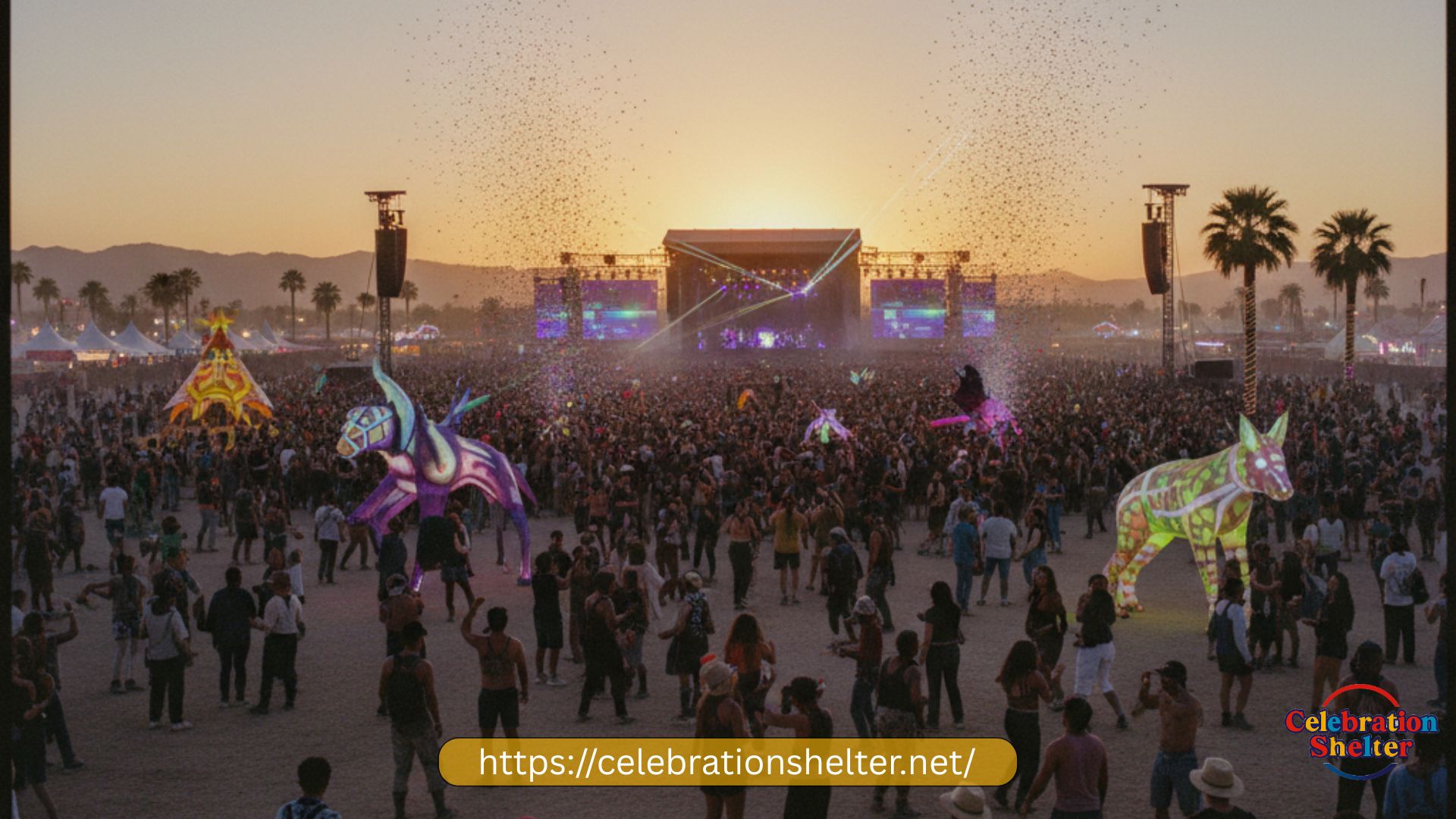
Crowds gather every year for festivals that celebrate music, food, film, and more. Each one offers a unique way to spend time, meet people, and enjoy culture.
With so many options, the question becomes which type of festival fits you best. Music lovers may want the thrill of live shows, while food fans crave new flavors and dishes. Film enthusiasts, on the other hand, look for stories that spark emotion.
Choosing the right event makes the difference between a good day out and a lasting memory. This guide will help you find the perfect festival match.
Align Passion with Purpose
Every festival has its own flavor. Some bring together massive crowds with music, while others highlight local food, culture, or film. To enjoy the most value, think about what excites you the most and why you want to attend. Passion fuels energy, but purpose helps guide decisions.
For example, if your goal is discovery, a film or art festival might fit better. If connection and social energy are priorities, music festivals can be the answer. Food festivals appeal to those who want to taste, learn, and share. By aligning passion with purpose, the choice becomes clearer and the experience more rewarding.
Music Festivals
Talent and Programming
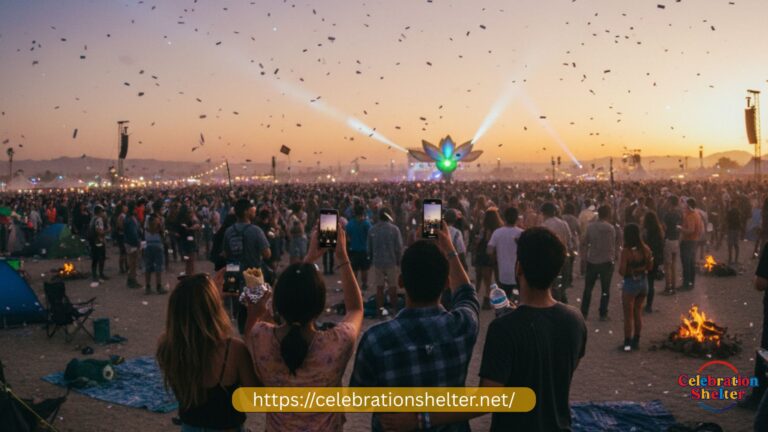
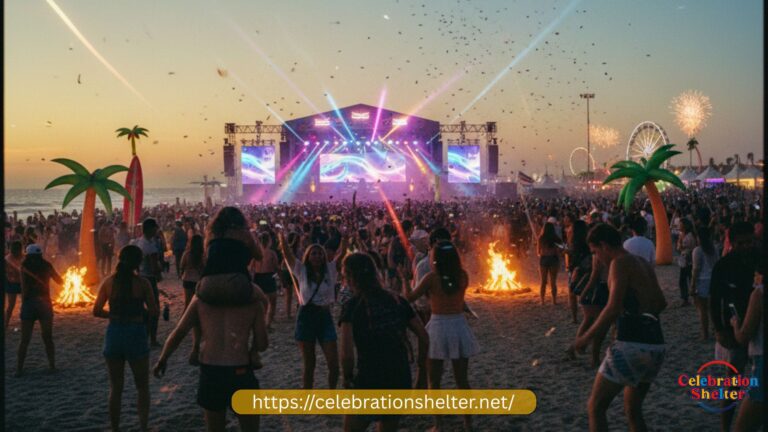
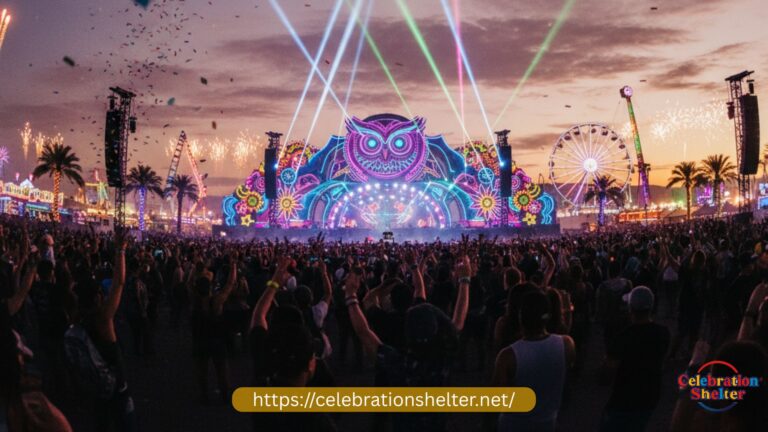
The lineup is the heartbeat of any music festival. Before booking, look at the range of artists and styles. Some events focus on one genre like jazz, EDM, or country, while others bring together multiple styles to draw a wider audience. A strong lineup attracts fans, but the schedule matters too. Spacing out acts, setting performance times, and curating a balanced flow can make or break the experience.
Venue and Sound
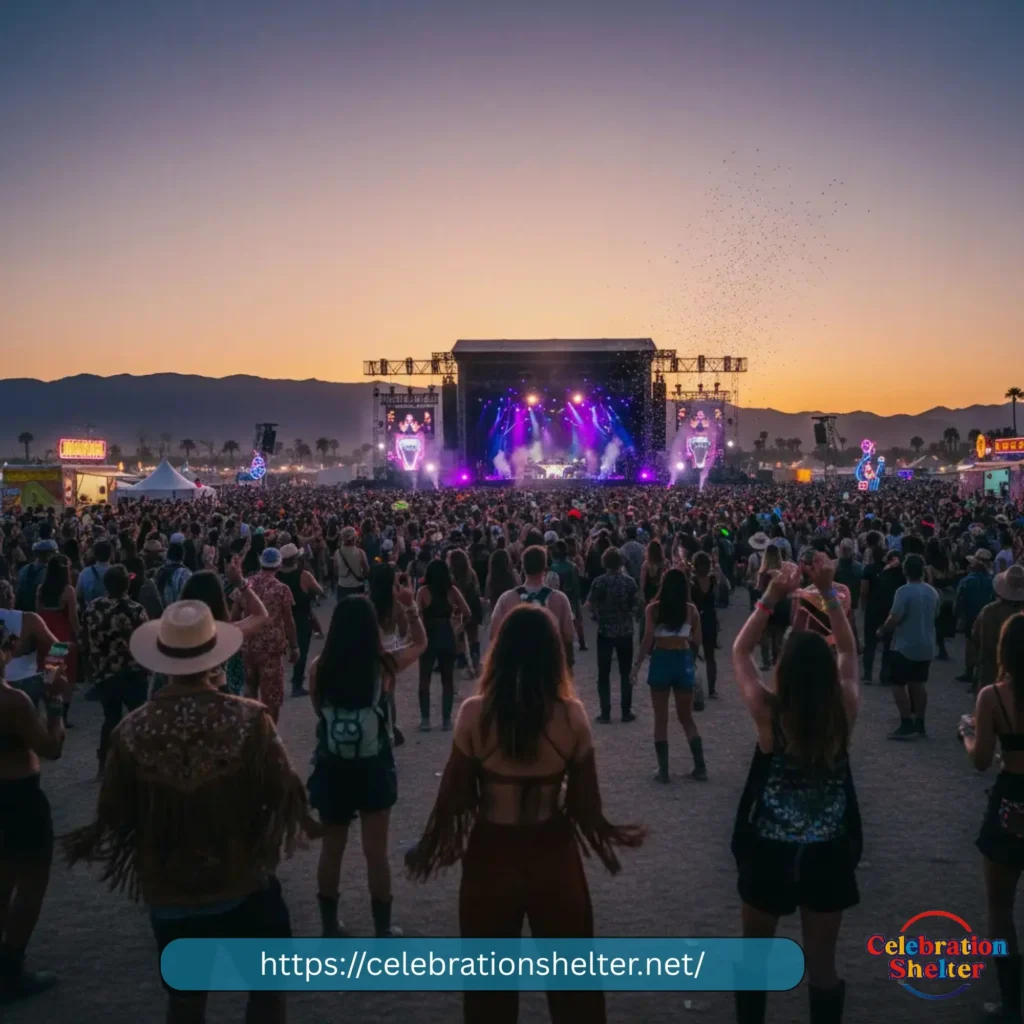
The setting plays a huge role in shaping memories. Outdoor fields offer freedom and scale but depend on weather, while indoor arenas promise consistent sound quality. Good acoustics and professional stage setups make performances shine. Check if the festival invests in quality sound systems and lighting since both can enhance or hurt a show.
Experience Considerations
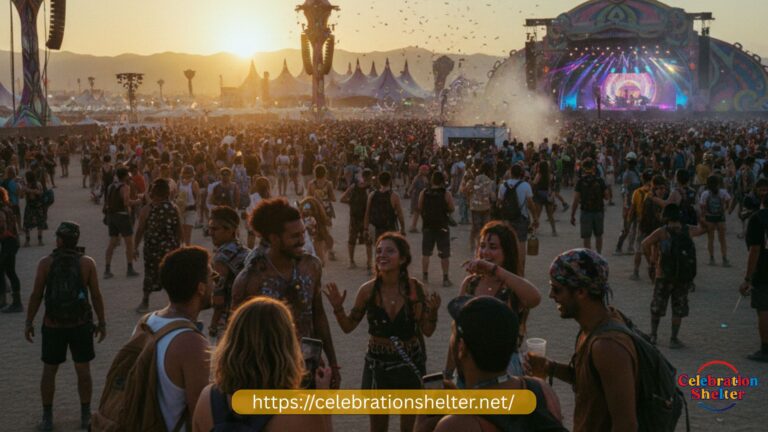
Beyond music, think about crowd size, ticket levels, and extras like art installations or workshops. VIP areas may include shade, seating, or exclusive bars, while general admission gives a raw, energetic feel. Safety, transport, and amenities such as water refill stations also add to the comfort level. Music festivals work best when the details support the joy of live performance.
Food and Drink Festivals
Vendors and Chefs
A food festival is only as strong as its lineup of vendors and chefs. Local restaurants, celebrity chefs, or specialty food trucks can create buzz. A well-curated list ensures variety and freshness. Attendees want both familiar comfort and new tastes to try. Researching the list ahead of time can help you plan must-try stops.
Permits and Health Regulations
Behind the scenes, organizers must meet strict health codes. Vendors follow food safety rules, and inspectors check everything from storage to prep areas. While guests rarely think about permits, these regulations ensure safe dining for all. Choosing festivals with good reputations reduces risks and builds trust.
Serving Format and Tickets
How food is served changes the pace. Some events sell full meals, while others focus on small tasting portions. Ticket formats vary as well. A general entry may include access but no samples, while premium passes often cover tastings. Pick what fits your budget and appetite.
Experience and Education
Food festivals are more than eating. Cooking demos, chef talks, and pairing workshops add value. Guests leave not only with full stomachs but also with new skills and knowledge. The best festivals turn food into an experience that feels both fun and educational.
Film Festivals
Curating Films
Film festivals thrive on curation. Organizers select stories that connect with their audience. Some focus on indie films, while others highlight global cinema or specific themes. As an attendee, you benefit from this filter. Instead of endless options, you see a handpicked list that sparks thought and conversation.
Venue and Technical Needs
Projection quality, seating, and sound design shape the viewing experience. Poor technical setups can ruin even the best films. Reputable festivals partner with skilled technicians and use modern equipment to ensure that films are shown as intended. Venue comfort also matters. From theater chairs to climate control, these details affect how long guests can stay engaged.
Rights and Licensing
Behind the scenes, festivals must secure screening rights. Licensing agreements allow films to be shown legally and protect creators. Knowing this gives attendees peace of mind that the content is authentic and properly supported. Strong festivals respect both artists and audiences.
Audience Experience
Film festivals thrive on interaction. Panels, Q&As, and director talks bring the audience closer to the creative process. Networking also happens naturally as film lovers share opinions between screenings. This blend of learning, viewing, and discussion makes the experience richer.
Cultural and Niche Festivals
Cultural/Heritage Festivals
These events showcase traditions, history, and identity. They may feature music, dance, food, or rituals unique to a region or group. Attending a cultural festival offers a chance to connect with heritage while building cross-cultural understanding. For communities, it’s also a way to preserve and share their roots.
Art and Literary Festivals
For those drawn to creativity, art and literary festivals bring together authors, painters, poets, and thinkers. Exhibits, readings, and workshops give visitors access to fresh ideas. These festivals are often smaller and more focused, which allows for intimate discussions and close contact with creators.
Fan Conventions and Pop Culture Events
Pop culture conventions gather fans around shared interests like comics, gaming, or film franchises. They often feature cosplay, merchandise, panels, and guest appearances. The energy is fueled by passion, and the community atmosphere makes people feel part of something bigger. These niche gatherings show how festivals can be built around almost any interest.
Hybrid and Multi-Genre Festivals
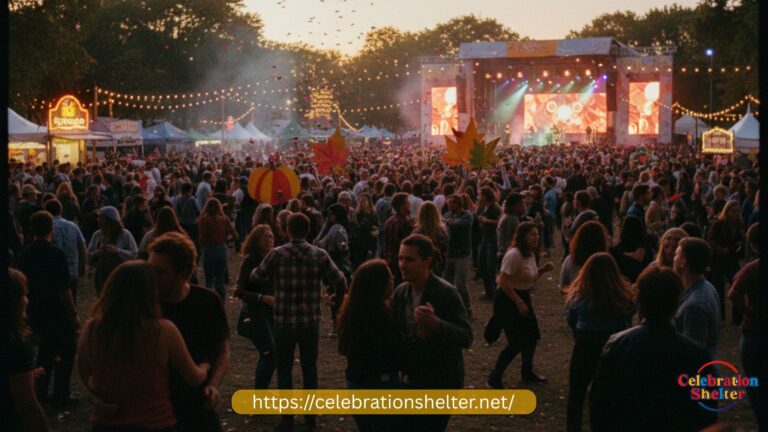
Some festivals refuse to stay in one lane. Hybrid events mix music with art, food, or film. This style creates variety for guests who want more than one focus. Multi-genre festivals work well in large spaces where different zones can highlight different activities. For attendees, this means there’s always something new to explore.
These events also draw bigger, more diverse crowds. Families might enjoy food sections while friends catch live music nearby. The flexibility makes hybrid festivals appealing, though they require more planning to manage time and energy across the options.
Consider Scale and Growth
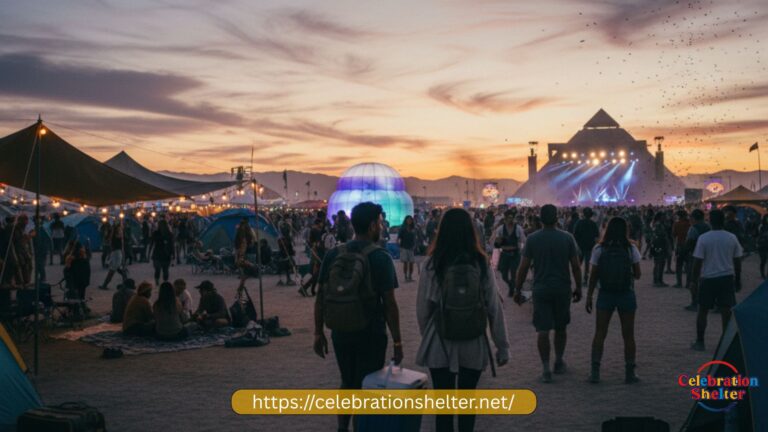
Size impacts everything. A small local festival may feel personal and easy to navigate, while large international events bring star power but bigger crowds. Growth changes festivals too. A once-intimate event can expand into a massive one, sometimes losing the charm that made it special.
Before choosing, think about your comfort with scale. Do you prefer a local vibe where you can meet vendors and artists face-to-face, or do you want the spectacle of headliners and thousands of fans? Matching scale with personal preference ensures you leave with the right memories.
Conclusion
Festivals come in many shapes and sizes, from music and food to film and culture. Each type offers its own rewards, and the best choice depends on what you want from the experience. When passion and purpose align, the day feels more meaningful.
Whether you crave the energy of live shows, the taste of new dishes, the power of stories on screen, or the celebration of culture, there’s a festival waiting for you. Use this guide to match your interests with the right event and create memories that last.
Frequently Asked Questions
How do I choose the right type of festival for me?
Start by thinking about what you enjoy most. If you love live performances, choose a music festival. If you enjoy trying new food, go for a food festival. Your interests will guide the best choice.
What is the difference between music, food, and film festivals?
Music festivals focus on live performances and artists. Food festivals highlight dishes, chefs, and tastings. Film festivals showcase movies along with panels and discussions. Each offers a different type of experience.
Are hybrid festivals better than single-theme festivals?
Hybrid festivals offer more variety since they combine music, food, art, and more. Single-theme festivals provide a more focused experience. The better option depends on whether you want variety or depth.
What should I consider before attending a large festival?
Think about crowd size, location, ticket options, and available amenities. Large festivals offer big performances but can feel crowded and require more planning.
Are smaller festivals worth attending?
Yes, smaller festivals often feel more personal. You can interact more with artists, vendors, and other attendees. They are easier to navigate and less overwhelming.
How important is the venue when choosing a festival?
The venue plays a big role in your experience. Outdoor spaces offer freedom but depend on weather, while indoor venues provide better control over sound and comfort.