
Best Camping Stove Buying Guide: Types, Features & Safety Tips
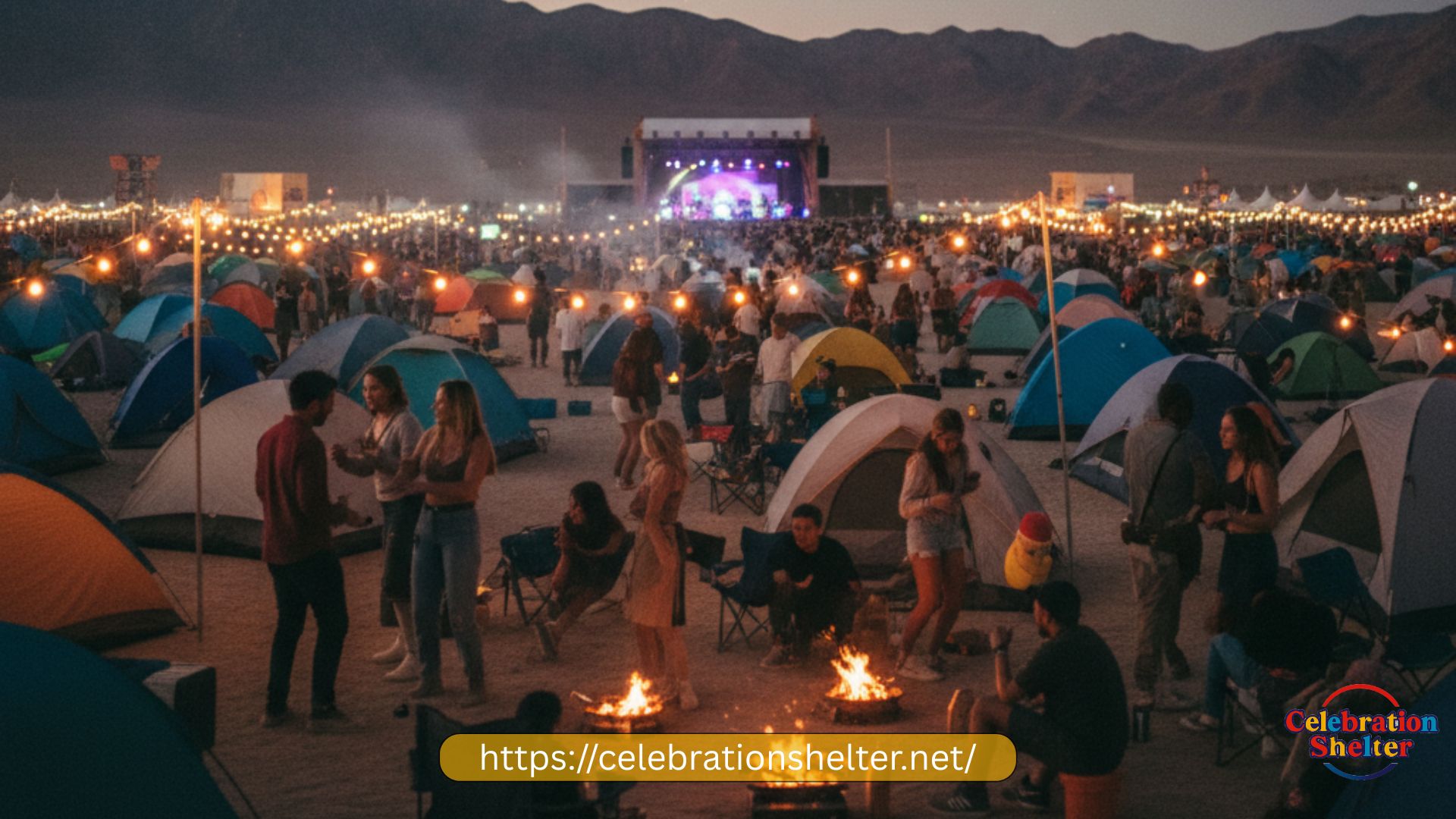
Cooking outdoors turns any camping trip into a memorable experience. A good stove makes that easier, letting campers prepare warm meals no matter where they set up.
Picking the right camping stove can feel tricky since each type works differently. Some suit quick weekend trips, while others handle long adventures or group cooking.
This guide walks through what to look for before you buy. It covers types, features, and practical tips to help you find a stove that fits your camping style and keeps every meal simple and enjoyable.
Types of Camping Stoves
1. Canister Stoves
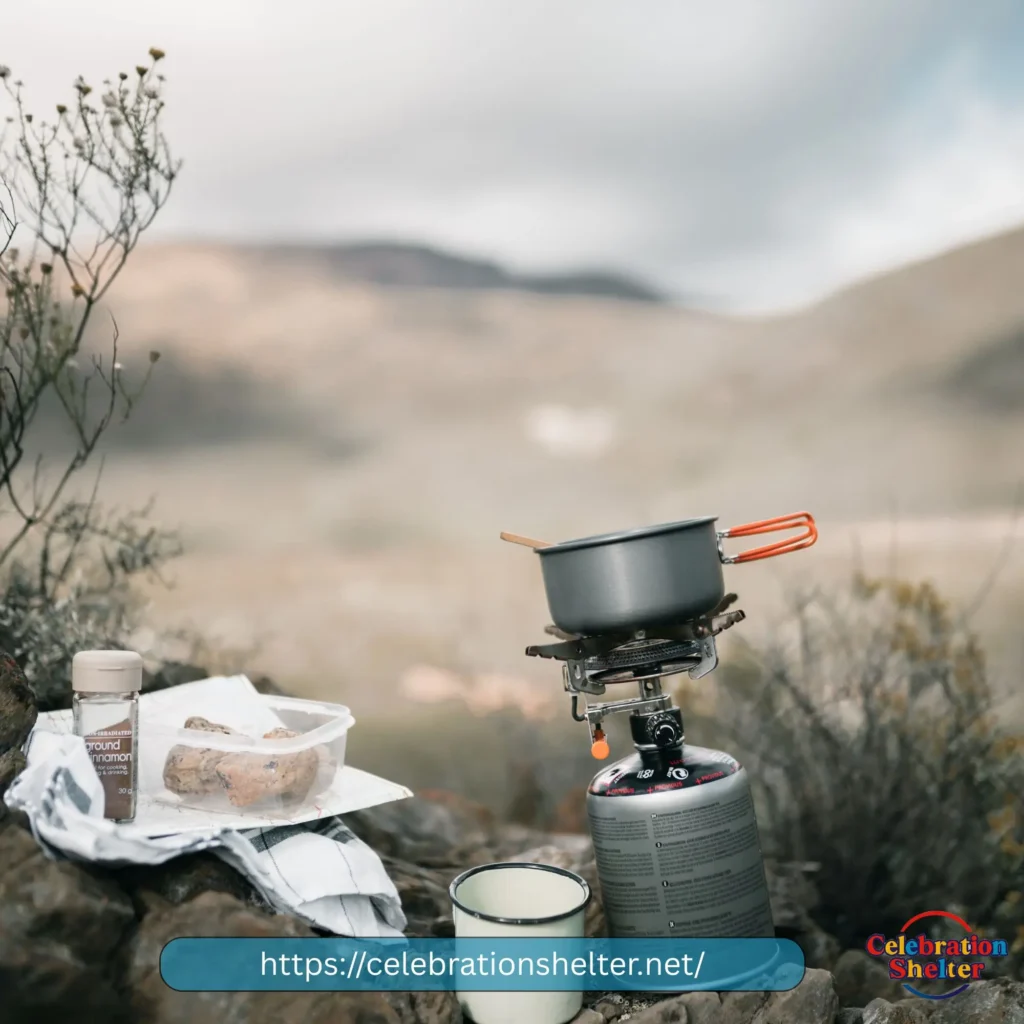
Canister stoves are compact and simple to use. They run on pressurized fuel canisters, usually butane or isobutane mixes. Campers love them because setup takes only a few seconds—just twist on the canister, light it, and you’re ready to cook. These stoves are lightweight and great for solo trips or short hikes.
However, canisters lose pressure in cold weather, which lowers performance. If you camp in the snow, you might need a different stove type or an adapter that helps regulate pressure. Always check that your fuel canister fits your stove model to avoid leaks or wasted gas.
2. Liquid Fuel Stoves
Liquid fuel stoves work well for long or cold trips. They usually burn white gas but can also use unleaded gasoline or kerosene. Since fuel is refillable, they’re cost-effective for frequent campers. These stoves perform better than canisters at high altitudes and in freezing conditions.
The downside is that they need a little setup. You must prime them before lighting, which takes practice. Cleaning and maintenance also take more time, but many serious campers prefer the reliability they offer in any weather.
3. Solid Fuel Stoves
Solid fuel stoves use small tablets made from fuel blocks. They’re ultralight and simple—no moving parts, no pumps, and no canisters. These stoves are popular for backpackers who need a backup cooking option.
They don’t heat as fast as gas stoves, and controlling the flame is harder. Still, they’re a good emergency option since the tablets last long and store easily.
4. Wood-Burning Stoves
Wood-burning stoves use natural fuel such as twigs, pinecones, and small sticks. They’re great for campers who prefer eco-friendly options and want to cut down on carrying extra fuel. The flame gives off a natural campfire feel without using much wood.
The main challenge is finding dry wood in damp weather. Also, some camping areas don’t allow open fires or wood-burning stoves, so always check park rules before bringing one.
Key Features to Consider
1. Weight and Portability
If you hike long distances, every ounce counts. A lightweight stove with a small fuel canister fits easily in a backpack. For car camping, weight isn’t a big issue, so you can pick a larger stove with multiple burners for family meals.
A good rule is to match the stove size to your trip type. Short hikes need compact stoves, while longer basecamp stays can handle bigger setups.
2. Burn Time and Efficiency
Burn time measures how long a stove runs on a full fuel source. Efficient stoves cook faster and use less fuel. Always check the manufacturer’s estimate, but remember it depends on factors like temperature, wind, and altitude.
If you cook often or make big meals, look for stoves with higher BTU (British Thermal Unit) ratings. This tells you how much heat it produces. For simple meals, a lower BTU is fine and saves fuel.
3. Flame Control
Flame control lets you adjust heat from a simmer to a full boil. It’s an important feature for cooking delicate food like rice or sauces. Some compact stoves only have “on” or “off” options, which can burn food.
Look for a control knob that offers smooth adjustment. Dual-burner stoves often have separate controls, giving more cooking flexibility.
4. Stability and Surface Support
Stove stability matters, especially on uneven ground. Choose a model with wide legs or a low center of gravity. A wobbly stove can spill hot food or tip over fuel containers.
If you cook in rocky or forested areas, test your stove on similar terrain before your trip. Adding a heat-resistant mat under the stove can also improve balance and safety.
5. Wind Protection
Wind can quickly ruin your cooking plans by lowering flame heat or blowing it out. Some stoves come with built-in windshields or side panels. If not, you can buy a small folding windscreen.
Wind protection keeps heat focused on your cookware, saving fuel and cooking time. It also helps when camping in open areas like beaches or mountain ridges.
Fuel Types and Storage Tips
1. Gas Canisters
Store canisters in a cool, dry place away from direct sunlight. Heat causes pressure to rise, which can damage seals or cause leaks. Always check for dents or rust before using.
When traveling, pack canisters separately from the stove and keep the valve cap on. Dispose of empty ones properly—many outdoor stores have recycling programs.
2. Liquid Fuel
Keep liquid fuel in approved containers only. Label each container so you don’t mix it up with water bottles. Always refill outdoors and away from open flames.
Before storage, release air pressure from the stove’s pump and clean the fuel line. This keeps the parts in good condition and prevents clogging.
3. Wood and Solid Fuel
If you use wood, collect dry sticks and store them in a small waterproof bag. For solid fuel tablets, keep them sealed since they absorb moisture easily.
Never store fuel near your sleeping area. A small leak or spark can be dangerous in enclosed tents or cabins.
How to Use a Camping Stove Safely
1. Pick a Safe Location
Set your stove on flat ground, at least three feet from tents or flammable items. Avoid cooking inside tents unless it’s an emergency—carbon monoxide buildup can be deadly.
Use a stable surface like a picnic table or a heatproof pad. Check that the area is clear of leaves, dry grass, or branches that could catch fire.
2. Check for Leaks
Before lighting, inspect all connections and hoses. If you smell gas, don’t light the stove. Tighten fittings or replace damaged parts. Testing with soapy water helps—bubbles mean a leak.
3. Light It Properly
Follow the manufacturer’s steps carefully. Open the fuel valve slightly before lighting. Use a long lighter or match to keep your hand away from the burner.
If the stove doesn’t light after a few tries, turn it off and wait before trying again. Never leave it unattended once lit.
4. Cooking Tips
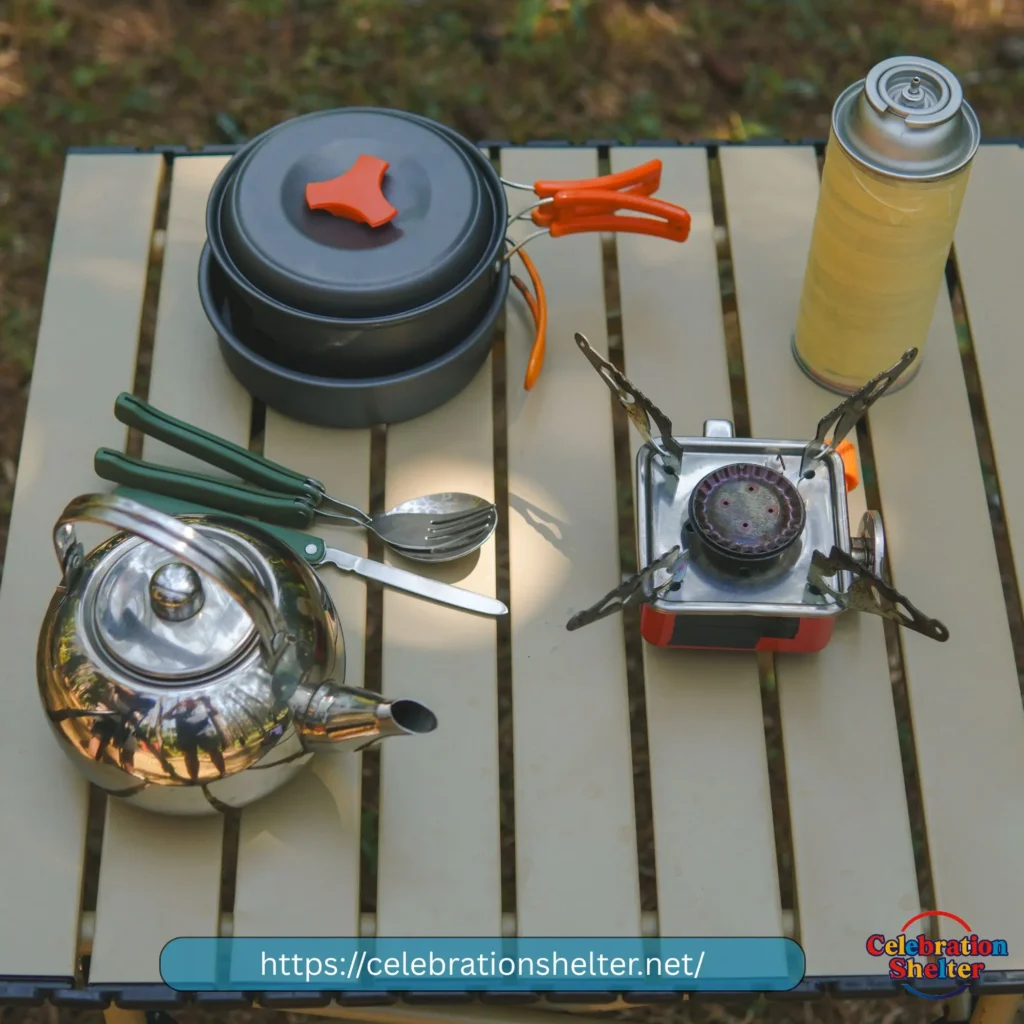
Use cookware that matches the burner size. Pans that are too large waste heat, while small ones might slide around. Stir food often to avoid burning, especially on high heat.
Keep lids on pots to cook faster and save fuel. When you finish, turn the valve fully off and let the stove cool before packing it away.
Cleaning and Maintenance
1. After Each Use
Wipe the stove once it’s cool. Remove any food spills or grease since they can block vents. Check burners for clogs and brush off debris.
For liquid fuel stoves, empty unused fuel back into the container to prevent leaks. Keep a small cleaning kit with brushes, cloths, and spare seals for quick fixes on trips.
2. Deep Cleaning
Do a deep clean every few months if you camp often. Disassemble the stove as the manual suggests. Wash removable parts with warm water and mild soap.
For stubborn dirt, use a soft brush. Avoid harsh chemicals—they can damage seals or metal surfaces. Dry everything completely before reassembly to prevent rust.
3. Storage
Store your stove in a dry, cool place. Keep it in a bag or box to protect it from dust and moisture. For long-term storage, apply a light layer of oil on metal parts to prevent rust.
Check all hoses and seals before your next trip. Replace worn-out gaskets or valves to keep performance safe and steady.
Troubleshooting Common Problems
1. Weak Flame
A weak flame often means low fuel or a clogged burner. Check fuel levels first, then clean the burner holes with a pin or soft brush.
Cold weather can also reduce pressure in canisters. Warming the canister slightly (not near open flame) can restore performance.
2. Yellow or Sputtering Flame
A yellow flame means incomplete combustion, often caused by dirt or moisture in the fuel line. Clean it thoroughly and let the parts dry.
3. Leaks and Odors
If you smell gas, stop using the stove right away. Disconnect and inspect all seals. Always carry spare O-rings or gaskets on long trips.
Tips for Better Cooking Outdoors
1. Plan Simple Meals
Choose meals that need fewer ingredients and shorter cooking times. Soups, stews, and pasta work great on most stoves.
2. Use a Lid
A lid traps heat, cooks food faster, and saves fuel. It also keeps dust and bugs out while cooking.
3. Pre-Measure Ingredients
Measure spices and dry ingredients before the trip. Store them in small containers or bags for quick access. This saves time and reduces waste at the campsite.
4. Clean as You Go
Wipe spills right away. Clean pots and pans before food hardens. It keeps your stove area tidy and prevents unwanted animals from visiting your campsite.
Final Thoughts
A good camping stove is more than just a cooking tool—it’s your link to warm food and comfort outdoors. Whether you camp for a night or a week, the right stove makes every meal easier and safer.
By knowing how each type works, choosing the right features, and following simple care steps, you’ll make your camping trips smoother and more enjoyable.
Frequently Asked Questions
1. What type of camping stove is best for beginners?
Canister stoves are the easiest for beginners. They’re quick to set up, lightweight, and reliable for most weather conditions except extreme cold.
2. Can I use a camping stove inside a tent?
It’s unsafe to use a stove inside a tent. Burning fuel releases carbon monoxide, which can build up and cause serious harm. Always cook outside in a well-ventilated area.
3. How long does camping stove fuel last?
A small gas canister usually lasts two to three days for light cooking. Liquid fuel lasts longer but depends on your stove type and how often you cook.
4. What’s the safest way to store fuel?
Store fuel in cool, dry places away from sunlight or flames. Keep liquid fuel in labeled containers and canisters sealed until use. Never store them inside sleeping areas.
5. How do I clean a camping stove?
Let the stove cool before wiping it down. Remove food spills, clean burner holes with a brush, and store it dry. A deep clean every few trips keeps it working well.
6. Which stove works best for cold weather camping?
Liquid fuel stoves perform best in cold or high-altitude conditions. They keep a steady flame even when temperatures drop below freezing.