What Is Burning Man? A Complete Guide to the Desert Festival Experience 2026
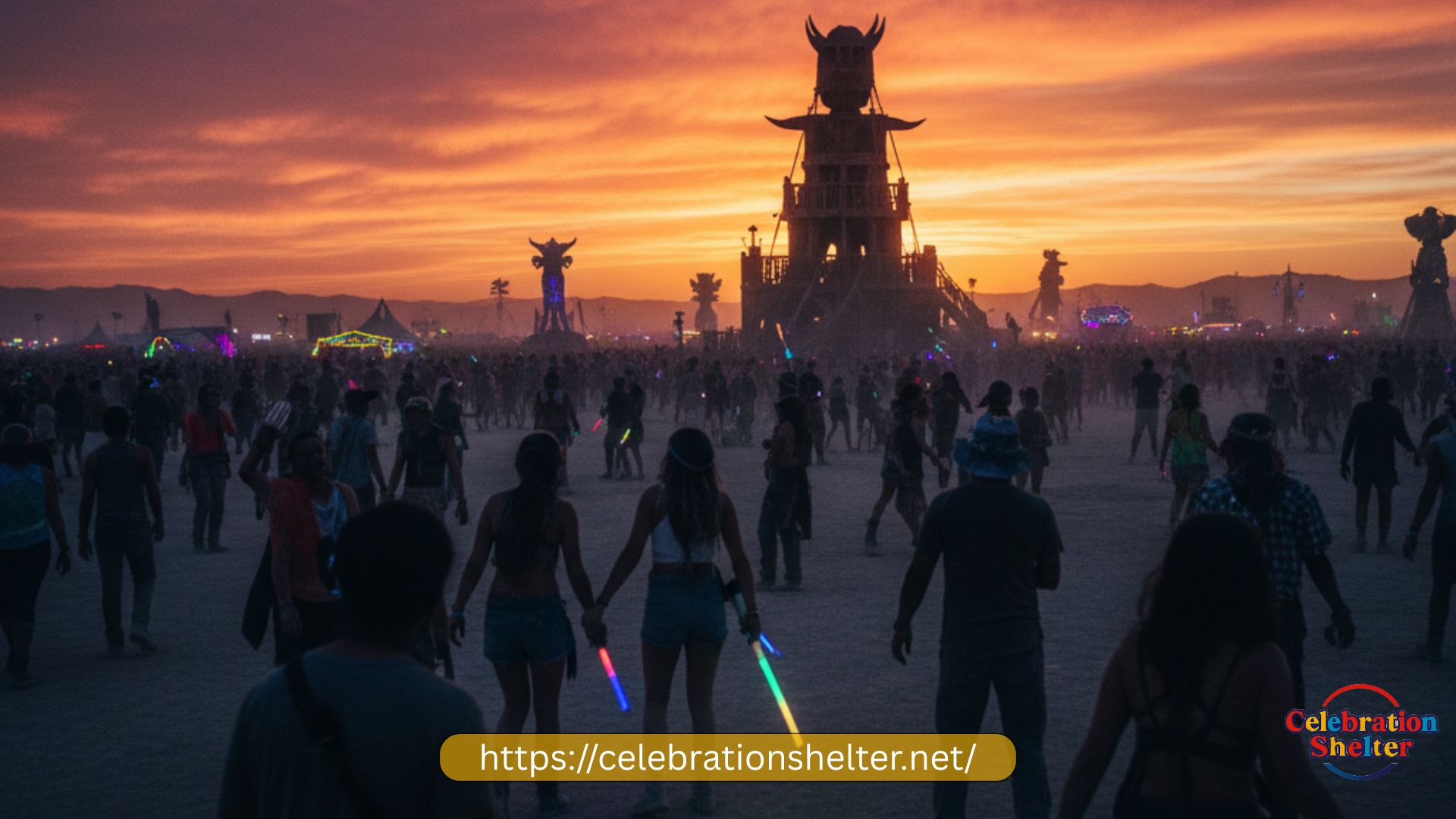
A city rises from the desert once a year, built by dreamers who arrive with creativity and leave no trace behind. It’s not just an event but a shared experience that blends art, expression, and community.
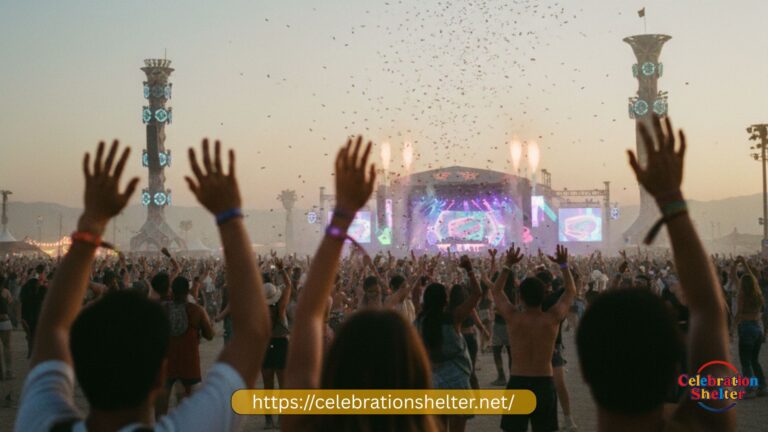
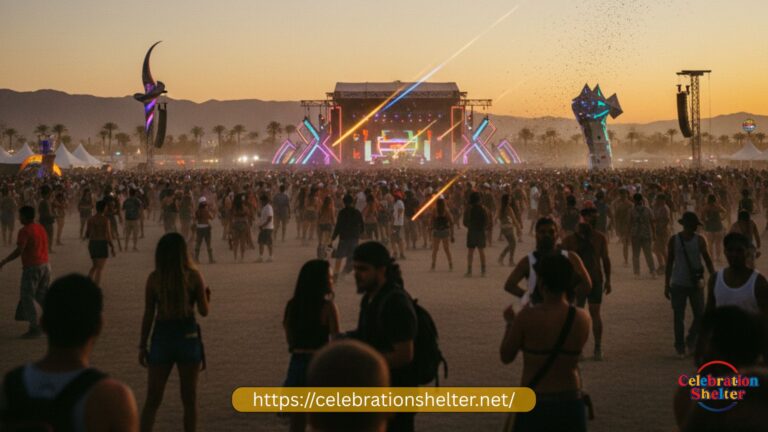
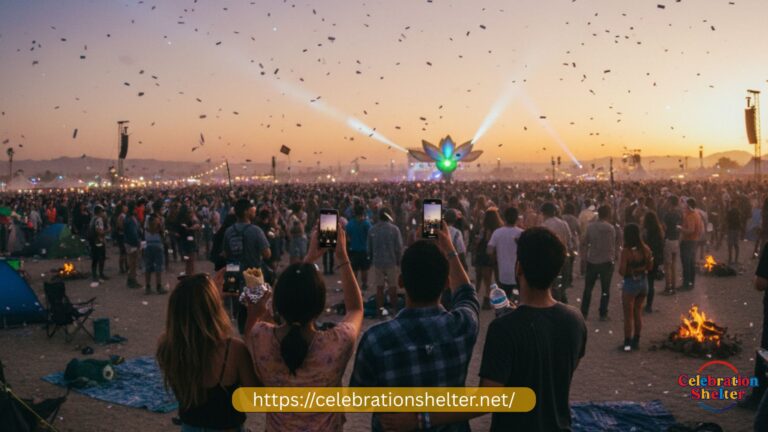
Burning Man transforms Nevada’s Black Rock Desert into a canvas for imagination. For one week, people from all over the world gather to build, create, and live in a place where participation replaces commerce and collaboration replaces routine.
Every sunrise and sculpture tells a story. Every participant shapes the city in their own way. What draws thousands to this temporary world is not spectacle, but belonging — a chance to live freely and connect deeply.
This is the spirit of Burning Man, where the fire isn’t only in the art but in the people who bring it to life.
Essential Key Takeaways for Attending Burning Man Festival
- Burning Man is a temporary city built in Nevada’s Black Rock Desert, centered around creativity, community, and self-expression.
- The festival runs on ten guiding principles that define how participants interact and contribute.
- Attendees are called “Burners” and bring everything they need to survive in the desert environment.
- The event’s art, performances, and community projects are created by participants, not commercial vendors.
- Burning Man promotes sustainability and global cultural influence far beyond the desert.
Discovering Burning Man: A Unique Cultural Phenomenon
The Birth of Black Rock City
Burning Man began as a small gathering in 1986 on San Francisco’s Baker Beach. A group of friends built a wooden figure, set it on fire, and found meaning in the shared moment. Over time, that act evolved into a large-scale event in Nevada’s Black Rock Desert, where thousands now build a temporary city known as Black Rock City.
This city rises from the barren desert each year and disappears without a trace. It’s a space where self-expression and creativity replace traditional rules of society. Participants contribute by building art installations, organizing performances, or helping with essential services.
The Ten Principles: Guiding the Burner Experience
The Burning Man community lives by ten guiding principles. These include radical inclusion, gifting, decommodification, self-reliance, and participation. Each principle shapes how people connect and contribute.
Radical inclusion means everyone is welcome, while gifting replaces money as the main form of exchange. Self-expression and communal effort encourage people to share their talents. Leave No Trace ensures the desert remains untouched once the event ends.
Together, these principles build a culture rooted in creativity, respect, and cooperation.
The Culmination: The Symbolic Burning
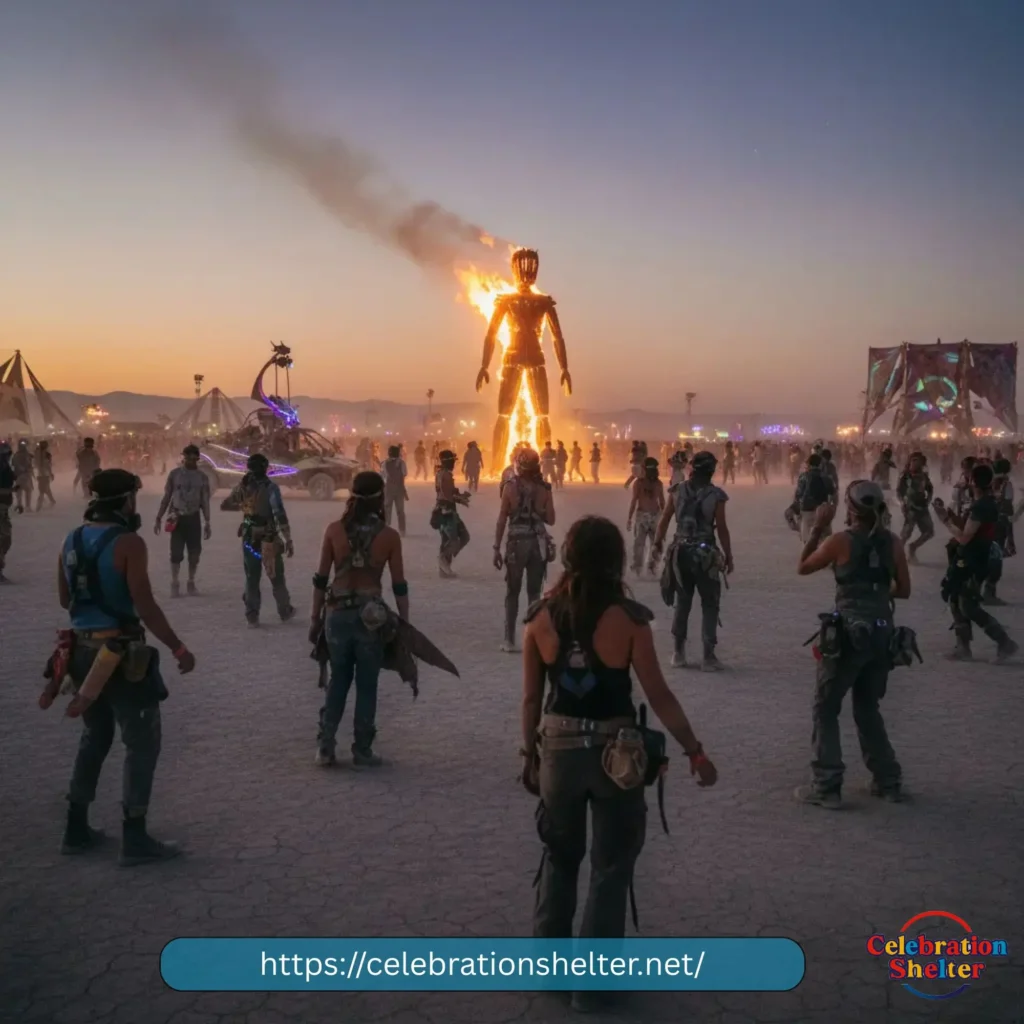
The climax of the festival is the burning of a giant wooden figure called “The Man.” This act is more than a spectacle; it represents renewal and release. The structure burns brightly against the night sky as thousands watch in silence and reflection.
Another key ritual is the burning of the Temple. Unlike The Man, the Temple offers a quieter, emotional space where people leave messages, memories, and mementos before it is burned. These ceremonies unite the community and remind everyone of impermanence.
The Artistic Soul of Burning Man
Art Grants and Creations
Art defines the Burning Man experience. The event provides grants to help artists bring ambitious projects to life. These installations range from small sculptures to towering interactive structures that invite participation.
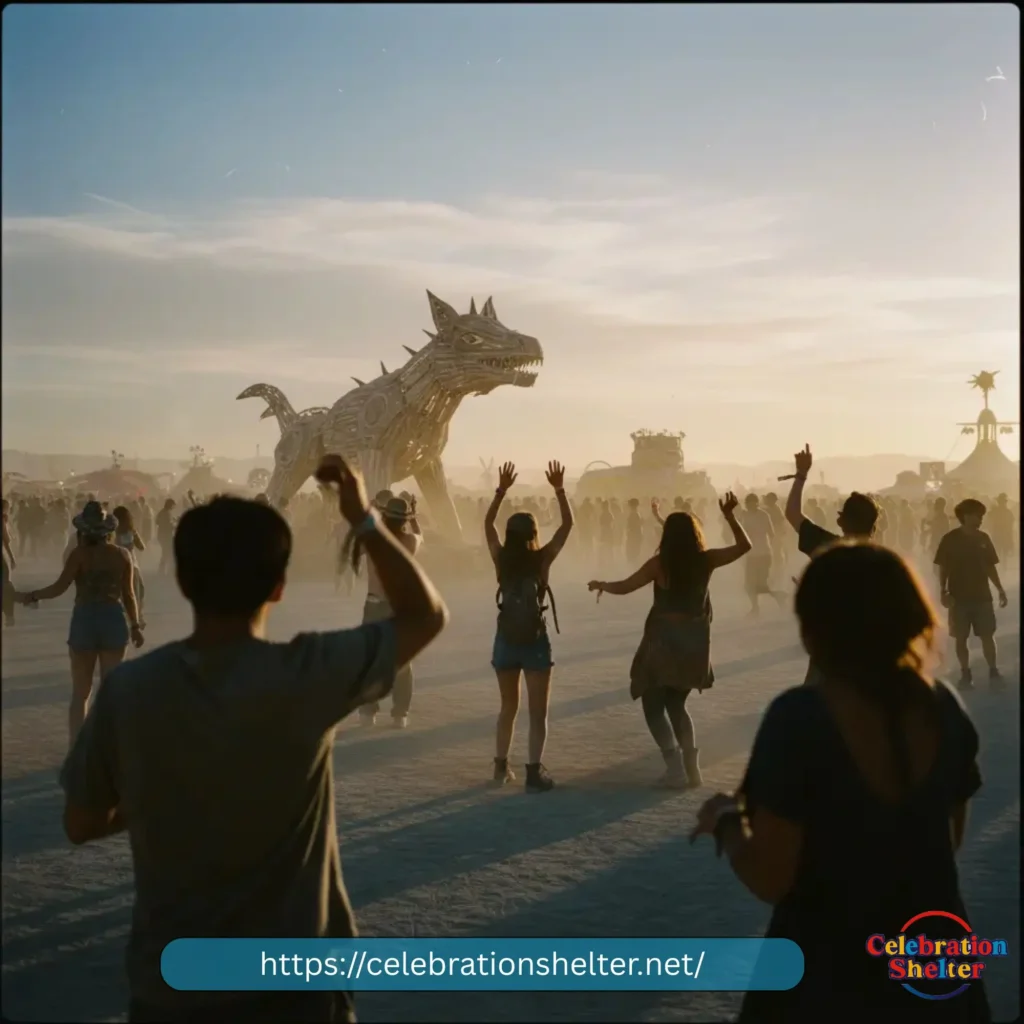
Each piece reflects the imagination and collaboration of its creators. Visitors walk, climb, and even live inside these works. Every structure encourages engagement rather than observation. This focus on shared creation transforms the desert into a living gallery.
Mutant Vehicles: Moving Masterpieces
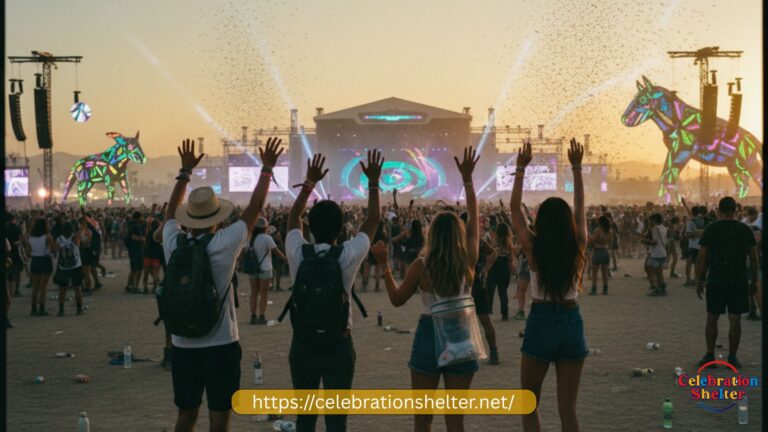
Mutant vehicles, often called “art cars,” are another striking part of the festival. These are vehicles redesigned into moving sculptures — dragons, ships, or glowing temples on wheels. Each one must be approved before entering the Playa, the event’s open desert space.
They provide transportation and entertainment while showcasing extraordinary creativity. Mutant vehicles light up the night and create a mobile art parade that moves through the desert dust.
Theme Camps and Performances
Theme camps form the neighborhoods of Black Rock City. Each camp contributes something unique — workshops, live music, yoga, or interactive art. Camp members collaborate months in advance to design experiences that others can enjoy.
Performance art also thrives here. Fire dancers, DJs, and storytellers fill the Playa with energy. Every performance adds to the city’s pulse, where creativity is shared freely, and everyone becomes part of the show.
Securing Your Passage to the Playa: Burning Man Tickets
The Ticket Lottery and Demand
Getting a ticket to Burning Man is a challenge because demand far exceeds supply. The ticket system operates as a lottery. Participants register in advance and hope for selection. Some tickets are reserved for art collectives, theme camps, and essential workers who help build and manage the city.
Burners are encouraged to plan early, not just for tickets but for logistics. The desert location means travelers must bring everything they need — food, shelter, and supplies — since no vendors sell essentials on-site.
Exodus Operations and Post-Burn Practices
Leaving Black Rock City, known as the Exodus, requires patience and coordination. Thousands of vehicles exit through a single route, creating long waits. Volunteers and organizers manage traffic to ensure safety and order.
After leaving, Burners practice “Leave No Trace,” cleaning up all debris and restoring the land. This mindset extends beyond the desert, reminding participants to care for their environments back home.
Living the Burner Life: Survival and Participation at Burning Man
Preparing for the Elements
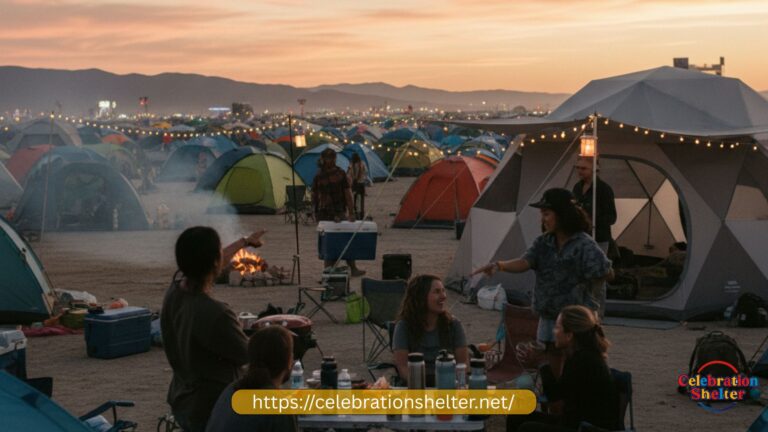
The desert environment is extreme, with scorching days, freezing nights, and dust storms. Preparation is essential. Participants pack water, goggles, masks, and durable shelters. Meals are self-provided, often shared with others in a spirit of generosity.
Survival at Burning Man depends on community and resilience. Burners help one another through difficult conditions, strengthening the sense of unity that defines the event.
Community Art Self-Expression
Self-expression lies at the core of the Burner experience. Costumes, body paint, and art installations become tools for storytelling and identity. No one is a spectator; everyone contributes to the collective artwork of the city.
Workshops, performances, and open collaborations allow participants to explore creativity without judgment. This openness builds a rare kind of freedom and trust that connects people from around the world.
After the Dust Settles: The Impact and Legacy of Burning Man
Growing Community and Global Influence
What began as a small local gathering has become a global movement. Regional events inspired by Burning Man now take place in dozens of countries. These smaller gatherings share the same principles and promote creativity and community worldwide.
Burning Man’s influence extends into art, design, technology, and social innovation. Many participants carry its ideals into their daily lives, building communities that reflect cooperation and expression.
Environmental and Social Responsibility
Burning Man’s “Leave No Trace” philosophy promotes responsibility toward nature. The organization continues to focus on sustainability through renewable energy and waste reduction projects.
Participants also support social causes, using their creativity to help communities recover from crises and promote inclusion. This commitment to responsibility ensures that the spirit of Burning Man continues beyond the Playa.
Summary
Burning Man is more than a festival. It’s a living experiment in creativity, cooperation, and self-reliance. Each year, a temporary city rises in the desert, built by those who believe in participation and art without limits.
From massive sculptures to quiet moments of reflection, every experience shapes a story that continues long after the dust fades. Burning Man’s lessons — creativity, connection, and care for the planet — live on through the people who carry its fire forward.
Frequently Asked Questions
What is the purpose of the Burning Man?
Burning Man celebrates creativity, community, and self-expression. It encourages participants to live out shared values that challenge consumerism and promote connection.
Can anyone go to Burning Man?
Yes. Anyone can attend as long as they secure a ticket and prepare for the desert environment. Radical inclusion welcomes people from all backgrounds.
How does Burning Man uphold social responsibility?
The festival follows a Leave No Trace policy and promotes sustainability. Many projects use renewable energy and encourage participants to minimize waste.
How is art expressed at Burning Man?
Art appears everywhere — in sculptures, costumes, performances, and vehicles. Every participant becomes part of the creative process through contribution and expression.
How many people attend Burning Man?
Attendance typically reaches around 70,000 participants, forming a temporary city that lasts for one week before disappearing without a trace.