Fire Safety at Festivals: Essential Equipment and Prevention Tips
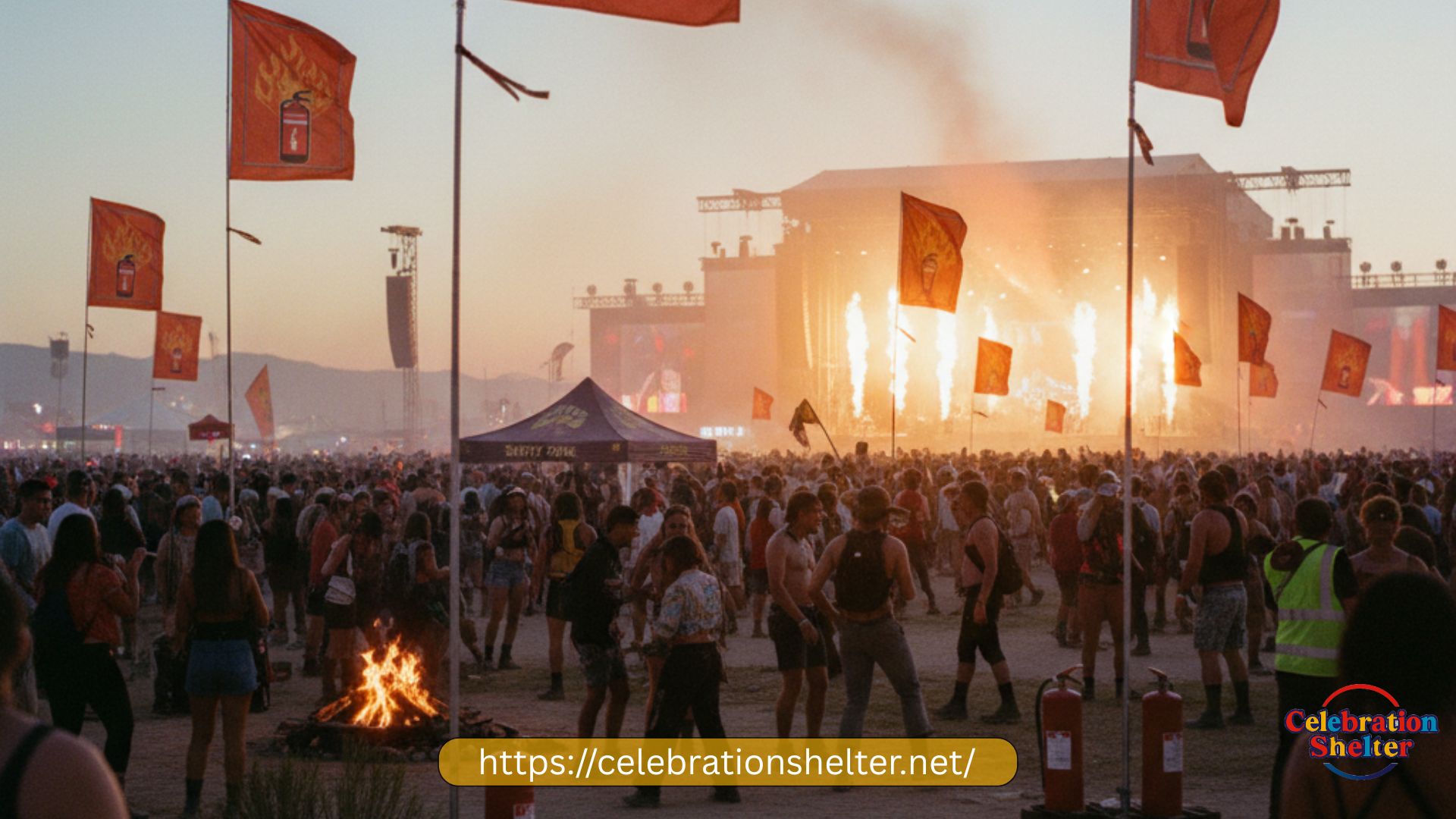
Festivals bring excitement, music, and unforgettable experiences, but they also come with serious responsibilities. Fire is one of the greatest risks at any large gathering. Without proper precautions, a small spark can escalate and endanger lives within minutes.
Organizers must balance safety with entertainment, ensuring people enjoy themselves in a secure environment. Planning ahead, training staff, and having the right equipment in place is not optional — it is part of running a successful event.
This guide explores fire safety at festivals in detail, from extinguishers and regulations to safety plans and prevention strategies. By following these steps, organizers can protect both people and events.
Understanding Fire Risks at Festivals
The Most Common Types of Fire Incidents
Festivals often combine large crowds, temporary structures, and high-energy activities. This mix can create several fire hazards. Open flames from food vendors, faulty wiring at stages, and cigarettes in crowded areas are common causes. Fireworks and pyrotechnics also add danger when used without strict oversight.
Camping festivals face additional risks. Attendees may use gas stoves, lanterns, and campfires, all of which can start uncontrolled blazes. In dry conditions, even a small flame can spread quickly through grass or tents. By understanding these risks, organizers can take steps to reduce them before the event begins.
Fire Extinguishers at Festivals
What Type of Fire Extinguisher Do You Need?
Different hazards require different extinguishers. A water-based unit may work for wood or paper fires but will fail against electrical or cooking oil fires. For festivals, organizers should have a mix:
- Water extinguishers for tents, fabrics, and wooden structures.
- CO₂ extinguishers for electrical fires near stages or sound equipment.
- Foam extinguishers for fuel or liquid-based fires.
- Wet chemical extinguishers for cooking areas where oil is present.
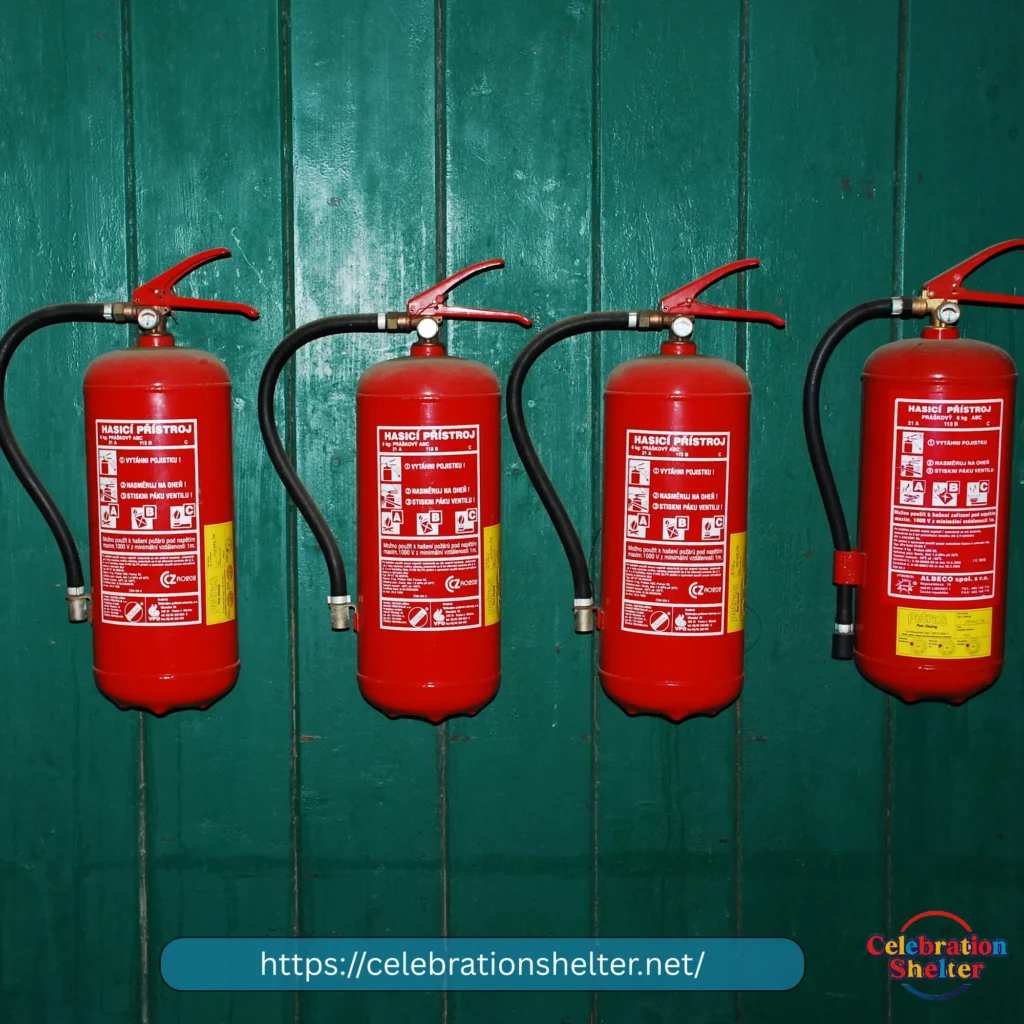
Choosing the right extinguisher ensures fires can be controlled before they spread.
What Areas of A Festival Require Fire Extinguishers?
Extinguishers must be placed where risks are highest. Key areas include:
- Stages with lighting rigs and sound systems.
- Vendor stalls, especially food stands with grills or fryers.
- Camping zones where open flames are common.
- Storage areas with fuel, generators, or pyrotechnics.
Every location should have clear signage so staff and attendees can spot equipment quickly.
Fire Extinguisher Hire Options for Events
Buying dozens of extinguishers may not be practical. Many companies offer hire services tailored to events. These packages include delivery, setup, and collection after the festival. Some providers also train staff to use the equipment. This option saves money while ensuring coverage meets safety codes.
Meeting Fire Codes and Regulations
Legal Responsibilities for Organizers
Festival organizers are legally responsible for public safety. Laws require risk assessments, proper equipment, and trained personnel on site. Failing to meet these obligations can lead to heavy fines or even criminal charges if negligence causes harm. Beyond compliance, following regulations shows respect for attendees who trust organizers with their safety.
Working with Local Fire Authorities
Local fire departments can be valuable partners. They help review site plans, inspect equipment, and advise on safety strategies. Many authorities also require permits before an event begins. Building a cooperative relationship ensures faster response times if emergencies occur and demonstrates professionalism in festival planning.
Essential Fire Safety Equipment and Setup
Adequate Extinguisher Coverage and Placement
Having extinguishers is not enough; they must be strategically placed. Fire code guidelines often recommend one extinguisher for every certain number of square feet, with travel distance kept minimal. Extinguishers should be mounted on stands or brackets and kept visible at all times.
Using Flame-retardant Materials for Tents and Décor
Temporary structures such as stages, vendor stalls, and large tents can ignite easily. Using flame-retardant fabrics and treated décor reduces the chance of fire spreading. Organizers should request certificates from suppliers to confirm compliance.
Keeping Fire Lanes and Exits Clear
Blocked exits or crowded pathways can be deadly in an emergency. All fire lanes, exits, and emergency access points must remain open and marked with clear signage. Security staff should regularly check that these areas stay unobstructed during the event.
Creating a Festival Fire Safety Plan
Why a fire risk assessment is important
A detailed fire risk assessment identifies hazards before the first attendee arrives. It looks at every element of the site, from vendor operations to electrical layouts. This assessment guides the placement of equipment and shapes emergency procedures.
Establishing A Fire Watch Team
A fire watch team is a group of trained staff tasked with monitoring risks. They patrol high-risk areas, watch for violations, and respond quickly to any signs of danger. Their presence reassures both vendors and attendees.
Training Staff, Vendors and Volunteers
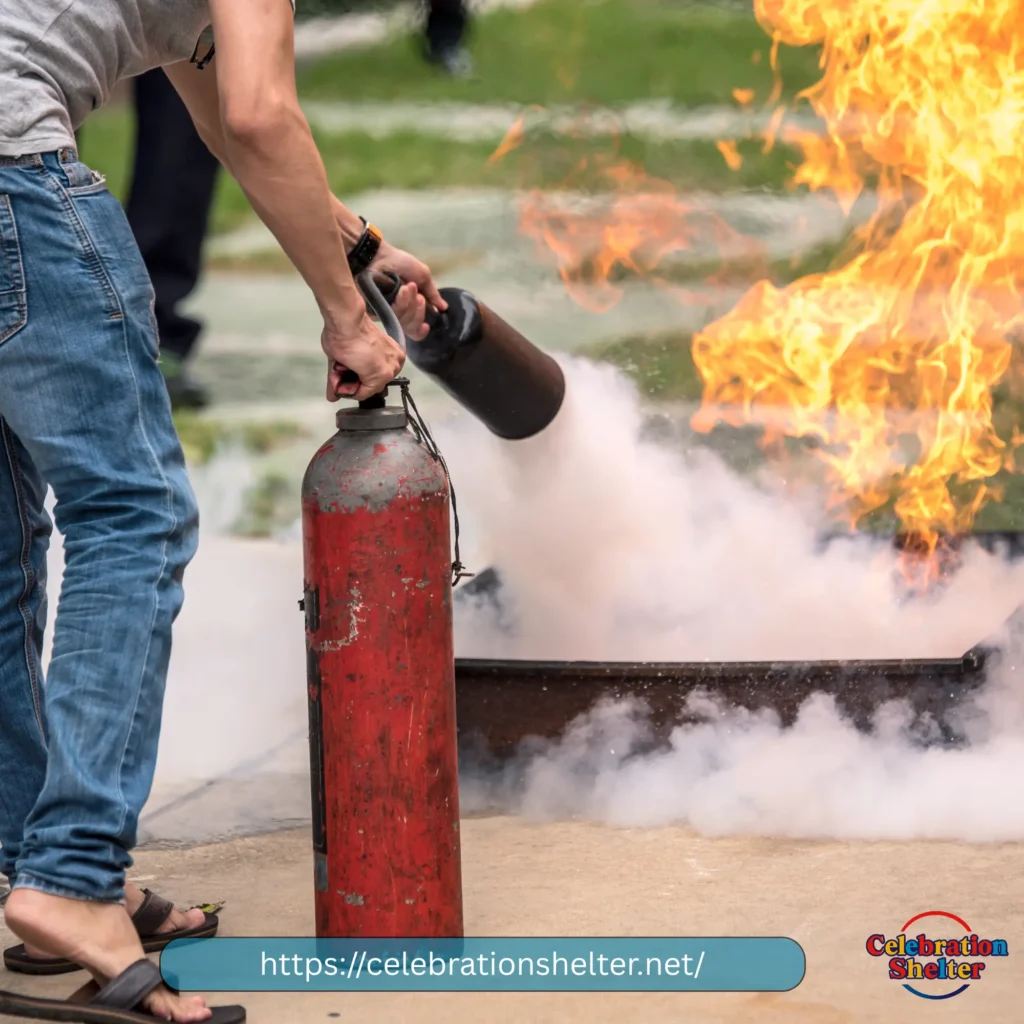
Safety training must extend beyond the core team. Vendors and volunteers should know where extinguishers are located and how to use them. Staff should be drilled on evacuation routes and communication systems. Training builds confidence and prevents panic when quick action is required.
5 Key Fire Safety Tips for Festivals
1. Plan Ahead
Preparation reduces risks long before the first ticket is scanned. Site inspections, fire drills, and coordination with authorities should be completed well in advance.
2. Position Equipment Correctly
Extinguishers, alarms, and hoses should be visible and accessible. Organizers should create maps showing where equipment is located and distribute them to staff.
3. Minimize Risks Around Stages, Kitchens and Campsites
Electrical wiring near stages must be checked and tested. Food vendors should use safe cooking setups with fire blankets on hand. Campsites need strict rules about stoves, lanterns, and campfires.
4. Keep Everyone Well Informed
Attendees must understand safety expectations. Clear signs, announcements, and festival guides can explain what to do in case of fire. Vendors and volunteers should also receive safety briefings.
5. Update Your Fire Risk Assessment Regularly
Risks change as festivals grow. Each year, organizers should review and update safety assessments, adjusting to new layouts, equipment, or weather conditions.
Communication and Shared Responsibility
Briefing Attendees and Vendors
Safety cannot rest solely on organizers. Attendees and vendors play a role as well. Regular reminders about safe practices, such as designated smoking areas or rules for camping stoves, keep risks low. Vendors should sign agreements confirming they understand and follow fire safety measures.
Coordinating with Emergency Services
Emergency services must be integrated into the event plan. Sharing site maps, schedules, and contact details ensures everyone is prepared. Having on-site medical and fire response teams reduces delays if something happens.
Planning for the Worst-Case Scenario
Evacuation Procedures
Even the best precautions cannot remove all risks. A clear, practiced evacuation plan is vital. Routes should be marked, exits clearly lit, and staff positioned to guide crowds. Timed drills before the event can test the plan and highlight weak spots.
Backup Communication Systems
During a fire, power and cell networks may fail. Organizers should have radios or satellite phones as backup communication tools. Redundant systems ensure that instructions can be delivered quickly and accurately during an emergency.
Conclusion: Fire Safety Protects People and Festivals
Festivals thrive on energy and joy, but safety is what makes those moments possible. Fire prevention, proper equipment, and well-trained staff protect not only the attendees but also the reputation of the event itself. By following these steps, organizers create a secure environment where people can celebrate without fear. Careful planning and responsibility turn fire safety from an afterthought into the foundation of a successful festival.
Frequently Asked Questions (FAQ)
Q1: Do festivals legally need fire extinguishers?
Yes. Most fire codes require extinguishers at events, especially near stages, kitchens, and fuel storage areas. Regulations may vary by region, so organizers should confirm local requirements with fire authorities.
Q2: How many fire extinguishers are needed for a festival?
The number depends on the size of the site and the risks present. A common rule is one extinguisher every set number of feet or per structure. High-risk areas such as food stalls and electrical zones need more coverage.
Q3: What training should staff and volunteers get?
They should know how to use extinguishers, where exits are located, and how to guide crowds during an evacuation. Short safety briefings before the event help everyone feel prepared.
Q4: What materials are safest for festival tents and décor?
Flame-retardant fabrics and certified fire-safe materials reduce risks. Organizers should ask suppliers for safety certificates and avoid untreated cloth or decorations that ignite easily.
Q5: What is a fire watch team?
It’s a group of trained personnel who patrol the festival grounds, watch for hazards, and respond quickly if a fire starts. They work closely with local fire services.
Q6: How should organizers prepare for worst-case scenarios?
They need a clear evacuation plan, backup communication tools, and coordination with emergency services. Practicing these steps before the festival ensures smoother response if a crisis occurs.