Complete Guide to Choosing the Right Festival Tent for Any Event
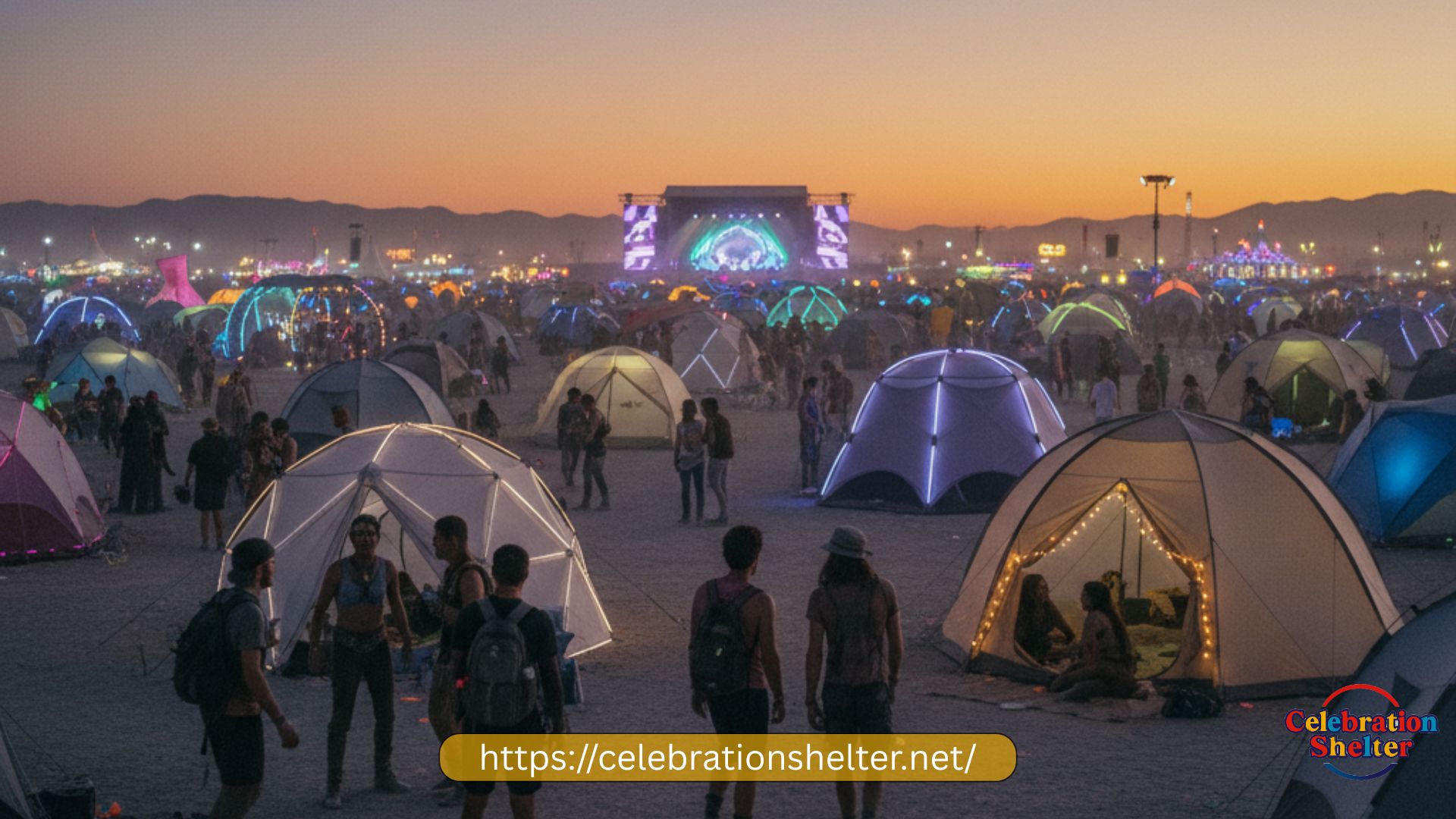
Finding the right festival tent can turn an ordinary event into a comfortable and organized experience. The right setup keeps you dry, shaded, and ready for a great time no matter the weather.
Many options exist, from simple pop-up shelters to large multi-room tents. Each offers a mix of size, material, and setup style that fits different event needs. Knowing what to look for saves time and effort.
This guide breaks down everything you need to choose the right festival tent. Learn how to balance comfort, durability, and style so you’re ready for any occasion.
What is a Festival Tent?
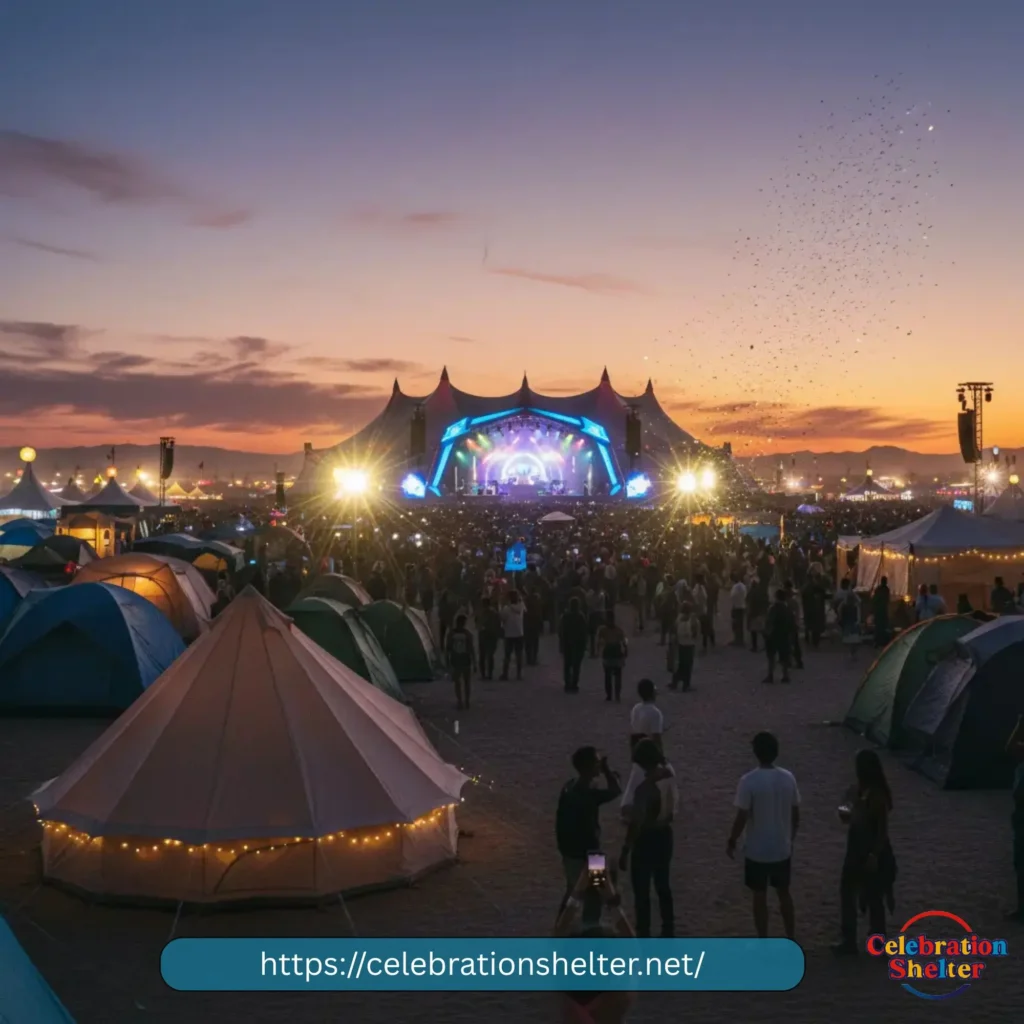
Festival tents come in many shapes and sizes. Some are designed for weekend camping, while others fit large crowds or vendors. The key is matching the tent style with your event’s purpose.
A festival tent is a temporary outdoor shelter made to protect people and gear from the sun, wind, and rain. It can be used for sleeping, hosting guests, or selling products. Most are easy to transport and simple to set up.
Why You Need the Right Tent
Picking the wrong tent can ruin your festival experience. A poorly chosen tent may be too small, hot, or hard to assemble. The right choice helps you stay comfortable, organized, and ready for the entire Event.
Types of Festival Tents
Different festivals call for different tents. Here’s a breakdown of the most common styles and what they’re best for.
Pop-Up Tents
Pop-up tents are lightweight and easy to set up. They’re great for short events or quick shade. Most can be ready in minutes, making them ideal for first-time campers or one-day festivals.
Dome Tents
Dome tents are among the most popular because of their stability and shape. They handle wind well and provide more space than pop-ups. These work well for weekend events or small groups.
Cabin Tents
Cabin tents have tall walls and large interiors. They’re perfect for families or groups who want extra room to move around. Some come with divider panels for privacy.
Tunnel Tents
Tunnel tents are long and curved, giving more headroom and sleeping space. They’re ideal for larger groups or longer festivals where comfort matters most.
Vendor Tents
Vendor tents or canopy tents are built for selling or showcasing products. They have open sides for customer access and can be branded with logos. These are common in craft fairs, markets, and outdoor exhibitions.
Key Features to Look For
When buying or renting a festival tent, certain features make a big difference. Paying attention to these details ensures your tent meets your needs.
Size and Capacity
Choose a tent that fits your group and gear. A tent labeled for four people often fits three comfortably. Always plan for extra space for storage and movement.
Weather Resistance
A Festival Tent should handle rain, wind, and heat. Look for waterproof fabric, strong poles, and sealed seams. A rainfly and ventilation flaps help with protection and airflow.
Ease of Setup
No one wants to spend hours setting up a tent. Pick a model with clear instructions and simple pole systems. Some tents come with color-coded parts for faster assembly.
Ventilation
Good airflow keeps the inside cool and fresh. Mesh windows and roof vents help reduce condensation and stuffiness, especially during summer festivals.
Durability
Strong poles, reinforced corners, and thick fabric make a tent last longer. It’s worth spending more on quality materials if you plan to use the tent often.
Choosing by Festival Type
Each type of festival brings different needs. The right tent depends on how long you’ll stay, the weather, and how many people will share the space.
Music Festivals
Music festivals often last several days, so comfort matters. Pick a dome or tunnel tent that’s easy to carry but strong enough to handle crowds and weather changes. Look for tents with storage pockets and separate rooms for added comfort.
Food and Art Festivals
For these, vendor tents or canopies are best. They protect food, art, or products from sunlight and light rain. Use sidewalls to block wind and display tables to stay organized.
Family Gatherings
Cabin tents are great for families who want comfort and privacy. They often have space for cots, air mattresses, or play areas for kids. Choose one with tall ceilings for better movement.
Sports or Day Events
Pop-up tents provide quick shelter for single-day events. They’re easy to set up, lightweight, and compact enough for travel.
Tent Materials Explained
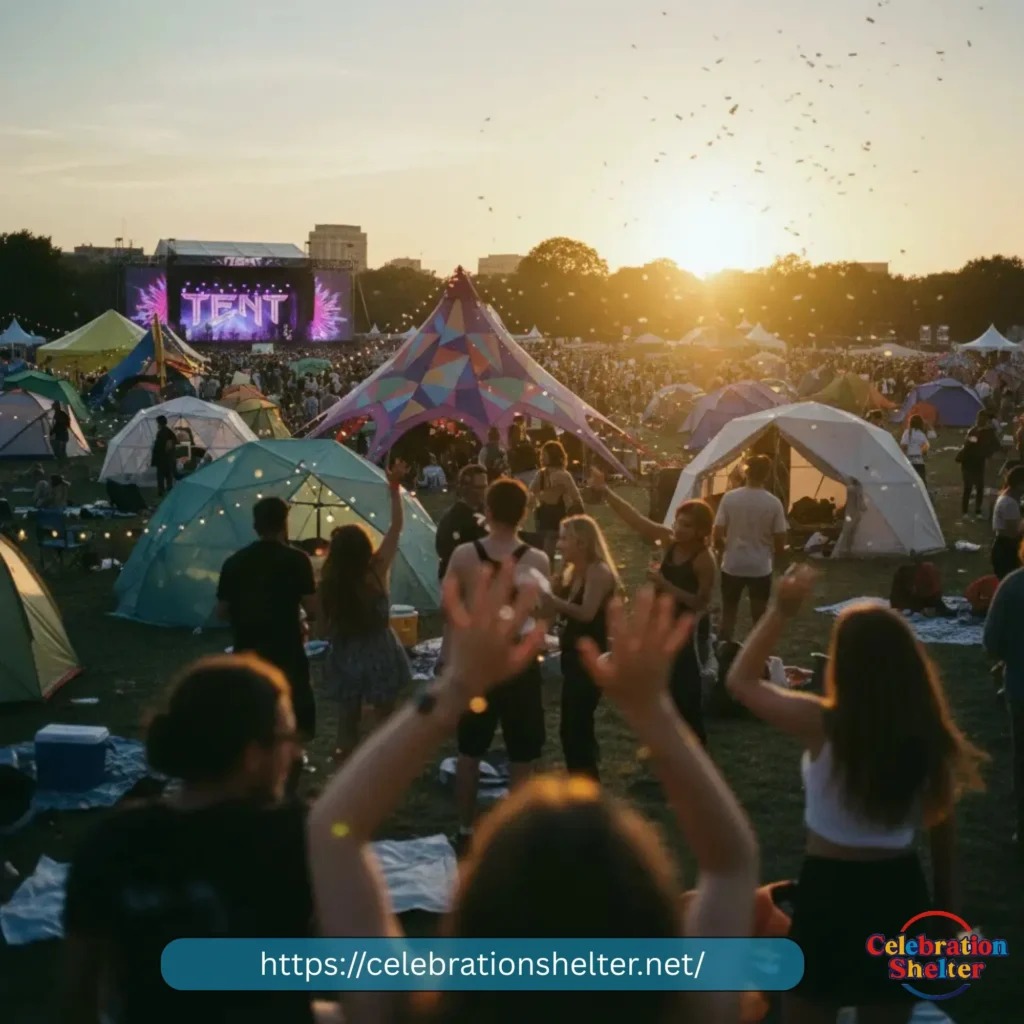
Understanding materials helps you choose a tent that lasts and performs well.
Fabric
Most festival tents use polyester or nylon. Both are light and resist water. Polyester holds up better under sunlight, while nylon dries faster. Check the tent’s waterproof rating, measured in millimeters, to see how much rain it can handle.
Poles
Tent poles come in fiberglass, aluminum, or steel. Aluminum poles are strong and lightweight. Fiberglass is more affordable but can break under heavy wind. Steel poles work best for large vendor tents that need extra support.
Flooring
A strong floor keeps water and insects out. Look for welded seams and bathtub-style designs where the floor wraps up the sides a few inches.
Setup and Packing Tips
How you set up and pack your tent affects its lifespan and performance.
Before the Event
Test your tent at home first. Make sure all parts are included, and practice assembling it once or twice. This helps avoid stress during the festival.
During the Event
Pick a flat, dry area for setup. Use stakes or sandbags for stability, especially if it’s windy. Keep entrances facing away from strong winds.
After the Event
Let your tent dry before packing to prevent mold and odors. Clean dirt or mud with mild soap and water. Store it in a cool, dry place.
Accessories That Improve Comfort
Small add-ons can make a big difference during a festival.
Groundsheet or Footprint
A groundsheet adds protection from moisture and extends your tent’s life. It also helps with insulation when the ground gets cold.
Canopy or Awning
Adding a canopy gives you more shade and space for cooking or relaxing. Some tents come with built-in awnings.
Lighting
LED lanterns, string lights, or headlamps make nights safer and more enjoyable. Pick battery-powered or rechargeable options for convenience.
Storage Solutions
Hanging organizers, gear lofts, and pockets help keep your tent tidy. Staying organized makes your stay smoother and more relaxing.
Common Mistakes to Avoid
Even experienced campers make small errors that cause trouble during festivals.
Overcrowding the Tent
Too many people or too much gear reduces airflow and comfort. Always leave room for storage and sleeping space.
Ignoring Weather Forecasts
Always check the forecast before heading out. Bringing an extra tarp or rainfly can save your trip if the weather changes suddenly.
Skipping Maintenance
A small tear or missing stake can become a big problem. Inspect your tent regularly and fix issues right away.
Budget and Value
Festival tents range in price from basic pop-ups to premium multi-room setups. Spending a little more upfront often means better materials, easier setup, and longer use.
If you attend festivals often, buy a tent that balances quality and price. For one-time events, renting can be a cost-friendly choice.
Eco-Friendly Options
Sustainability matters for many festival-goers. Some brands now make tents from recycled materials or offer take-back programs. Avoid leaving tents behind after events; reuse or donate them whenever possible.
Reusable stakes, repair kits, and solar-powered lights also reduce waste and make your setup more eco-conscious.
Safety Tips
Safety is as important as comfort.
- Keep open flames, stoves, or lanterns outside the tent.
- Use reflective lines or glow tape to avoid tripping at night.
- Always secure your tent firmly to prevent it from blowing away.
Following these steps keeps everyone safe and helps your tent last longer.
Final Thoughts
Choosing the right festival tent can transform your outdoor experience. Focus on size, setup, weather protection, and comfort. A good tent doesn’t need to be expensive—it just needs to fit your needs.
With proper care and a smart choice, you’ll have a reliable shelter that works for many events ahead.