
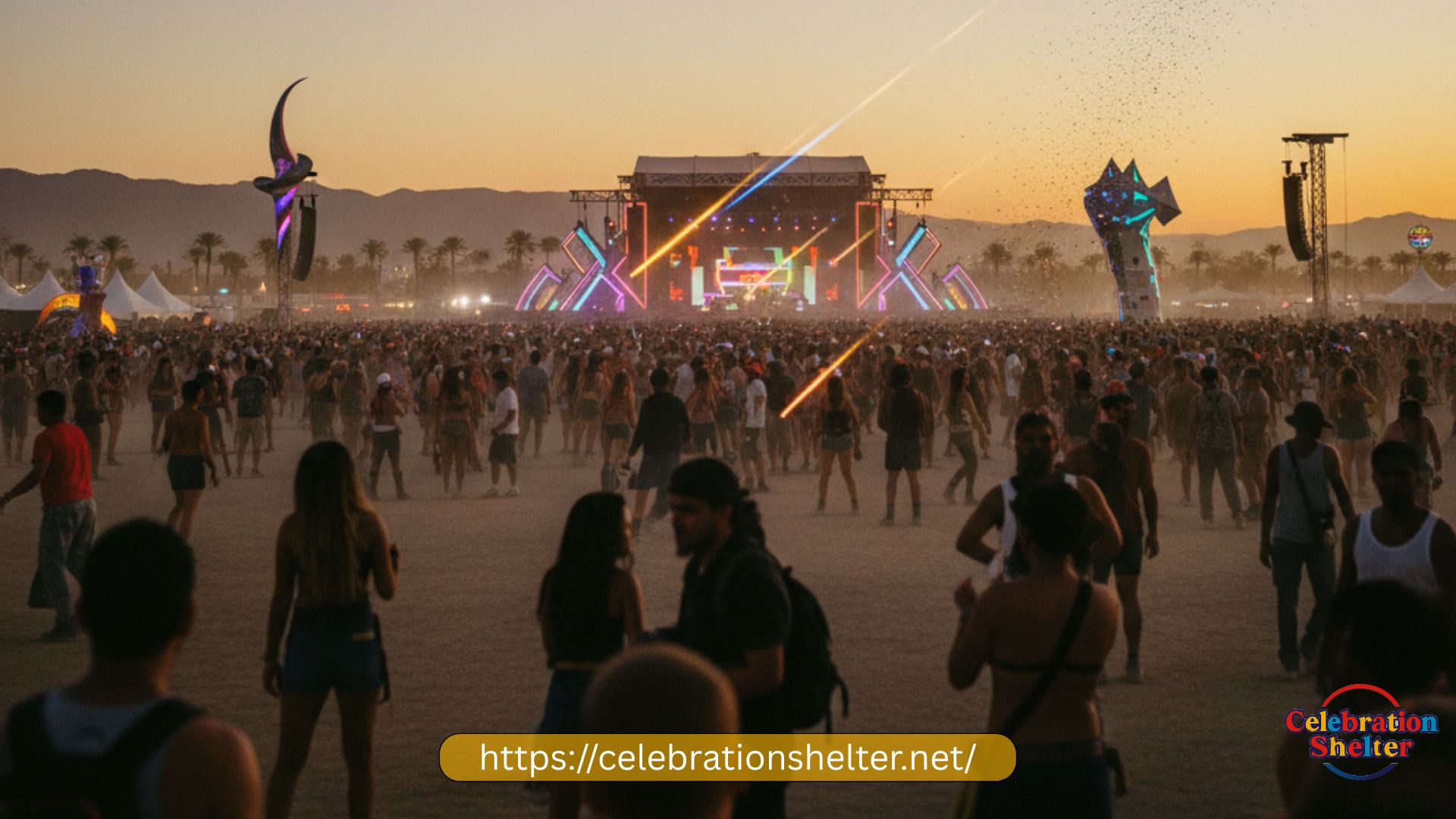
Planning a festival is exciting, but it comes with serious responsibilities. A single accident, cancellation, or lawsuit can put years of effort and investment at risk. That’s where festival insurance plays a critical role. It protects organizers from unexpected setbacks that could derail an event and threaten its future.
Crowds, weather, equipment, and alcohol service all create risks that need coverage. Festivals worldwide have learned the hard way that without insurance, one incident can lead to devastating financial losses. Even small community events face liabilities that could wipe out their budgets.
The good news is that the right insurance policies safeguard both organizers and attendees. They ensure the show goes on even when things don’t go as planned. This Guide Explains why festival insurance matters, the types of coverage available, and how to manage risks effectively.
Understanding the Risks: Why Festival Insurance Matters
Every festival has unique challenges, but they all share one truth: anything can happen. From sudden weather to injuries in a crowd, risks are unavoidable. Past events like stage collapses, flooding, or headliner cancellations remind organizers that no festival is immune.
Insurance works by transferring those risks. Instead of facing lawsuits or refund demands alone, organizers rely on insurers to absorb major costs. Without coverage, one claim could bankrupt an event. Many cities, venues, and sponsors even require proof of insurance before granting permits.
By protecting finances and reputation, insurance isn’t just a formality. It’s a lifeline for festivals of every size.
Essential Insurance Policies for Festivals

General Liability Insurance
General liability insurance is the foundation of festival coverage. It protects against third-party claims of injury or property damage. If a guest trips over loose cables or equipment damages nearby property, this policy covers medical bills, legal fees, and settlements.
Most municipalities require general liability before approving permits. Coverage limits often start at $1 million per occurrence, but large festivals may need higher amounts. Listing partners, venues, and sponsors as additional insureds ensures everyone is protected.
Event Cancellation & Weather Insurance
Outdoor festivals are especially vulnerable to weather disruptions. Event cancellation insurance covers losses when events are canceled, postponed, or cut short due to unforeseen circumstances. Heavy rain, high winds, or natural disasters can all trigger claims.
This policy reimburses sunk costs like artist fees, production expenses, and ticket refunds. Some policies are weather-specific, while others cover broader risks like terrorism or civil unrest. Tailoring the coverage to local conditions ensures maximum protection.
Workers’ Compensation (Employee/Staff Insurance)
Behind every festival is a workforce of staff, crew, and volunteers. Workers’ compensation insurance covers employees injured on the job. It pays medical bills, rehabilitation, and lost wages while protecting organizers from lawsuits.
Stagehands, electricians, and security teams all face physical risks. Having this insurance shows commitment to staff safety and helps build a strong workplace culture.
Liquor Liability Insurance
Alcohol sales increase festival revenue but also raise risks. Liquor liability insurance covers claims related to intoxication, including accidents or fights caused by overserved guests. Many general liability policies exclude alcohol-related incidents, making this coverage essential.
Vendors should also carry their own liquor liability policies. Requiring proof of coverage reduces liability for the festival itself.
Property & Equipment Insurance
Festivals depend on expensive equipment like stages, sound systems, and lighting rigs. Property and equipment insurance covers loss, theft, or damage. It applies to both owned and rented gear, protecting against incidents like vandalism, fire, or severe weather.
Without this coverage, replacing essential equipment could destroy a festival budget. Insuring equipment during transit and storage ensures full protection.
Automobile Liability Coverage
Vehicles are common at festivals, from staff golf carts to rented trucks. Auto liability insurance covers accidents involving owned, rented, or non-owned vehicles used for the event. If a staff member injures a guest while driving a cart, this policy pays for damages.
Organizers should also require vendors and contractors to carry auto insurance for their own vehicles on site.
Umbrella/Excess Liability Insurance
For large or high-risk festivals, standard liability limits may not be enough. Umbrella insurance provides additional coverage once primary policies are maxed out. It ensures that catastrophic claims don’t bankrupt the event.
Major festivals often carry umbrella coverage worth several million dollars to guard against worst-case scenarios.
Artist Non-Appearance Insurance
When festivals promote major headliners, ticket sales depend heavily on those acts. Artist non-appearance insurance covers losses if a key performer cancels due to illness, travel issues, or emergencies.
This policy helps organizers refund tickets or offset lost revenue. It’s most valuable for festivals built around a few star performers.
Tailoring Coverage Through Risk Assessment
Every festival has different needs. A small local art fair won’t need the same policies as a 50,000-person Music Festival. That’s why risk assessment is crucial.
Key factors include:
- Location risks: Flood zones, high winds, or remote venues.
- Crowd size: Larger crowds mean higher liability limits.
- Activities: Fireworks, rides, or water features each carry unique risks.
- Assets: High-value gear requires strong equipment coverage.
Conducting a risk assessment helps insurers design policies that match actual exposures. It also helps organisers plan safety measures, which can lower premiums.
Working with Insurers: Getting the Right Coverage

Festival insurance is not a one-click purchase. It requires careful planning with brokers and underwriters.
Steps to follow:
- Choose specialists: Work with insurers experienced in live events.
- Be transparent: List all activities, attendance estimates, and safety plans.
- Understand limits: Balance coverage limits and deductibles with realistic risks.
- Secure COIs: Obtain Certificates of Insurance for venues, sponsors, and partners.
- Stay updated: Notify insurers of lineup changes, attendance spikes, or new risks.
Strong communication ensures coverage matches the festival’s reality.
Reducing Liability: Waivers, Policies, and Safety Practices
Insurance is essential, but prevention is even better. Reducing risks not only protects attendees but also builds trust with insurers.
Strategies include:
- Safety plans: Emergency response, crowd control, fire prevention, and medical stations.
- Waivers and disclaimers: Add risk language to ticket terms and high-risk activities.
- Vendor requirements: Require vendors and contractors to carry their own insurance.
- Incident reporting: Document injuries or damage with photos and reports.
- Guest communication: Warn about strobe lights, uneven ground, or extreme weather.
By proving responsibility and planning, festivals can reduce both claims and premiums.
Key Takeaways
- Festival insurance is non-negotiable for financial and legal protection.
- Core policies include general liability, cancellation, workers’ comp, and liquor liability.
- Risk assessments guide the right mix of coverage and limits.
- Working with experienced insurers ensures tailored protection.
- Safety practices and vendor requirements reduce liability exposure.
With insurance and safety strategies in place, organizers can focus on delivering Unforgettable Experiences, knowing their events are protected from worst-case scenarios.