Ultimate Festival Ground Protection and Flooring
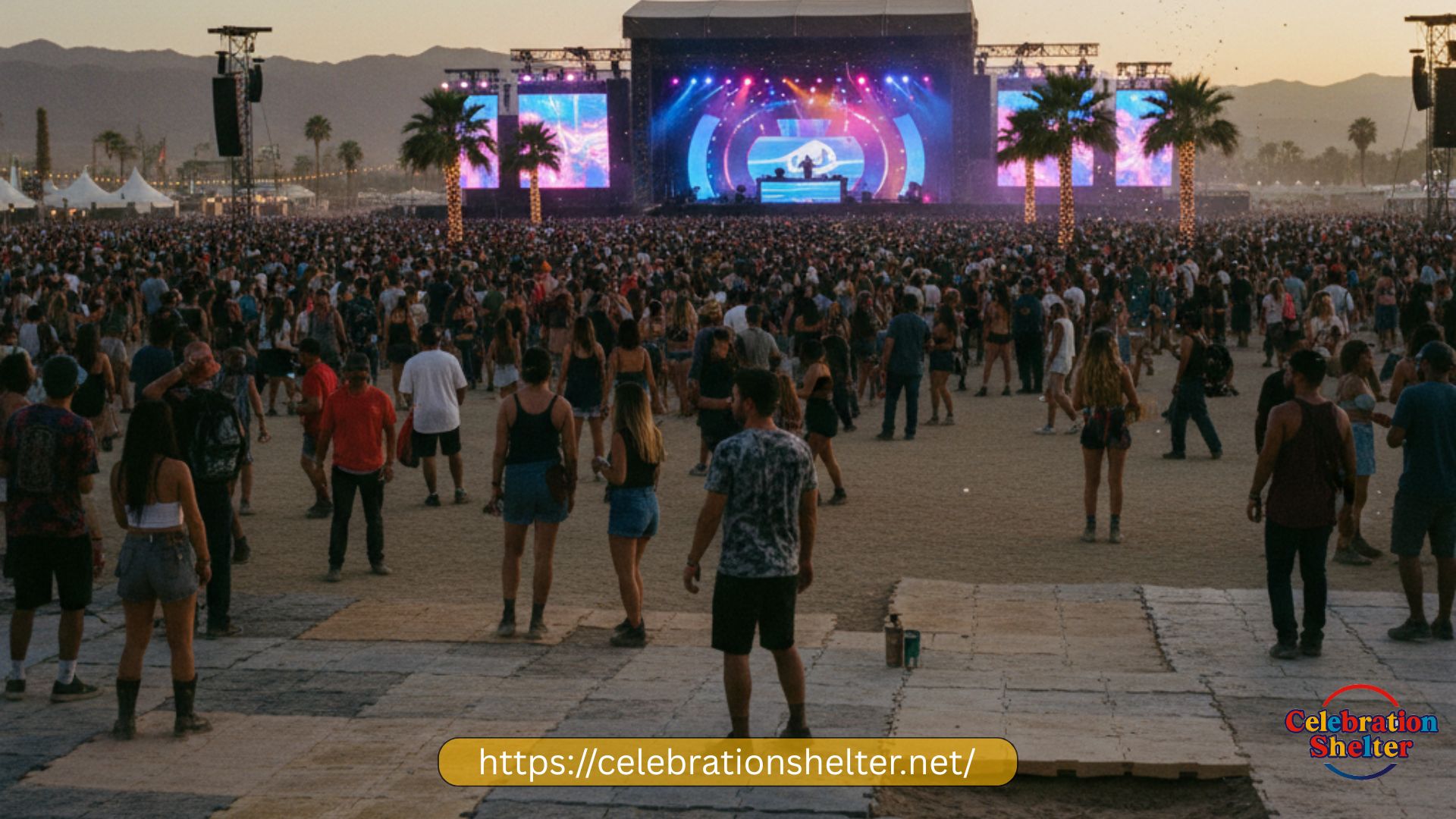
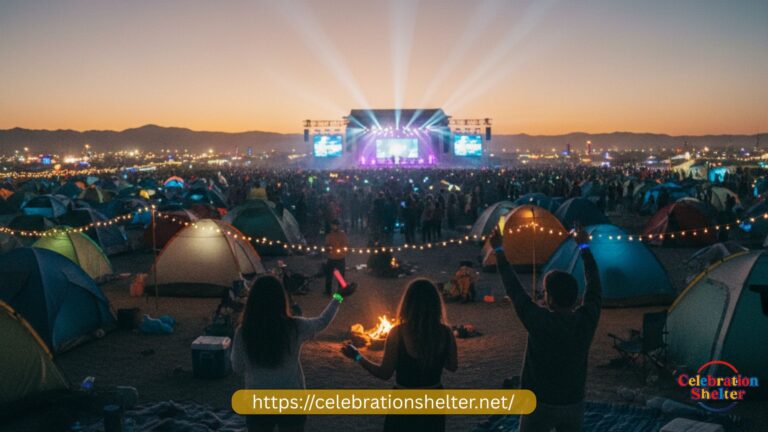
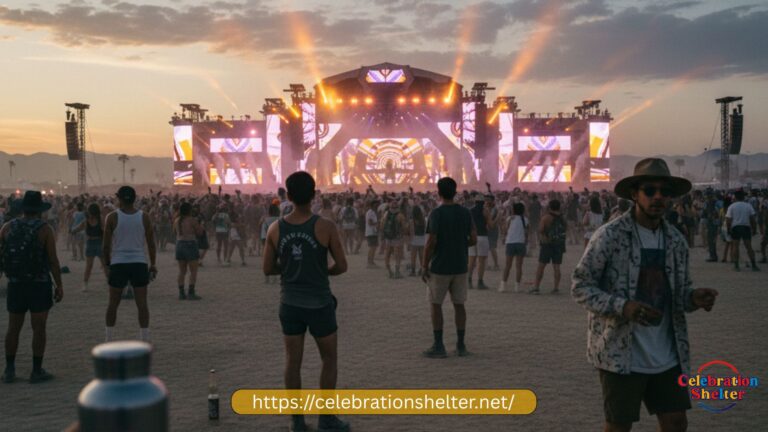
Rain, foot traffic, and heavy equipment can quickly turn any festival site into a muddy mess. Dust clouds, ruined grass, and safety risks often follow if the ground isn’t protected properly. These issues don’t just frustrate guests—they can damage a festival’s reputation and cost thousands in repairs.
Festival organizers now take ground protection seriously. Temporary flooring options are stronger, safer, and more flexible than ever. Whether you’re setting up on grass, dirt, or gravel, the right setup keeps your site clean, stable, and guest-friendly. No more patchy lawns or destroyed fields after teardown.
Clean walkways, safe access paths, and protected green spaces make a big difference. With the right ground cover, your team can handle any weather and keep everything running smooth—even during a sudden downpour.
This guide provides practical flooring tips and tools that prevent mud, minimize dust, and protect your site. If you want your festival to stay clean, safe, and professional from setup to cleanup, you’re in the right place.
Why Ground Protection Is Essential at Festivals
Festival grounds take a beating. Heavy crowds, trucks, stages, and tents put pressure on grass and soil. Without protection, you risk torn-up turf, deep ruts, and compacted soil that lasts long after the event. That damage not only looks bad—it can leave organizers with costly cleanup and complaints from venues or cities.
Good ground protection keeps your space clean, safe, and easy to manage. It creates solid walkways, keeps emergency lanes open, and protects roots and grass from being crushed. It also reduces slipping and tripping hazards when the weather turns bad.
Festival flooring isn’t just a “nice to have.” It’s part of the plan. The right setup can stop small problems from becoming big ones. Plus, it shows your team cares about the land and the people using it.
Festival Flooring and Ground Cover Options
Choosing the right type of ground protection depends on your site, crowd size, and layout. Below are the main options used by experienced festival planners.
Heavy-Duty Mats for Vehicles and Equipment
These mats hold up under heavy loads like trucks, forklifts, and generators. They’re often made from composite or HDPE plastic and lock together to form a stable surface. Use them in backstage areas, loading zones, and places with large gear.
Pedestrian Walkways
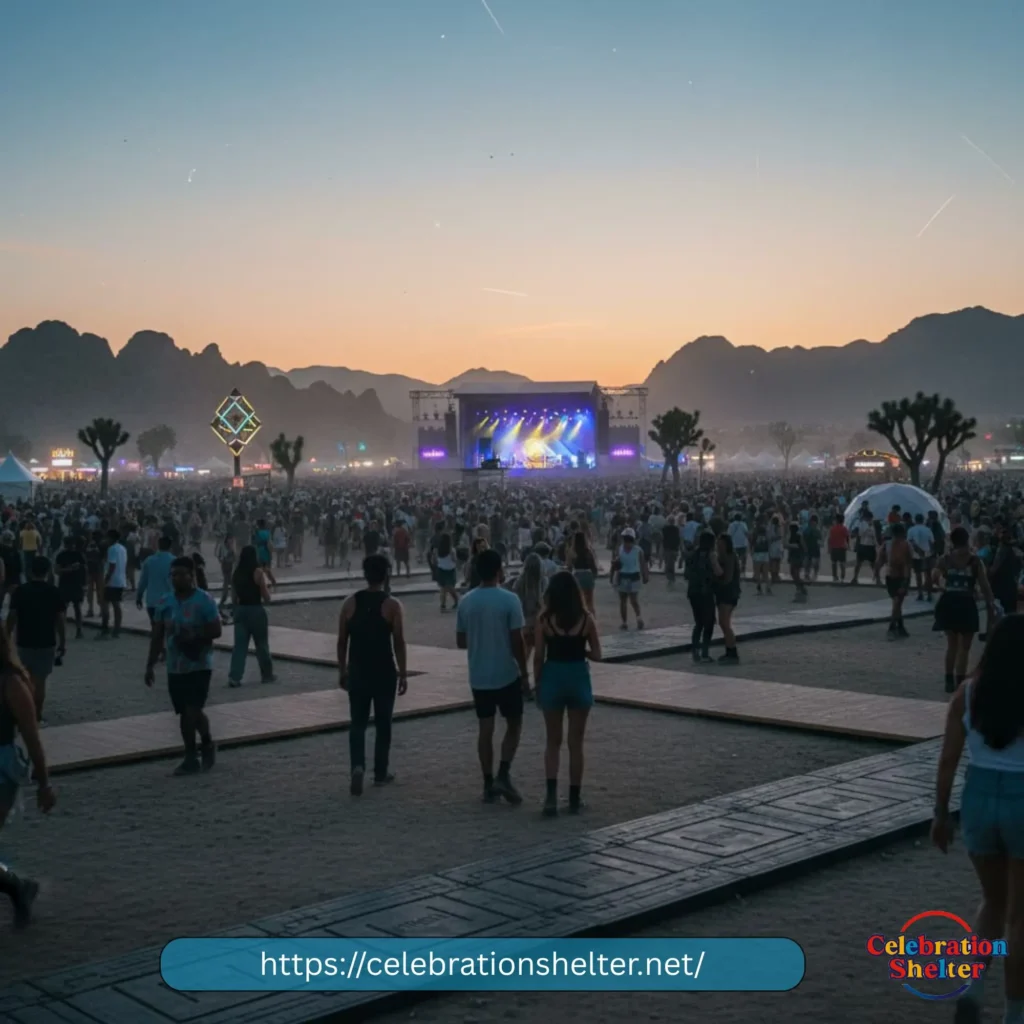
These are lighter flooring panels made for foot traffic. They prevent grass damage and give people a smooth, safe path to follow. Many snap together for quick install and removal. Look for ones with slip-resistant textures.
Turf Protection Mesh
This mesh lays right on top of grass and allows light and air through. It’s perfect when you want to protect lawns while keeping them alive. Use it for light-use areas like lounging spaces, merch tents, or info zones.
Interlocking Tiles
These tiles are popular for vendor areas, food courts, and entrances. They keep mud down and provide a clean, flat surface. Most are made from rubber, plastic, or recycled materials. Some versions allow drainage to prevent puddles.
Carpet and Vinyl Rollouts
For indoor tents or VIP zones, carpet and vinyl flooring give a clean, polished look. These work well on top of other surfaces to add style and comfort, especially in lounges or branded areas.
Where to Use Ground Cover: Key Zones to Focus On
Certain parts of your site need extra attention. These areas face the most foot traffic, movement, and risk of wear.
Main Entrances and Exits
Guests often arrive and leave in large waves. These areas get compacted fast and are prone to mud. Use durable flooring here to make entry smooth and safe.
Stage Front and Viewing Areas
These zones see non-stop action. With people standing, dancing, and jumping, the ground takes a hit. Reinforced flooring helps prevent erosion and mess, especially at multi-day events.
Vendor and Food Courts
Food and drink areas get messy fast. Spills, trash, and heavy foot traffic wear down the ground. Solid flooring keeps the area cleaner and easier to manage.
Emergency and Utility Paths
Vehicles and staff need reliable paths that stay clear no matter the weather. Strong mats or metal plates ensure access during setups, breakdowns, or emergencies.
Restroom and Water Fill Zones
These spots gather lines and foot traffic. Water leaks or spills often turn them into muddy hazards. Use raised or drain-through panels to keep things dry and firm.
What to Do When Rain Hits: Mud Control Tactics
Rain is one of the biggest threats to any outdoor festival. Without a plan, one storm can turn your site into a mud pit.
Start with layout. Avoid placing high-use zones on low ground. Build slight slopes or add drainage where you can. Install mats or flooring in advance—don’t wait for the first drop.
Use materials that offer grip and resist soaking. Stay away from plain plywood without backing, which turns slippery when wet. Choose flooring that stays in place and drains well.
Have backup flooring ready. Keep rolled mats, gravel, or straw on hand for emergency patches. Staff should know where to deploy them fast if the weather shifts.
Keep communication clear. If certain zones flood, reroute foot traffic quickly with signs and staff. Quick action limits long-term damage and keeps guests safe.
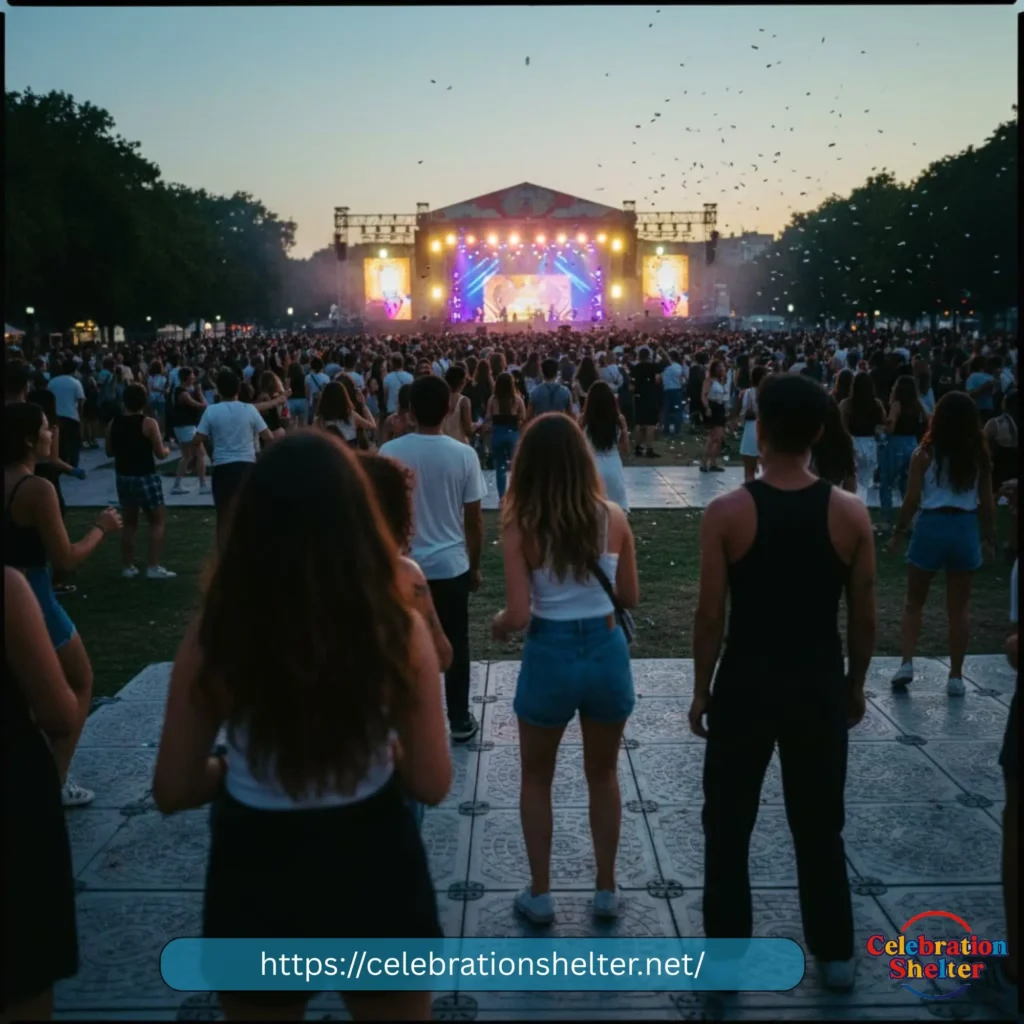
Dry Weather Fixes: Managing Dust and Heat
Dry conditions may seem easier, but dust can be just as damaging. It kicks up into the air, bothers guests with allergies, and settles on gear, food, and merch.
Use ground cover that locks in loose dirt. Mats, mesh, or turf help seal the surface. Water trucks can be used for light misting but should be controlled to avoid overuse.
Choose dust-resistant layouts. Keep traffic spaced out. Avoid placing vehicles on dry bare soil. Where possible, use recycled wood chips, mulch, or low-dust gravel for bare paths.
Offer shaded areas. Heat builds fast on exposed flooring. Tents, canopies, and shade trees not only cool things down—they protect turf from drying out too quickly.
Balancing Budget, Logistics, and Sustainability
Ground protection takes planning. It adds costs up front but saves time, money, and reputation in the long run. Flooring also protects the land, which helps you secure future permits or site rentals.
Work with vendors who offer reusable flooring or rental programs. These reduce waste and storage needs. Some providers handle delivery, setup, and removal, making logistics smoother.
Choose eco-friendly options. Look for flooring made from recycled materials or designed to allow grass recovery. Skip products that damage roots or block air.
Always consider your team size and time frame. Some flooring systems are fast to install but require more workers. Others take longer but cover more space with fewer parts. Match the setup to your crew.
Real Lessons from the Field: What Works and What Doesn’t
Events that plan for ground protection early avoid major setbacks. One music fest in the Midwest used mesh and interlocking panels across its viewing area. After a weekend of heavy rain, the area stayed walkable—and fans kept dancing.
By contrast, a coastal fair skipped flooring due to cost. When storms hit, vendors and guests waded through mud. The damage kept them from using that park the next year.
Some events used too much flooring, covering healthy grass that didn’t need it. That raised costs without much benefit. Smart planning means knowing where coverage counts most.
Talk to your crew, site managers, and vendors before the event. Walk the grounds. Look for slopes, soft soil, or past damage. The best results come from experience, not just equipment.
Final Thoughts
Festival grounds are more than just a backdrop—they shape the experience. From muddy fields to dusty walkways, the surface underfoot affects safety, comfort, and cleanup. Getting ground protection right is one of the best decisions a planner can make.
Start early. Build it into your layout, your timeline, and your budget. Focus on areas that get the most use. Choose materials that fit your crowd size, your weather risks, and your team’s setup skills.
Good flooring makes life easier for staff, safer for guests, and better for the land. It shows that your event is built on care, not just convenience. With the right tools and a little foresight, you can keep the ground solid—no matter what hits it.
What is the best type of ground cover for festivals?
It depends on your site and setup. Use heavy mats for vehicles, mesh or walkways for foot traffic, and interlocking tiles for vendor areas.
Can I use plywood instead of commercial mats?
Plywood is cheap but not ideal. It gets slippery when wet and breaks down quickly. Use it only as a short-term backup.
How do I prevent mud during rain?
Plan ahead. Lay flooring in high-traffic zones, improve drainage, and keep backup material ready. Respond fast if weather changes.
Is turf mesh safe for the grass?
Yes. Turf mesh lets air and light through, helping grass stay alive while protecting it from foot damage.
What’s the cost of renting ground protection?
Costs vary by size, material, and vendor. Rentals can range from a few hundred to several thousand dollars. Get quotes early to stay within budget.