The pandemic brought events to a sudden stop. Concerts, conferences, and festivals vanished overnight as safety rules took over. What once filled crowded halls and busy parks was paused without warning. This hit hard. People lost not only revenue but also vital ways to connect and share ideas. The silence felt heavy across the industry.
But the pause sparked change. Virtual tools, hybrid formats, and new ideas stepped in. Event pros found smarter ways to plan and connect. What began as a fix became a fresh start—and events haven’t looked the same since.
The Impact of the Pandemic on the Events Industry
The pandemic brought live events to a sudden halt. Conferences, festivals, and trade shows were canceled worldwide. Event organizers faced major losses and had to rethink how to connect with audiences.
Many turned to virtual events as a quick solution. Online platforms allowed organizers to keep events running safely. This shift helped reach larger audiences without the costs of physical venues.
Virtual events came with challenges. They lacked the personal touch of in-person gatherings. Technical issues and lower engagement made it hard to fully replace live experiences.
The crisis pushed the events industry to adapt fast. Hybrid events, combining virtual and in-person elements, became popular. This new model helped the industry recover and prepared it for the future.
15 Changes in the Events Industry Since Pandemic
The events industry has come a long way since Pandemic. The pandemic didn’t just pause live gatherings—it changed how events are planned, promoted, and experienced. From new technology to fresh strategies, here are 15 key changes that continue to shape how event professionals work today.
1. The Rise of Hybrid Events
Hybrid events now blend in-person and virtual experiences into one. This model gives attendees more options. Those who can’t travel can join online, while others can enjoy the in-person atmosphere. Hybrid formats allow broader reach and better flexibility. Tools like live chat, video streaming, and mobile apps help keep both groups engaged. Today, many organizers plan hybrid from the start, not as a backup.
2. Health and Safety as a Priority
After COVID-19, health and safety became a major focus. Events now follow strict guidelines to protect guests and staff. Many venues check vaccination cards or test results. There are more hand sanitizing stations, and cleaning happens more often. Some spaces also use better air systems or limit room capacity. These changes make people feel more comfortable when attending in person.
3. Virtual Event Technology Innovations
The rise of virtual events pushed tech to the next level. Features like real-time Q&A, breakout rooms, and polling tools are now common. Some platforms offer virtual booths, networking lounges, or even 3D event spaces. These updates help online attendees feel more involved. Many of these tools are now used even at live events, adding value and reach.
4. Personalized Event Experiences
Events are becoming more personalized. With the help of attendee data, organizers can suggest sessions, booths, or networking matches that fit each person’s interest. Some apps offer custom schedules or alert guests when something they like is happening. Personal touches like this keep attendees engaged and coming back.
5. Actionable Event Data Analytics
Today’s event tools track everything—from clicks and views to session time and booth visits. This data gives organizers a clearer picture of what worked and what didn’t. Instead of guessing, they now adjust based on real numbers. Data also helps sponsors see their return on investment, which makes partnerships stronger.
6. Increasing Focus on Sustainability
Sustainability is now a major part of event planning. Planners look for ways to cut waste, use eco-friendly materials, and save energy. Many use digital tickets and programs instead of printing. Food waste is reduced through better headcounts and donations. Some events even offer carbon offset options. These steps matter to both the planet and the people who attend.
7. Reimagined Event Layouts and Designs
Event spaces now look and feel different. More events use open layouts, lounge areas, or outdoor settings. Seating often allows for space between guests. Booths are more interactive, with touch-free tech or self-service displays. Design is not just about looks—it’s now about comfort, safety, and flow.
8. Shift from Traditional Event Marketing
Event marketing has moved online. Instead of posters and mailers, planners now use social media, email, and search ads. Short videos and behind-the-scenes clips help build hype. Influencers and community groups often help spread the word. This digital-first approach reaches people faster and with more impact.
9. New Revenue Streams
Events no longer rely only on ticket sales. Organizers are finding new ways to earn, like paid access to session recordings, digital sponsorships, and branded online spaces. Some offer VIP passes with bonus content or private sessions. These extra income streams help cover costs and grow the event brand.
10. Proliferation of Micro Events
Smaller events are on the rise. Instead of one big show, some hosts choose to run local meetups, pop-up sessions, or focused workshops. These micro events feel more personal and are easier to manage. They also lower risk and cost while helping brands stay connected throughout the year.
11. Greater Community Collaboration
The pandemic brought people together in new ways. Venues, vendors, and planners began working more closely to share resources and solve problems. This teamwork led to smoother planning and stronger partnerships. Many now use shared platforms for communication and planning, saving time and avoiding confusion.
12. Continued Demand for In-Person Connections
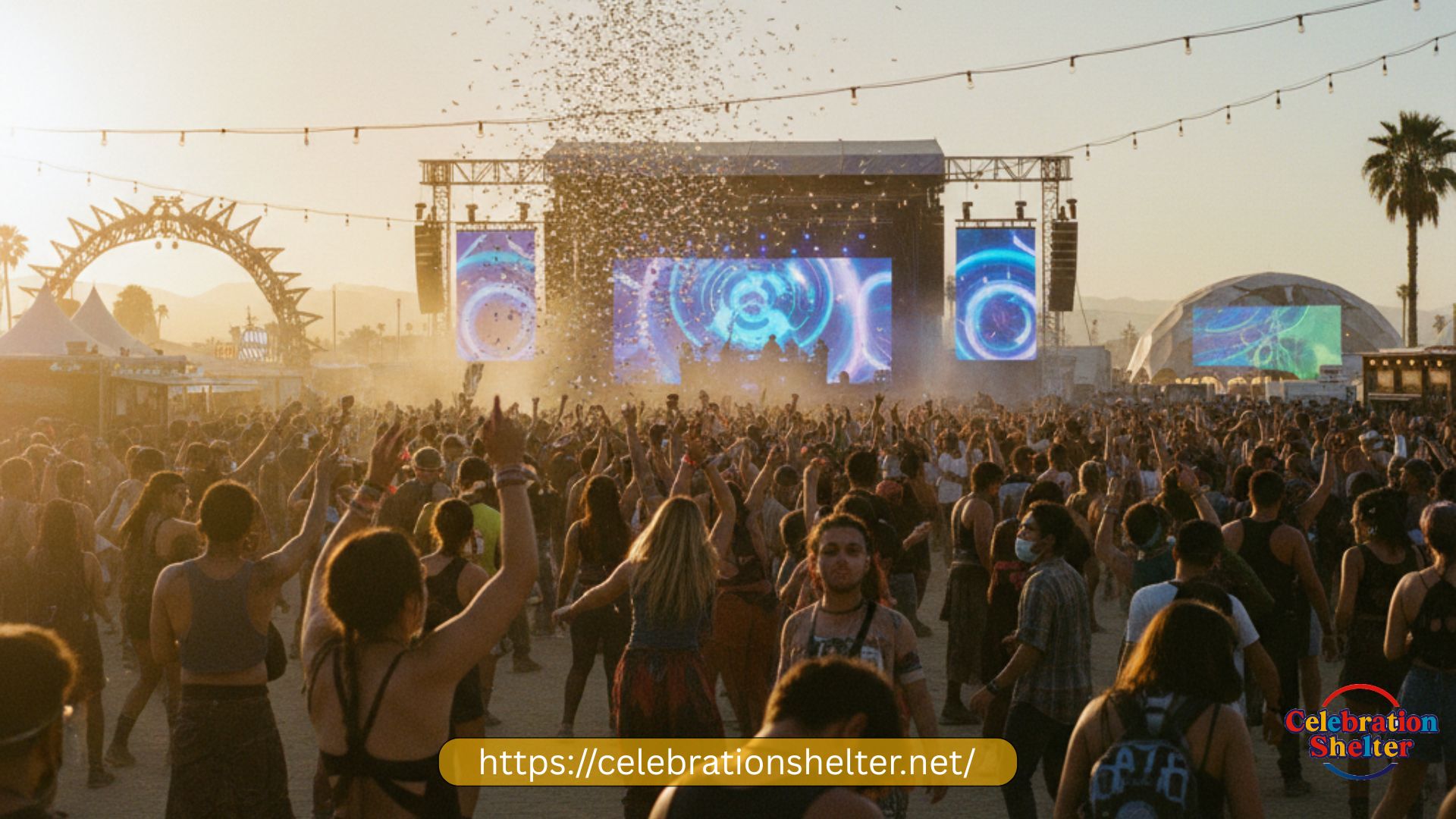
Even with all the tech, in-person events are still in demand. People want to shake hands, read body language, and feel part of a crowd. Virtual tools help, but they can’t replace human connection. Live events offer energy, emotion, and moments that screens can’t fully match.
13. Creativity Driving Innovation
Tough times sparked new ideas. Event pros tried things they never would have before—like drive-in concerts, virtual expos, and mobile event kits. Creativity became a must, not a bonus. This mindset remains, pushing the industry to try bold formats and fresh concepts.
14. Storytelling as a Powerful Tool
Storytelling now plays a bigger role in events. Planners know that personal stories can move people, inspire action, or build trust. Speakers often share real experiences, not just slides and facts. Stories help create a deeper connection between the audience and the message.
15. Business Outcomes at the Forefront
Events now focus more on clear goals. Whether it’s growing a customer base, closing sales, or building a brand, success is measured with real results. Organizers plan with these goals in mind and use tools to track progress. This shift makes every event more purposeful and strategic.
These changes show how far the events industry has come. From safety rules to smarter tech, each shift is shaping a new normal. As organizers look ahead, they’ll keep blending human connection with smart tools to create better, more meaningful experiences.
Final Thoughts
The events industry didn’t just bounce back—it changed for good. From hybrid formats to smarter tech and safer spaces, event planning today looks nothing like it did before 2020. These changes opened doors to better access, deeper engagement, and more meaningful results.
Organizers now work with tools that track impact, reduce waste, and build stronger connections. Whether the event is live, virtual, or both, the goal stays the same: bring people together in a way that works for everyone.
As trends shift, staying flexible and people-focused will keep the industry strong. Events aren’t just back—they’re better.
What are hybrid events?
Hybrid events combine in-person and online experiences. Attendees can choose how they join—at the venue or from anywhere with internet access. This format offers flexibility, better reach, and more ways to connect.
Why are virtual events still popular?
Virtual events save time and money while reaching larger audiences. They’re easy to join and often offer on-demand content. Many people prefer the convenience, especially for business or learning events.
How have health and safety changed event planning?
Health and safety are now built into every part of an event. This includes things like contactless check-in, better airflow, cleaning protocols, and crowd spacing. These steps help attendees feel more comfortable.
Are in-person events coming back?
Yes. While online tools are helpful, people still value face-to-face time. In-person events offer deeper connections, stronger engagement, and more memorable moments that screens can’t fully replace.
What are micro events?
Micro events are small, focused gatherings like local meetups, niche workshops, or private dinners. They’re easier to manage, cost less, and offer more personal interaction.