Ultimate Guide to Beach Music Festivals: Sun, Sand & Songs
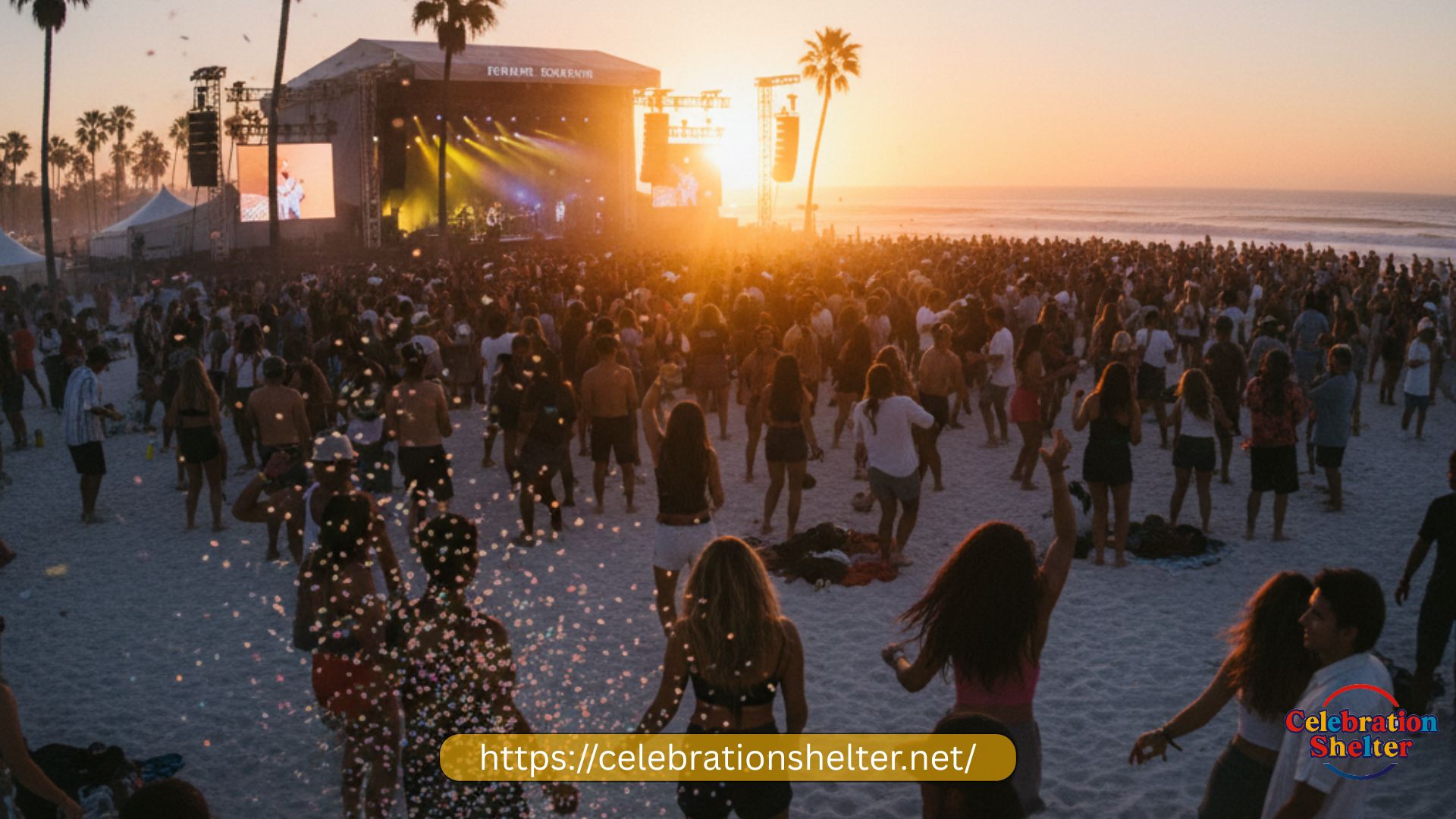
Music, waves, and sunshine come together in one perfect mix at beach music festivals. The sound of drums, guitars, and cheers echoing across the shoreline turns any coast into a celebration of freedom and rhythm. People gather from everywhere, ready to dance with their feet in the sand and smiles in the wind.
Beach festivals capture something timeless. The ocean breeze cools the heat, the crowd sways to the beat, and moments stretch into memories. Whether it’s reggae, indie, or classic rock, these festivals offer more than sound — they deliver a feeling that stays long after the sun dips below the horizon.
This guide covers everything you need to know — from finding tickets to packing your gear. Get ready to step onto the sand, feel the music, and join a crowd that lives for sun, salt, and song.
Essential Key Takeaways for Enjoying Beach Music Festivals
- Plan early. Popular festivals sell out fast.
- Stay hydrated and protect your skin. The beach sun is relentless.
- Choose breathable clothes and water-friendly shoes.
- Bring essentials like sunscreen, hats, and waterproof cases.
- Keep your phone charged — portable chargers are a must.
- Respect the beach and follow safety rules.
- Capture photos, but don’t forget to live in the moment.
Waves of Melody: Discovering Beach Music Festivals
Across the country, beach music festivals celebrate more than music. They celebrate the spirit of summer. From sunrise concerts to all-night DJ sets, each event has its own flavor.
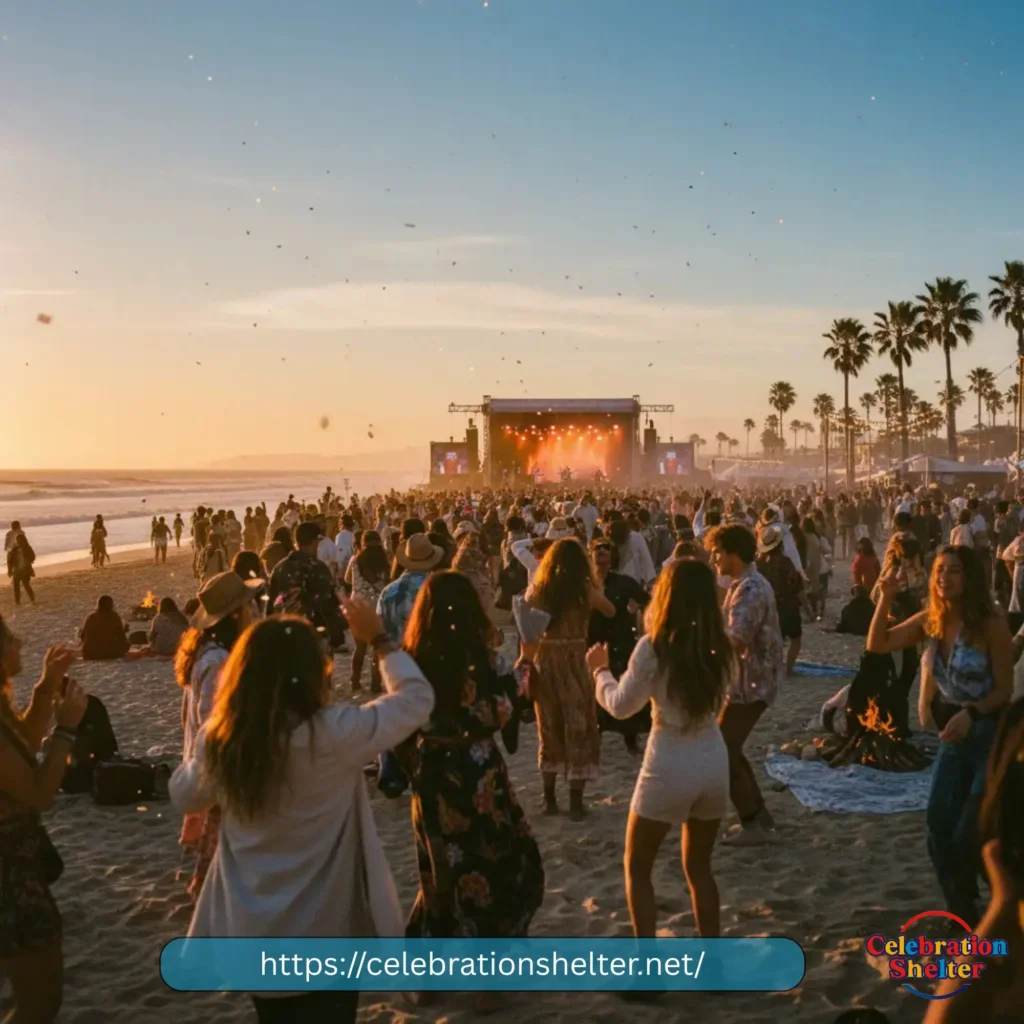
Some of the most well-known include Hangout Music Festival in Alabama, Tortuga Music Festival in Florida, and BeachLife Festival in California. These events feature massive stages built on sand, with ocean waves just a few feet away. Performers range from chart-topping artists to local bands who bring fresh sounds to the shoreline.
The vibe is unlike any other. The audience isn’t confined to seats — they move freely, dancing under open skies. Each wave carries laughter, and every breeze mixes with melody. Whether you love pop, country, reggae, or electronic beats, there’s a beach festival that matches your rhythm.
If you’re new to these events, start with a smaller one. Coastal towns often host weekend festivals where you can ease into the experience without the chaos of large crowds. Once you get the feel, the bigger ones will be easier to navigate.
Tickets to Paradise: Securing Your Spot
Tickets to beach music festivals sell out quickly, especially for headline acts. Signing up for presale notifications can make all the difference. Many festivals offer early-bird rates, which not only save money but also guarantee access to prime spots near the stage.
Check the official festival website first. Avoid third-party resellers unless verified by the event organizers. Ticket scams are common, and fake passes can ruin your plans. Always double-check your email confirmations and keep digital copies ready.
If you’re traveling with friends, group ticket packages often come with discounts. Some events even include accommodation options, combining festival access with hotel or camping stays. Look out for VIP tiers if you prefer extra comfort — they often include private lounges, shorter lines, and exclusive performances.
Remember, festivals by the ocean attract thousands of travelers. Planning ahead not only saves money but also ensures you enjoy the best of both the beach and the music.
Setting the Stage: Festival Highlights
Every beach festival has its own set of signature moments. Some focus on sustainability, featuring solar-powered stages and ocean cleanup programs. Others bring interactive art, light shows, or beach sports between sets.
Hangout Festival, for instance, turns the Gulf Shores into a playground, complete with volleyball courts, hammocks, and Ferris wheels. Tortuga Festival supports marine life conservation, making it both fun and meaningful. BeachLife adds surf culture to the mix, with local food, craft markets, and paddleboard races.
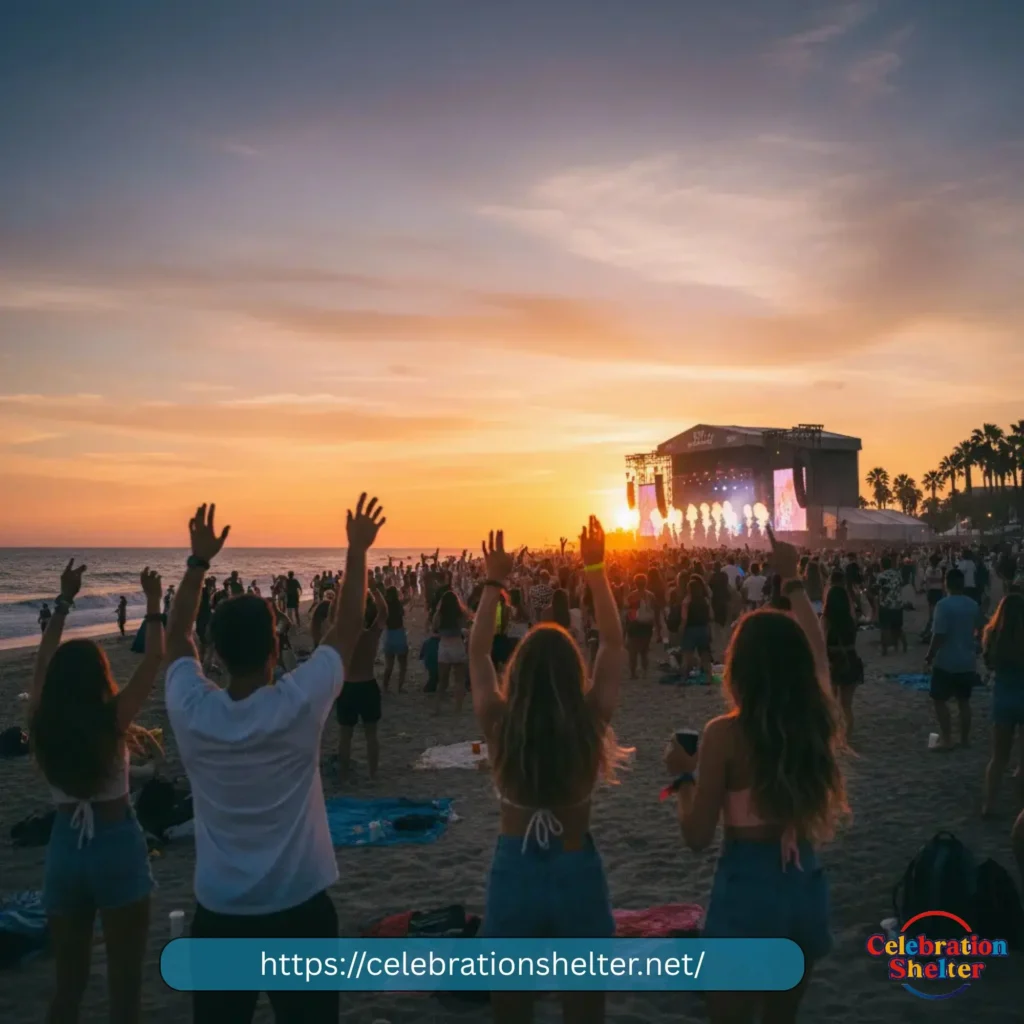
Stage design plays a big part in the experience. As the sun sets, lights reflect off the water, creating an atmosphere that feels alive. Artists often engage with the crowd more personally at these events, given the open layout and relaxed vibe.
Make time to explore beyond the main stage. Smaller beach tents or acoustic lounges often host surprise performances. Those are the moments you’ll remember most — when a new band’s sound drifts over the surf and catches your heart.
Packing for the Boardwalk: Festival Essentials
Packing for a beach music festival takes strategy. Too much stuff weighs you down, but missing essentials can ruin your comfort. Start with the basics:
- Lightweight clothing made of breathable fabrics
- A wide-brimmed hat and UV-blocking sunglasses
- Reef-safe sunscreen and lip balm with SPF
- A reusable water bottle
- Waterproof pouch for your phone and cash
- Portable charger
- Beach blanket or foldable chair
- Snacks that won’t melt in the sun
Leave valuables behind. Saltwater and sand can damage jewelry and electronics. Use a small backpack or crossbody bag that’s easy to carry while dancing or walking between stages.
If the event allows, bring a refillable hydration pack. It saves trips to the water station and keeps you refreshed. Also, check if the venue has shade tents or cooling zones — these spots help you recover from long hours under the sun.
Navigating the Town: Transportation and Accommodations
Getting to a beach festival requires planning, especially if it’s in a coastal town with limited parking. The best strategy is to book accommodations close to the venue early. Hotels, resorts, and vacation rentals fill up months ahead.
Many festivals partner with local transportation companies to offer shuttle services from nearby cities. These options are convenient and reduce the stress of driving or finding parking. If you prefer flexibility, ride-sharing apps usually operate in festival areas but expect surge pricing during peak hours.
For a more adventurous stay, beach camping brings you closest to the action. Waking up to the sound of waves and walking straight to the stage feels magical. However, follow local camping rules and clean up after yourself. The beach community thrives on respect for nature.
If you’re flying in, check airport proximity and transfer options before booking flights. Direct routes save time and make packing simpler since you’ll know what to expect from the weather.
Taste the Ocean Breeze: Food and Drink
Beach festivals know how to feed the crowd. Expect food trucks lined with local favorites like fish tacos, shrimp skewers, and fresh fruit bowls. Many vendors source ingredients locally, so flavors taste as fresh as the sea air.
Most festivals now focus on balanced menus with vegetarian and vegan options. Smoothie stands and coconut water carts keep everyone hydrated while supporting eco-friendly practices with compostable cups and utensils.
Drinks flow easily, but pace yourself. The mix of alcohol, heat, and dancing can dehydrate quickly. Alternate between cocktails and water to stay safe. If you’re a coffee lover, scout for local roasters — many coastal festivals feature beach cafés serving iced brews perfect for a mid-afternoon lift.
Make time to enjoy at least one sunset meal. Nothing compares to eating seafood while music plays and waves crash nearby. That’s the heart of the beach festival spirit — simple joy wrapped in sound and salt.
Capture the Moment: Photo Ops and Memories
Photos are part of the fun, but balance them with presence. Start early in the day when the lighting is soft and crowds are light. Capture wide shots of the stage, close-ups of performers, and candid smiles from your group.
Bring a waterproof phone case or a compact camera. Beaches are unpredictable — one splash can end a session fast. For creative shots, use reflections in sunglasses, shadows on the sand, or silhouettes against the sunset.
Don’t forget to look beyond selfies. Capture details like surfboards stacked by a palm tree, festival wristbands, or the crowd’s glow at night. These small glimpses tell a bigger story when you look back.
Many festivals also set up photo booths or murals painted by local artists. They make perfect backdrops for group pictures and social media posts.
Still, the best memories aren’t always in photos. They live in the laughter, the songs you shouted with strangers, and the calm that comes when the night tide rolls in.
Stay Informed: Safety and Regulations
A great festival experience begins with awareness. Read all event rules before arriving. Many beaches restrict glass containers, large tents, or drones. Knowing these limits helps you avoid delays at entry.
Stay alert for weather changes. Coastal winds can shift quickly. Bring a light rain poncho and keep electronics sealed in plastic bags just in case.
Health stations are usually marked clearly. Take note of their locations early in the day. If you’re attending with friends, set a meeting point in case someone gets lost in the crowd. Cell signals often weaken when thousands gather in one spot.
Respect both the beach and the people around you. Clean up after yourself, recycle whenever possible, and follow staff directions. Beach festivals rely on community cooperation to continue each year.
If swimming is allowed, check local safety flags before entering the water. Lifeguards are there for your protection, but being mindful ensures a worry-free event.
Summary
Beach music festivals bring together the best of both worlds — rhythm and relaxation. From the moment your toes touch the sand to the final encore under the stars, every second hums with energy.
Plan early, pack smart, and stay hydrated. Enjoy the local food, capture the joy, and respect the coast. Each festival offers a unique mix of sound, sun, and connection that can’t be recreated anywhere else.
When the last song fades, the memories stay — woven into the tides and tucked beneath the warm hum of summer nights.
FAQs
What should I wear to a beach music festival?
Wear lightweight and breathable clothes that keep you cool in the sun. Choose water-friendly shoes like sandals or sneakers you don’t mind getting sandy. Add a hat and sunglasses for extra protection.
How do I stay safe in the beach sun during a festival?
Apply sunscreen often, drink plenty of water, and take breaks in shaded areas. Avoid staying in direct sunlight for too long, especially during peak afternoon hours.
Are beach music festivals suitable for beginners?
Yes, they are great for first-timers. Start with smaller festivals to get comfortable, then try larger events once you understand the setup and crowd flow.
Can I bring my own food and drinks to the festival?
Rules vary by event. Many festivals allow sealed water bottles and small snacks, but outside food and alcohol are often restricted. Always check the event guidelines before going.
What are the must-have items to pack for a beach festival?
Bring sunscreen, a reusable water bottle, a portable charger, a waterproof phone case, sunglasses, and a hat. A beach blanket or foldable chair also helps you relax between sets.
How early should I buy tickets for beach music festivals?
Buy tickets as early as possible. Popular festivals sell out fast, especially during presale or early-bird phases. Early booking also helps you save money.
Is camping available at beach music festivals?
Some festivals offer beach or nearby camping options. It gives you a full experience, but you need to follow local rules and bring proper gear for comfort and safety.