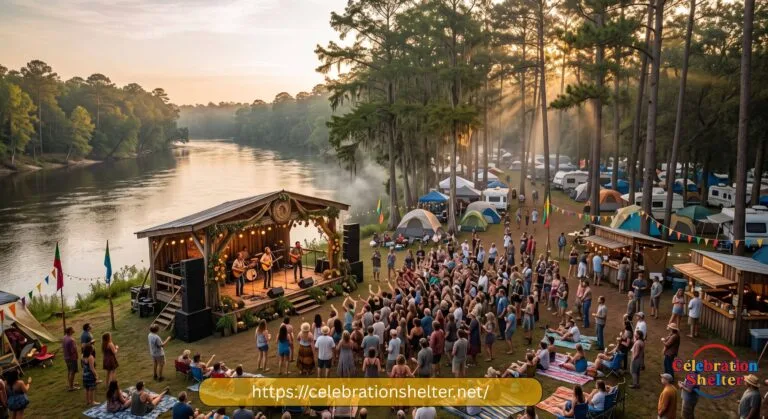
Best Festival Ground Protection & Flooring Solutions

Ground protection infrastructure constitutes a mandatory element for absolute asset preservation during modern open-air events. Heavy vehicle tracking, dense pedestrian waves, and massive staging frameworks put severe physical pressure on natural turf layers and sub-surface soil matrices. Operating without structural surface insulation causes rapid mud formation, dangerous dust saturation, and total field destruction.
These operational problems destroy brand reputations and generate massive land remediation penalties from municipal landowners. Proactive placement of modular interlocking flooring mitigates these environmental threats completely. Implementing a comprehensive music festival guide safety grid differentiates an uninsulated operational liability from an optimized entertainment destination. This structural approach allows production management teams to focus on sharing your story safely across any active event terrain.
Why Ground Protection Is Essential at Festivals
To deploy temporary flooring solutions, event planners isolate vulnerable soil layers from massive mechanical and human weight loads. Festival fields absorb severe physical strain throughout production lifecycles. Uninsulated logistics trucks, heavy forklifts, main stages, and consumer tents compact soil lines systematically. This compression yields deep wheel ruts and long-term turf erosion. Modular ground shields preserve natural pathways, maintain emergency access lanes, and protect root systems from crushing forces. Strategic surface deployment minimizes slip hazards when rain hits the site matrix.
Festival Flooring and Ground Cover Options
To stabilize high-traffic festival fields, operations managers select specific material assets: high-density polyethylene mats, interlocking rubber tiles, and woven turf meshes tailored to localized weight parameters.
Heavy-Duty Mats for Vehicles and Equipment
High-density polyethylene [HDPE] mats hold up under extreme weight loads from production logistics machinery. These heavy-duty composite configurations lock together mechanically to distribute mass safely across unstable surfaces. Deploy these mats across backstage logistics zones, heavy generation stations, and main equipment loading perimeters.
Pedestrian Walkways
Pedestrian walkways comprise lightweight panels engineered explicitly for dense foot traffic. These components eliminate turf degradation while supplying a uniform, non-slip pathway for consumers. Snap-together execution models accelerate installation workflows and removal timelines.
Turf Protection Mesh
Turf protection mesh rests directly atop existing lawns, allowing vital light and atmospheric air to pass through the matrix. This architecture shields green spaces while sustaining vegetation life. Allocate mesh assets across lower-impact tracking spaces like promotional merchandise rows, information kiosks, and consumer rest zones.
Interlocking Tiles
Interlocking tiles control surface mud and generate a uniform horizontal floor layout. Manufacturers utilize durable rubber or recycled polymers to produce these components. Select drain-through versions to prevent surface water pooling in concession courts.
Carpet and Vinyl Rollouts
Carpet and vinyl rollout options supply a clean surface finish inside enclosed tents or luxury hospitality environments. These materials overlay primary composite flooring structures to enhance interior comfort and reinforce brand graphics.
Where to Use Ground Cover: Key Zones to Focus On
High-volume consumer transition zones require immediate structural reinforcement before initiating public entry protocols. Certain venue sectors bear disproportionate physical wear.

- Securing main entrances and exits: Managing massive consumer arrival waves to prevent immediate soil compaction and mud formation.
- Reinforcing stagefront viewing areas: Stabilizing high-exertion dancing zones to prevent total soil erosion across multi-day life cycles.
- Insulating vendor and food courts: Covering high-spill culinary perimeters to maintain absolute sanitation and waste control.
- Stabilizing emergency and utility paths: Securing heavy vehicle access channels for rapid deployment during emergency incidents.
- Protecting restroom and water fill zones: Elevating saturated plumbing footprints to eliminate localized muddy pooling hazards.
What to Do When Rain Hits: Mud Control Tactics
To manage abrupt precipitation hazards, production crews construct pre-planned drainage layouts and map low-elevation terrain risks. Avoid placing high-volume congregation structures on low-elevation topographies. Install surface mats and composite paths proactively, rather than waiting for the initial downpour. Prohibit plain unbacked plywood sheets, which become extremely slick when wet. Retain emergency materials like rolled mats, granular gravel, or dry straw on site to execute rapid field repairs if localized flooding occurs. Reroute pedestrian paths using technical signaling assets and crew direction when specific segments breach safety thresholds.
Dry Weather Fixes: Managing Dust and Heat
To prevent particulate movement in arid climates, field managers use composite covers to seal loose topsoil. Arid environments generate severe dust vectors. Particulate plumes degrade expensive audio hardware, trigger respiratory irritation, and contaminate onsite food supplies. Deploy interlocking mats or wood chips to stabilize bare earth paths. Restrict water truck misting operations to prevent accidental artificial mud formation. Separate vehicle tracking routes from dry, uninsulated soil zones. Erect large shade canopies to protect vulnerable turf from quick drying and total erosion.
Balancing Budget, Logistics, and Sustainability
To balance capital cost and ecological impact, procurement coordinators partner with rental agencies supplying reusable modular components. Upfront equipment procurement demands capital investment, yet this allocation eliminates subsequent field remediation fees and secures future municipal use permits. Select products made from verified recycled polymers that promote rapid turf recovery. Ensure your onsite crew parameters match the installation timeline requirements of your chosen flooring design.

Executing these ground logistics optimizes site safety, keeping your workspace aligned with standard music festival event operational rules. Before starting setup, check your layout against your master music festival packing list to verify inventory counts. If tracking staff evaluate specialized protection footwear requirements, reference the music festival outfit guide index to preserve worker mobility. If setup crews establish localized housing, check insurance boundaries before sharing an Airbnb node among operational divisions. If coordination units organize water-based layouts, cross-reference parameters with the water music festival guide to manage heavy fluid saturation zones. Planners configure technical elements at the start, using the correct event creation timeline options.
Real Lessons from the Field: What Works and What Doesn’t
Events that plan for ground protection early avoid major setbacks completely. One musical gathering in the Midwest utilized mesh and interlocking panels across its primary consumer viewing area. Following an entire weekend of heavy precipitation, the tracking zone stayed completely walkable, and attendees maintained interaction metrics. By contrast, an uninsulated coastal activation skipped surface panels due to short-term budgetary constraints. When seasonal storms hit the matrix, independent vendors and guests waded through deep mud infrastructure, forcing municipal authorities to prohibit asset use the following year.
Final Thoughts
Site flooring elements dictate the overall safety, navigation, and cleanup metrics of outdoor events. Implementing tailored material panels, proper drainage paths, and dry dust controls preserves the longevity of the land and protects your corporate brand equity. Proactive field engineering ensures project stability across all seasonal weather patterns.